
What you need to know
- Google says AI glasses will only succeed if people feel comfortable wearing them, making privacy its top priority.
- Its Intelligent Eyewear will use a reliable recording LED, plus hardware that detects any attempt at tampering.
- Google admits the original Glass was ahead of its time, but says Android XR and Gemini finally fill those gaps.
- Audio-only Android XR glasses launch later this year with Samsung, Warby Parker, and Gentle Monster as partners.
Google believes its Android XR-powered AI glasses won't take off until they earn users' trust, which is why the company says it's putting privacy ahead of everything else.
Samsung has already confirmed that its first Android XR-powered smart glasses are arriving later this year, and ahead of their launch, Google has shared more about its vision for "Intelligent Eyewear" and what it believes will ultimately determine whether AI glasses succeed or fail.
In an exclusive interview with Tom's Guide, Google's XR product management lead, Juston Payne, said the biggest hurdle isn't the technology itself, but convincing people they'll actually feel comfortable wearing smart glasses in public.

Payne put it plainly, saying that if people don't feel comfortable wearing the glasses, and privacy is a big part of that, they simply won't wear them at all.
We all recently saw how Meta had to push out a mandatory software update to make sure the camera on its Ray-Ban Meta and first-party AI glasses gets disabled the moment someone tampers with it or covers the LED. It seems Google wants to avoid making that mistake from the outset with Android XR.
Google has revealed that its Intelligent Eyewear will signal to people nearby when they're being recorded, and that the LED indicator will be reliable. Payne added that the company is also investing in hardware that can detect if someone attempts to tamper with the device, though he stopped short of explaining exactly how those protections work.
The company also plans to lean on Android's existing permission framework alongside additional security measures already found on Android phones.
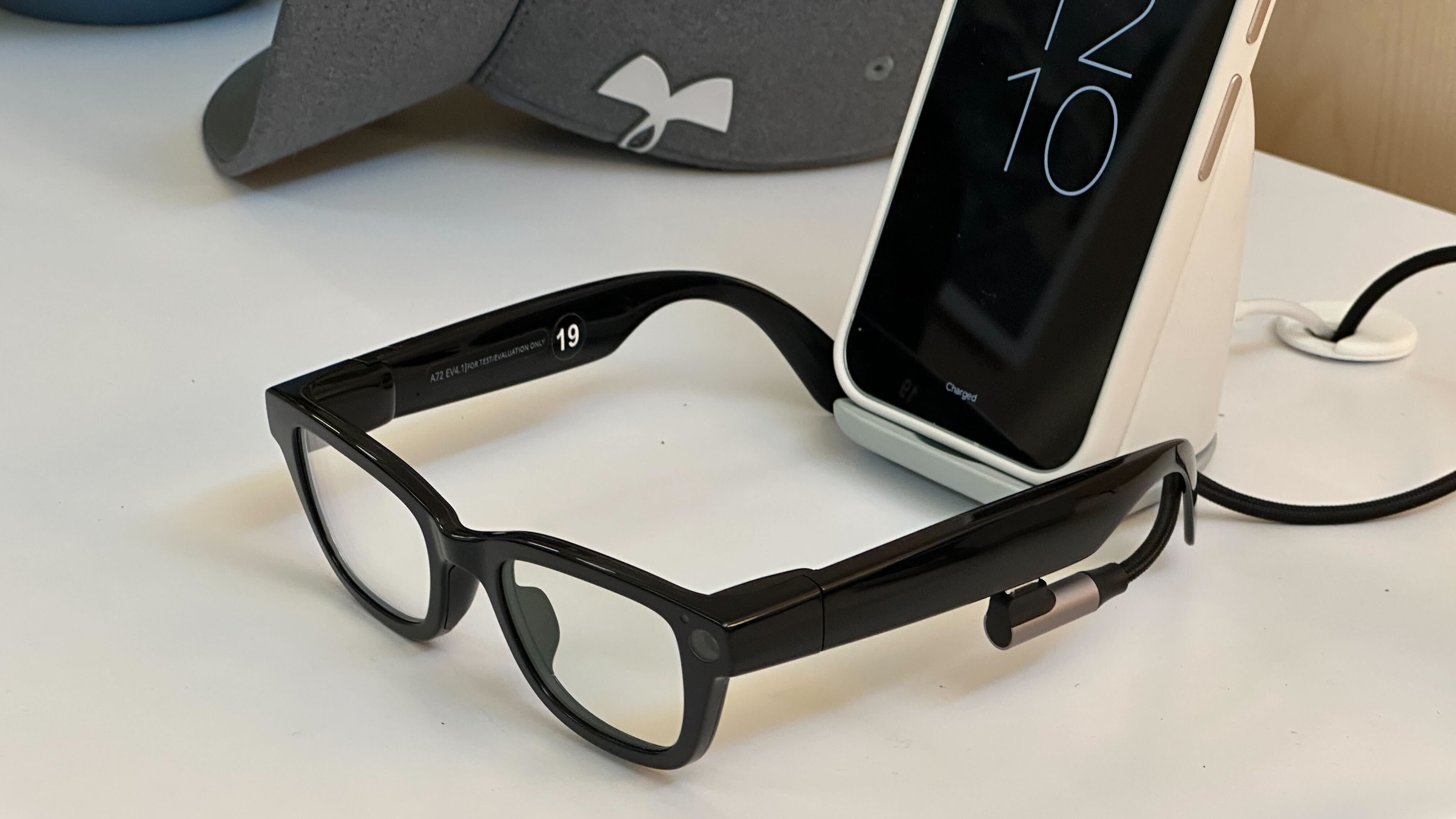
Payne also shared how Google learned several lessons from the original Google Glass, admitting the product was simply ahead of its time.
According to him, the hardware wasn't ready, and AI wasn't capable enough to deliver the experience Google had envisioned. This time, with Android XR and Gemini, Google believes those missing pieces are finally in place, giving its latest attempt at smart glasses a much stronger foundation.
The executive also revealed that Google is putting design front and center. He said the company wants its smart glasses to look and feel like regular eyewear rather than a gadget, believing people are far more likely to wear them if they don't stand out.
The first set of audio-only Android XR glasses is set to launch later this year in partnership with Samsung, Warby Parker, and Gentle Monster. Display glasses haven't been revealed yet, though Payne did confirm that Google will kick off a trusted tester program for display-based Android XR glasses later this year.