
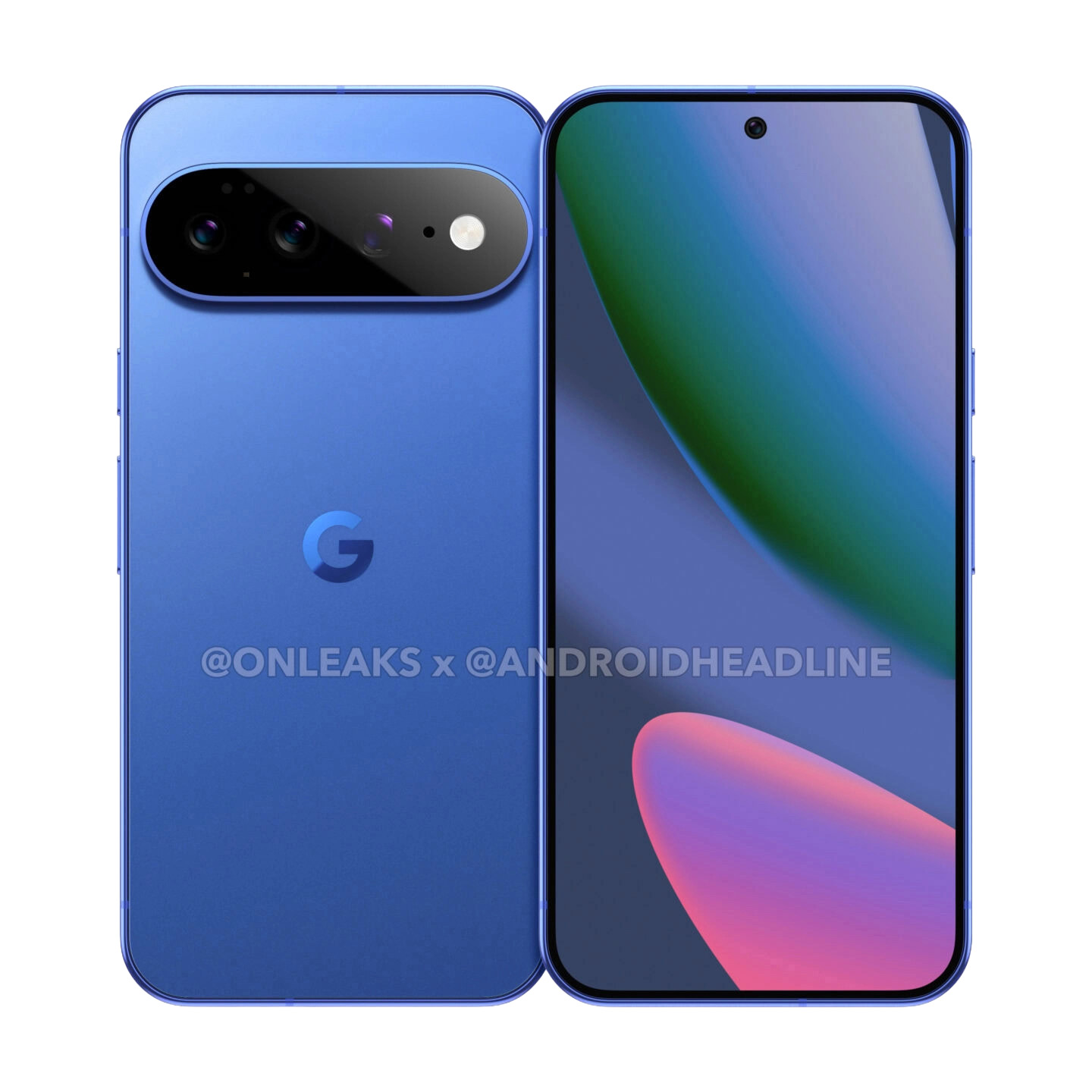
The best phone for parents
Google has been on the cutting edge of AI features for a very long time (long before the buzzwords of today), and the Pixel 11 Pro XL will be the culmination of the company's decades of experience, including a famed camera experience that captures even those hard-to-photograph kids and pets.
Pros
- Seven years of OS updates
- Great, exclusive Google Pixel features
- Built-in Qi2 wireless charging
- Pixelsnap MagSafe magnet support.
- Renowned Pixel camera quality.
Cons
- Historically worse performance than Samsung
- Historically worse video recording quality than Samsung
- Fewer extra features
- Low PWM rate
- Pixels have a history of being buggy
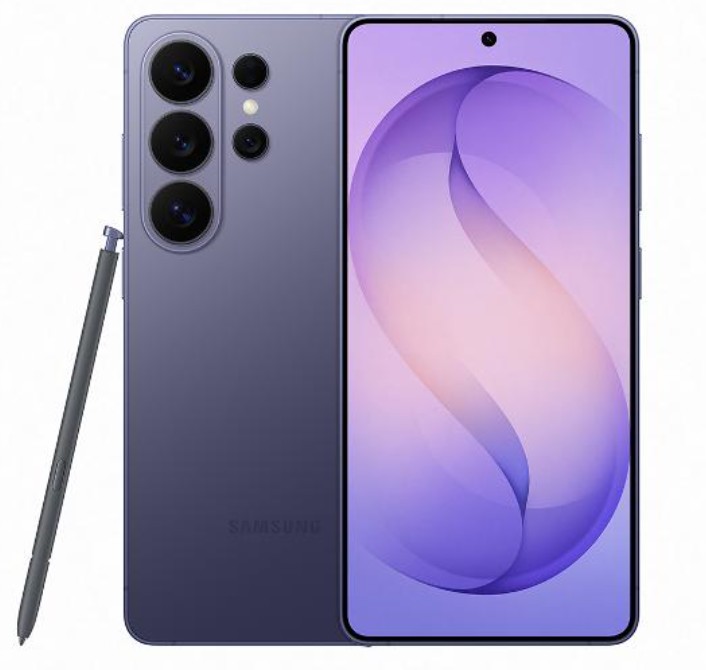
The best flagship for privacy
Samsung already delivered one of the most well-rounded flagship phones in the industry, and the Galaxy S26 Ultra leans heavily into the privacy angle with a new Privacy Display and local AI processing options. If you're looking to keep your data off the cloud as much as possible and keep prying eyes from seeing the screen, this is an excellent choice.
Pros
- Privacy Display is an amazing achievement
- Local processing options for AI features
- Top-tier performance
- Excellent integration with other Samsung products
- Seven years of software updates
- One UI is the best Android skin
Cons
- Privacy Display can cause discomfort
- Low PWM rate
- Some annoying design quirks
- Ultrawide and 3x telephoto cameras are underwhelming
- S Pen design is poor and lacks Bluetooth
Samsung debuted its latest flagship, the Galaxy S26 Ultra, back in March, and it's been a real hit. The company saw a huge uptick in preorder demand thanks to the Ultra's new Privacy Display and other great features.
But Google's latest releases are right around the corner, with the Pixel 11 family debuting on August 12. The Pixel 11 Pro XL is rumored to bring notable improvements in processing speed and power efficiency, plus a fun design addition that incorporates LEDs into the camera bar on the back. Here's how to choose between them.
Google Pixel 11 Pro XL vs. Samsung Galaxy S26 Ultra: Design
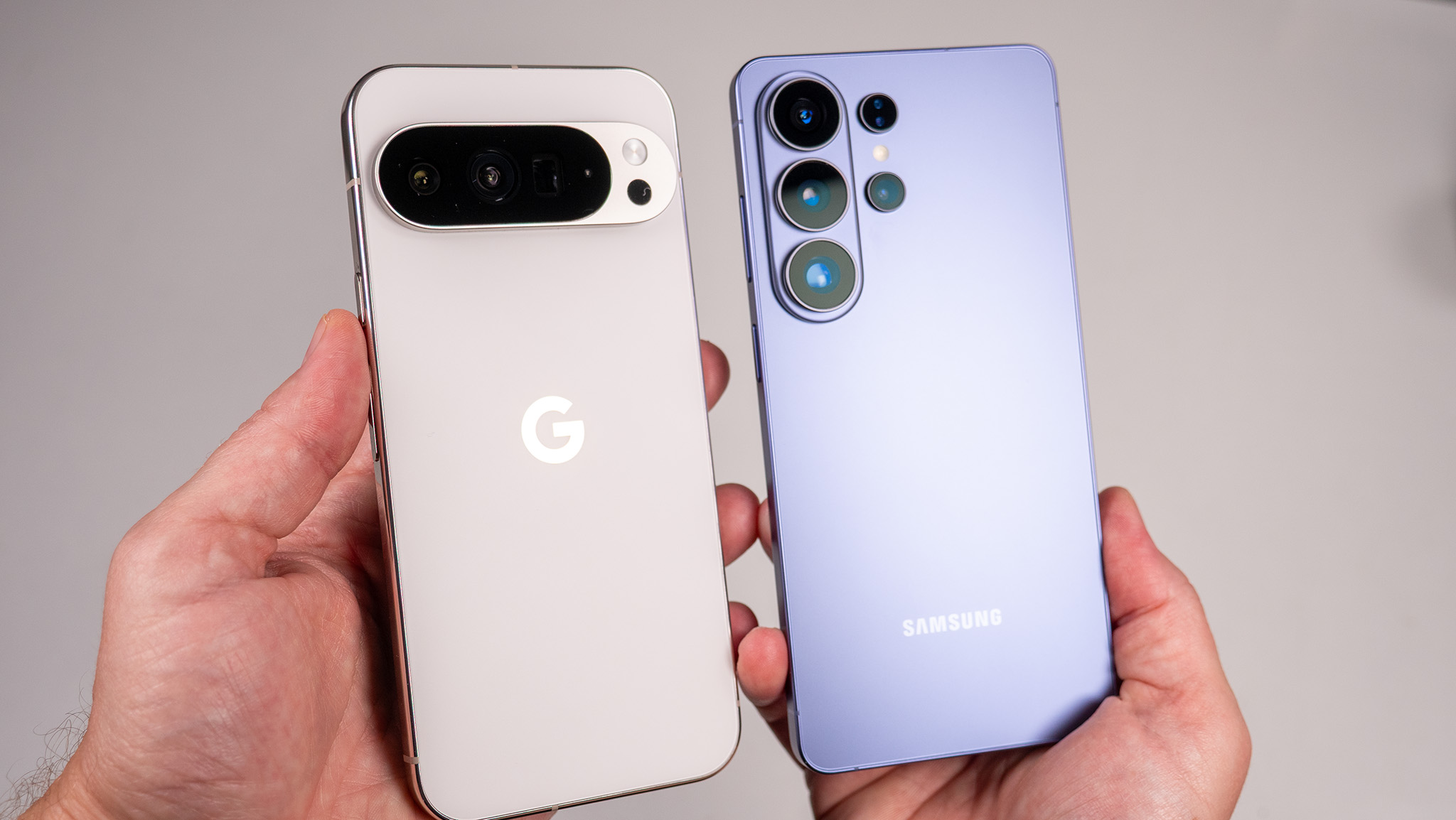
For this comparison, I'm going to use the Pixel 10 Pro XL since we're not expecting any major size or design changes from Google's Pixel 11 Pro XL.
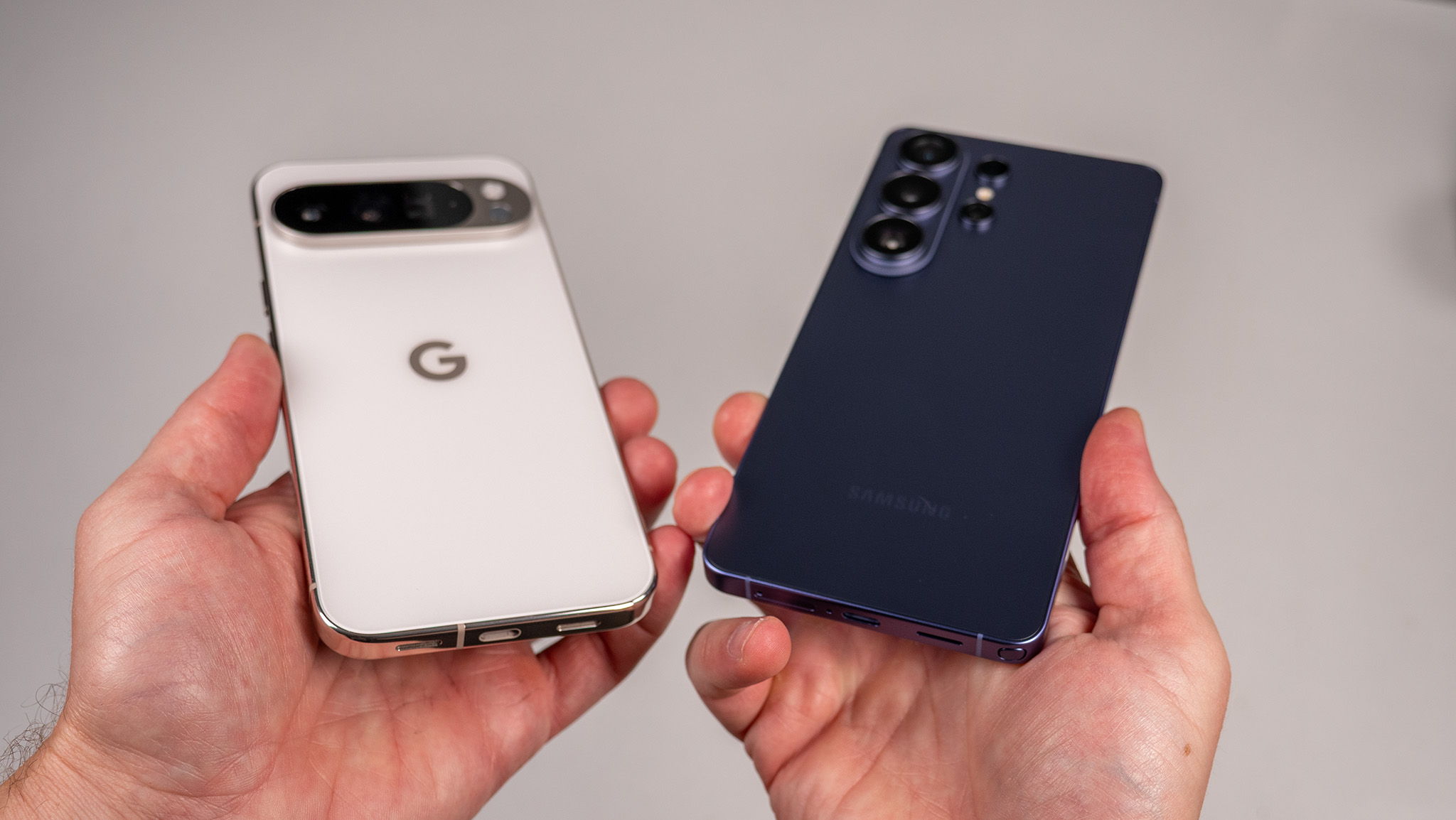
Both the Pixel and Galaxy S lines feature flat sides and fully flat glass on the front and back surfaces. Google uses more rounded corners and edges on its phones, making them more comfortable to hold without a case.
Pixels also use a horizontal camera bar, which provides a better balance and prevents the device from wobbling when placed on a table. Most cases aren't thick enough to fix the Galaxy S26 Ultra's annoyingly off-balance design.
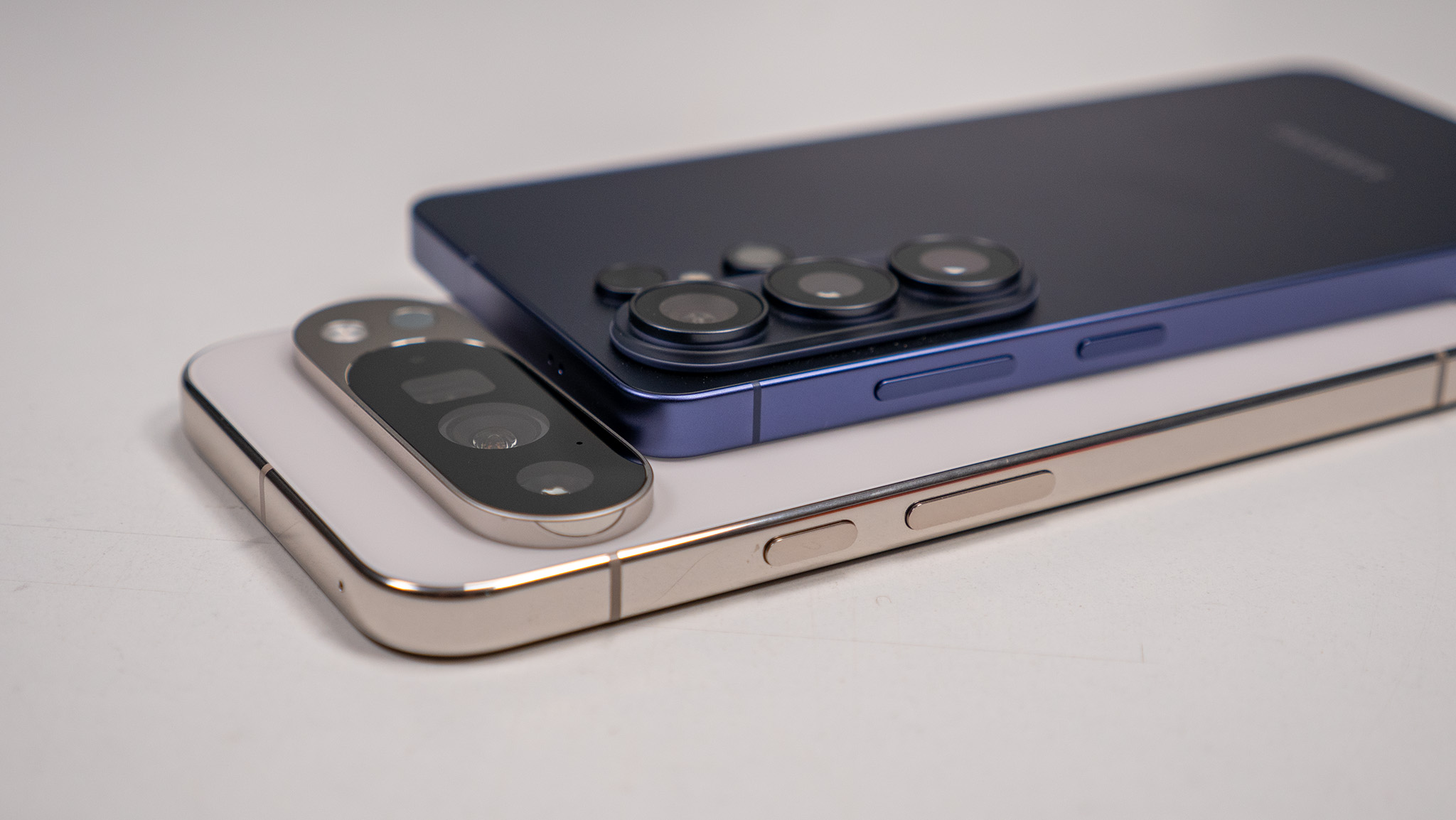
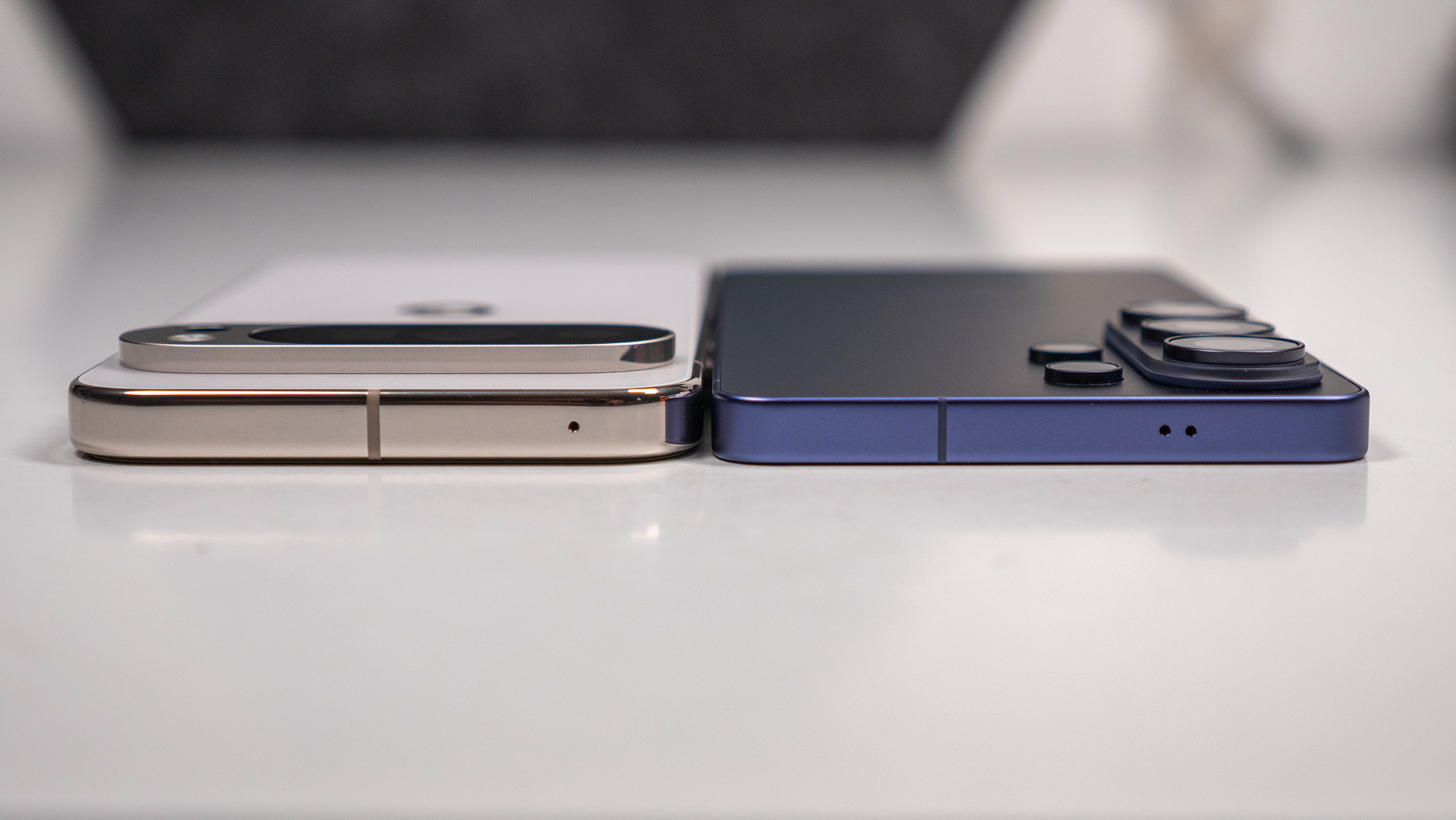
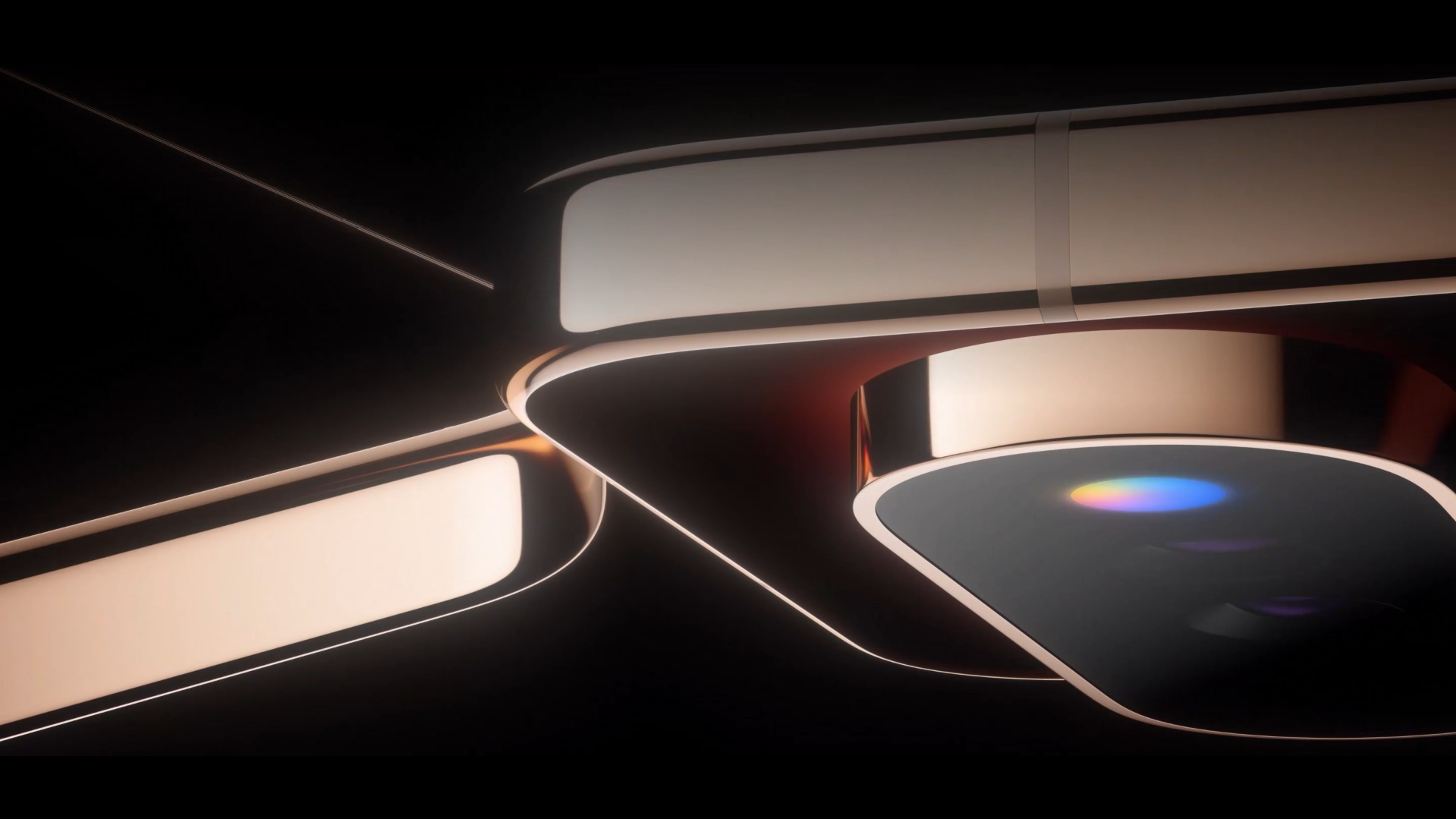
We're expecting the Pixel 11 Pro XL to add a new Pixel Glow LED in the camera bar, which will light up when you talk to Gemini or display an array of colors. Pixels also feature Pixelsnap, which are built-in magnets that work with MagSafe accessories. If you want this functionality on a Galaxy S26 Ultra, you'll need to get one of the best cases for the Galaxy S26 Ultra.
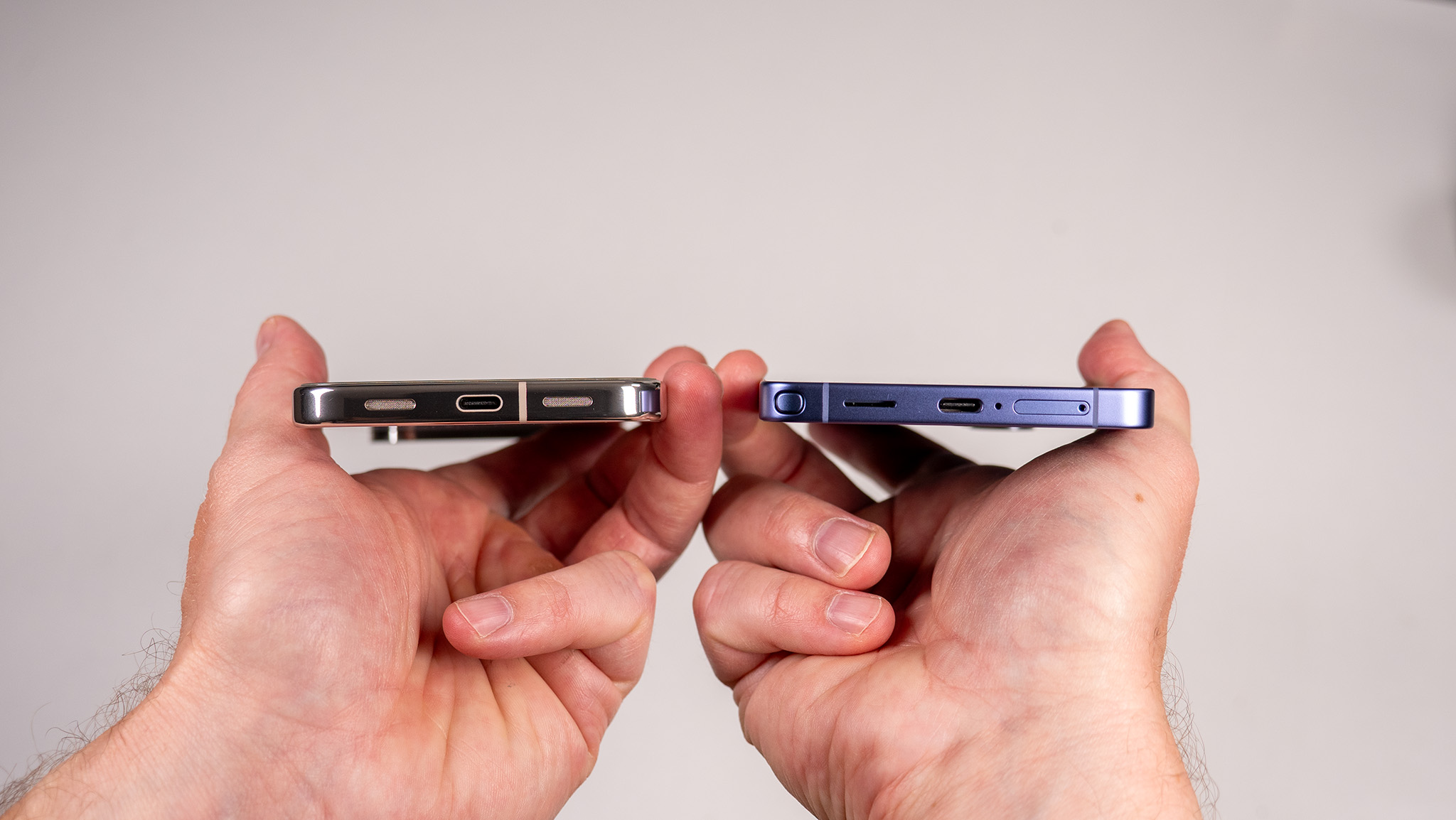
But Samsung's S Pen might be a more useful feature for folks who love to take handwritten notes. While the Galaxy S26 Ultra's S Pen lacks the cool Bluetooth features of previous Galaxy S Ultra S Pens, it's still a handy tool for precision input.
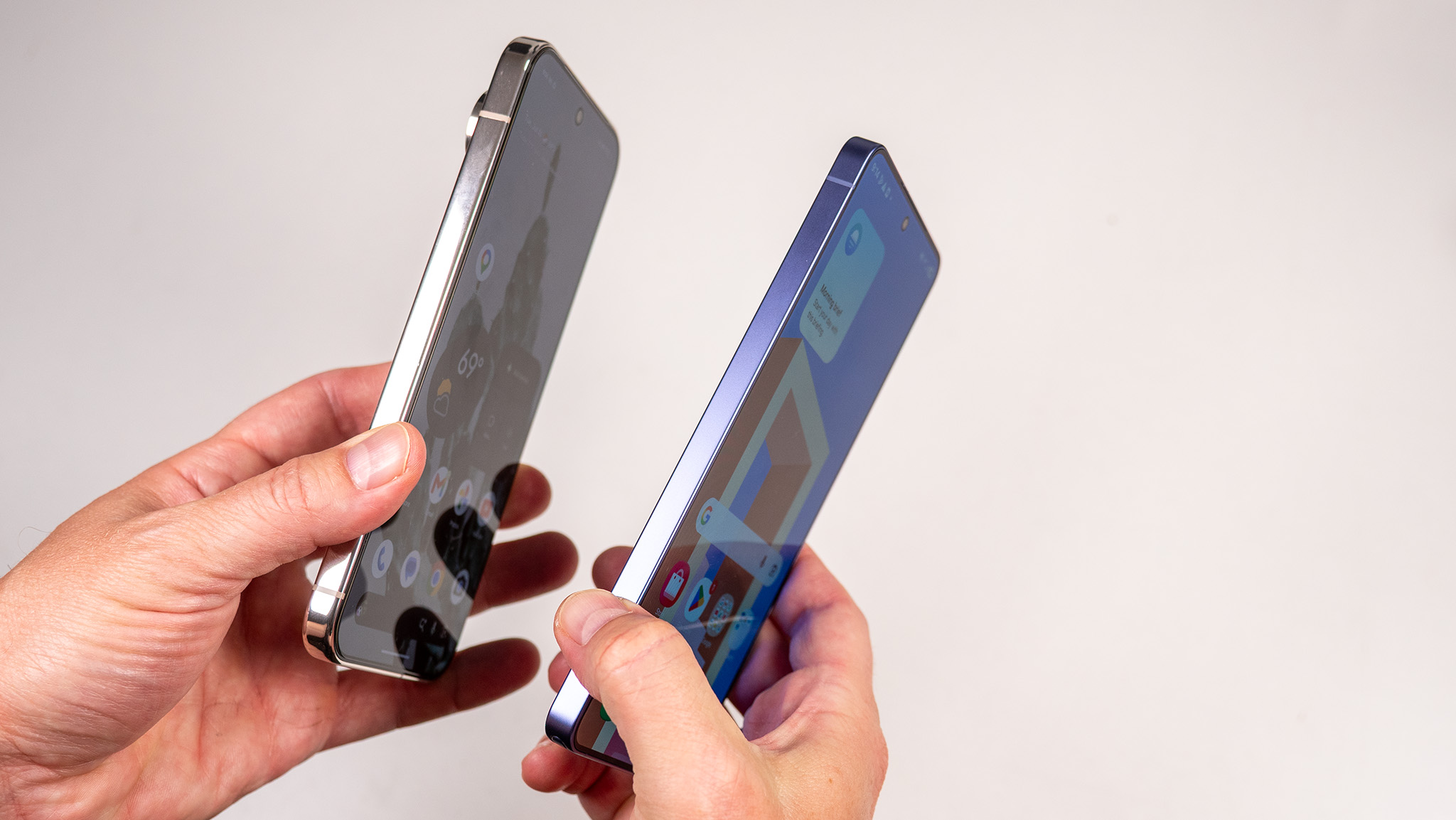
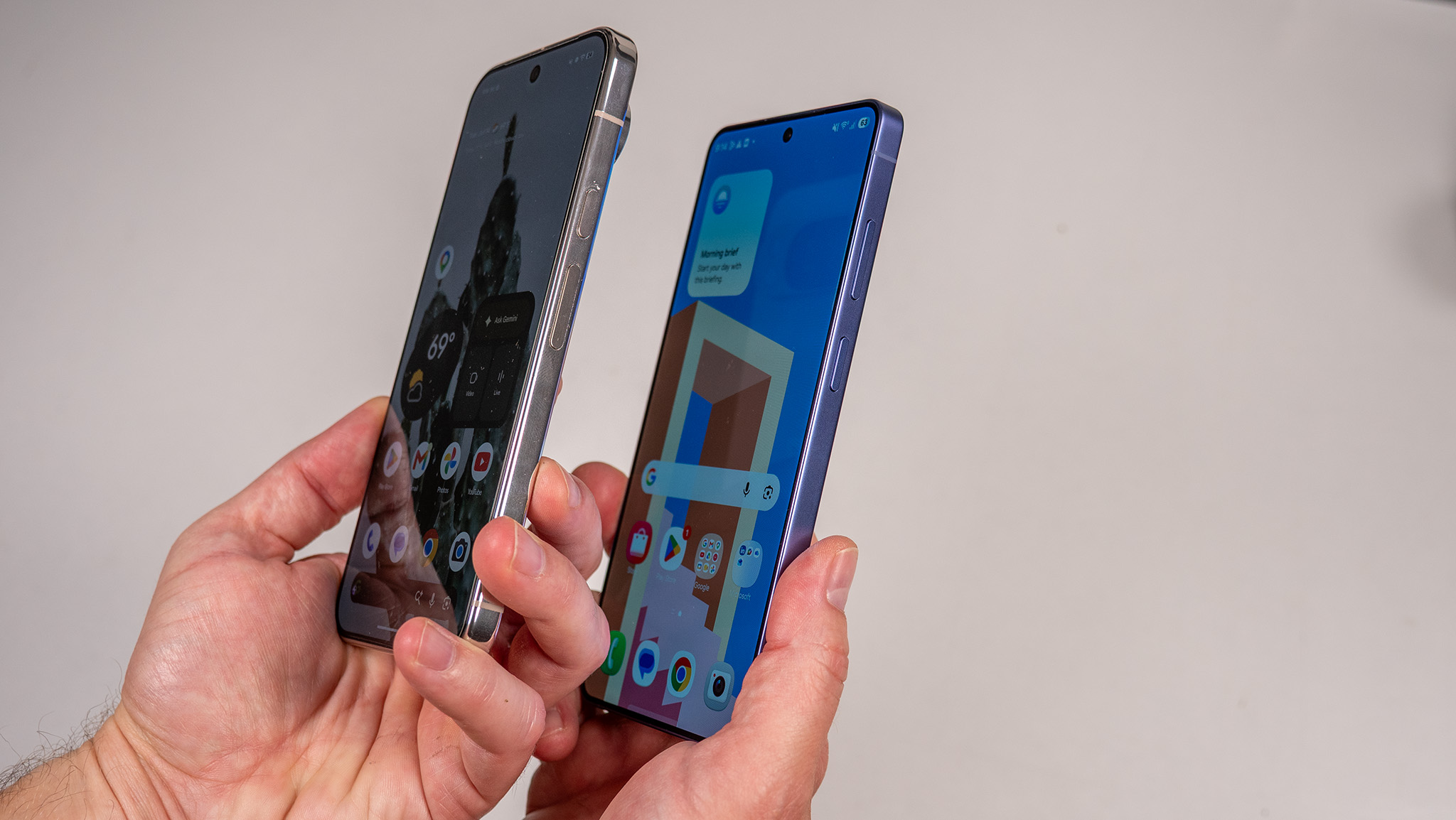
The Galaxy S26 Ultra has the new Privacy Display, which makes it difficult for people to view your screen at an angle. Privacy Display is one of the coolest display innovations we've seen in years, but it comes with some significant drawbacks. The Galaxy S26 Ultra's screen doesn't look as crisp as the Pixel 10 Pro XL's, and it also sports lower brightness and a chromatic aberration-like effect.
Pixel 11 Pro XL users can achieve a similar effect by using a privacy-tempered glass protector on their phones, like this one for the Pixel 10 Pro XL, but Samsung's built-in privacy function lets you dim specific types of content on-screen. A tempered glass protector will dim the whole thing at an angle.
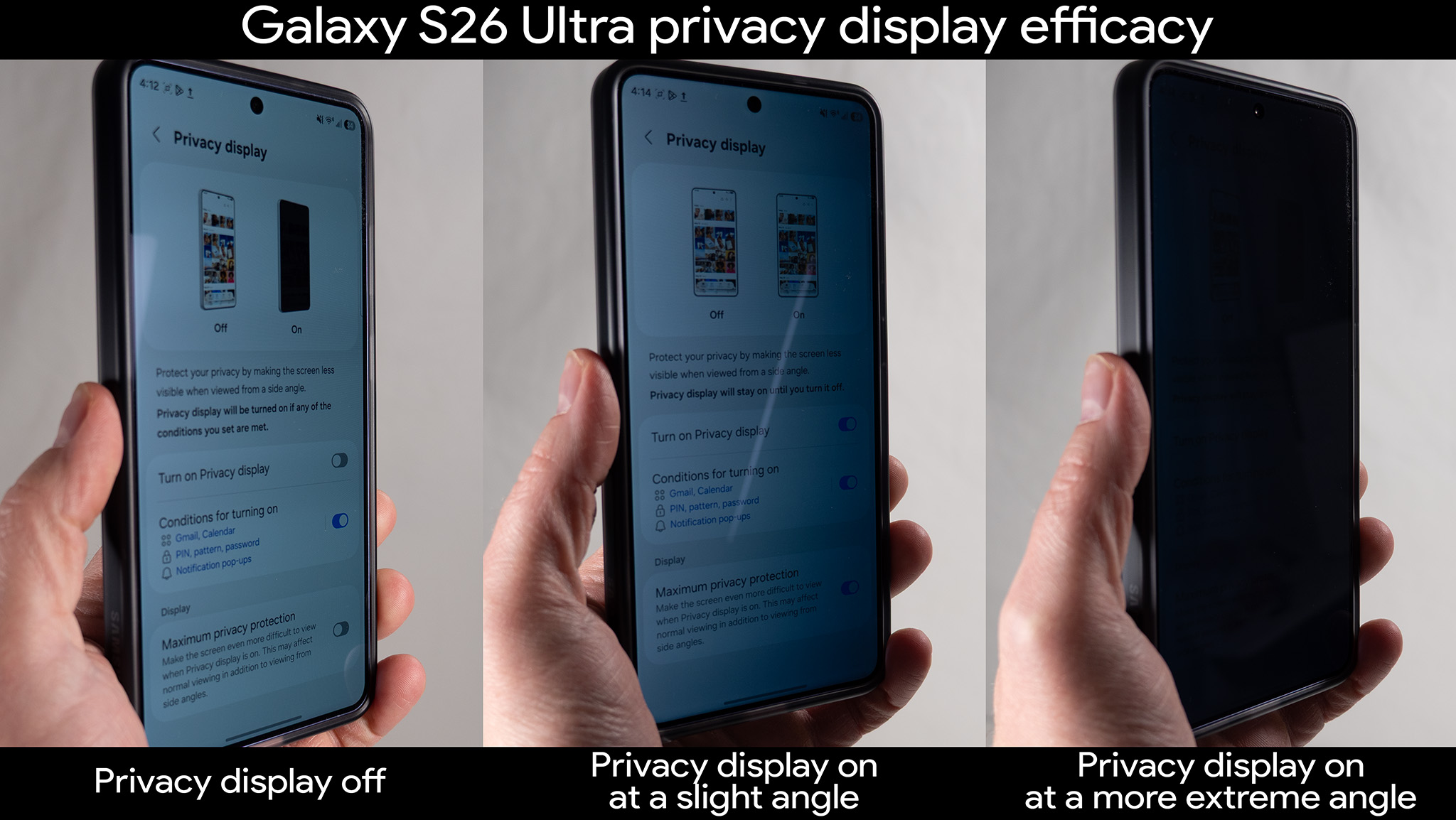
Neither of these phones' displays is suitable for people with PWM sensitivity since they use very slow dimming rates. Samsung's Privacy Display also seems to cause headaches and discomfort in a different group of people. These problems don't affect everyone, but they make the phones unusable for people who are affected.
Google Pixel 11 Pro XL vs. Samsung Galaxy S26 Ultra: Battery life, performance, and specs
Both phones are expected to feature the same 5,000mAh battery cell, and with the more efficient Tensor G6 and the new MediaTek modem inside the Pixel 11 Pro XL, the Pixel may actually match the Galaxy S26 Ultra's battery life.
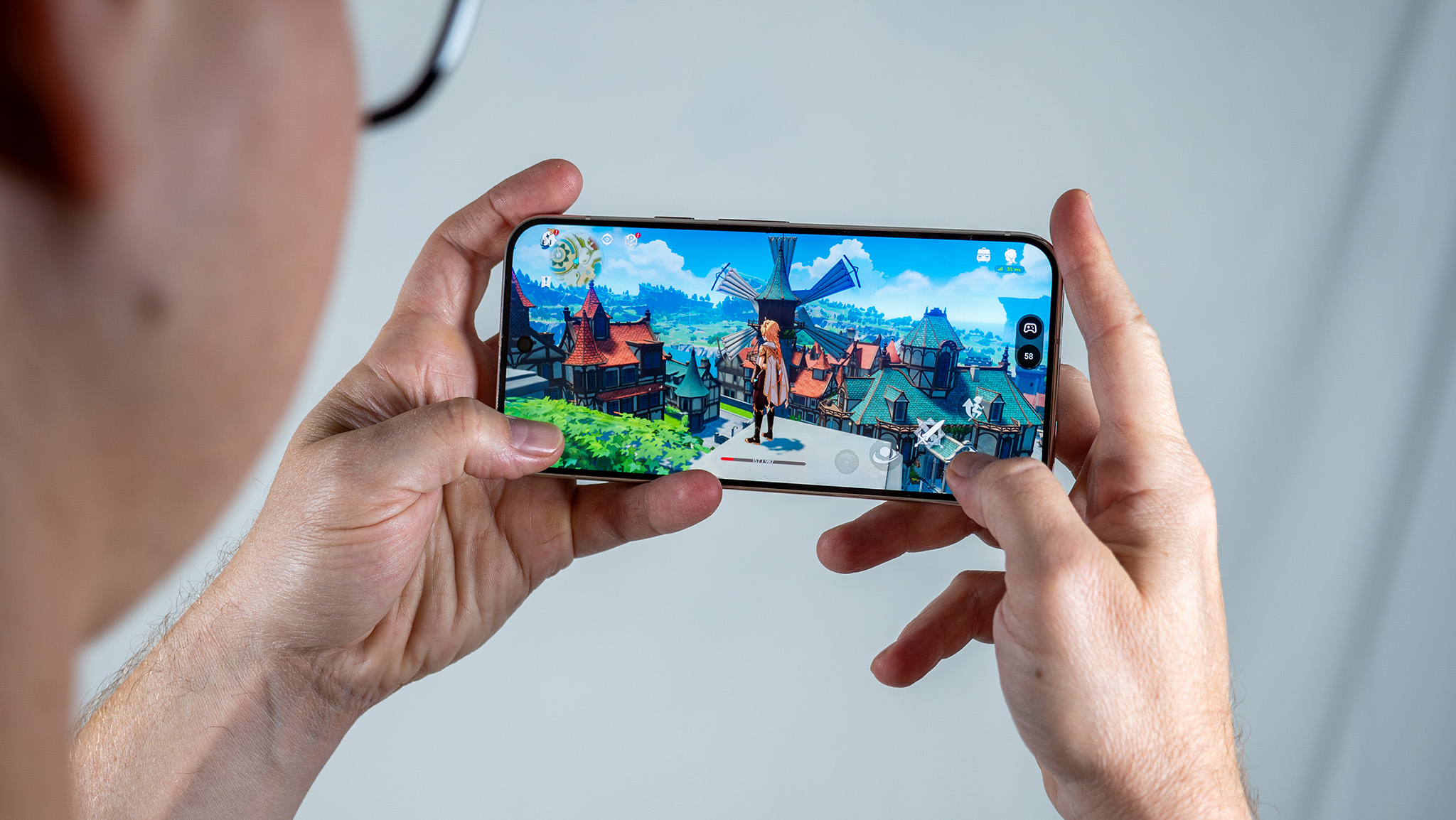
Samsung improved charging speed on the Galaxy S26 Ultra, but we haven't seen any rumors of charging upgrades on the Pixel 11 Pro XL. Likewise, the Pixel is still expected to use a slower chipset than the Galaxy S26 Ultra, making it a poorer choice for mobile gaming.
Category | Samsung Galaxy S26 Ultra | Google Pixel 11 Pro XL (rumored) |
|---|---|---|
Display | 6.9-inch QHD+ AMOLED, 120Hz | 6.8-inch Super Actua QHD+ OLED, 120Hz |
Processor | Qualcomm Snapdragon 8 Elite Gen 5 for Galaxy | Tensor G6 |
RAM | 12GB / 16GB | 12GB / 16GB |
Storage | 256GB / 512GB / 1TB | 256GB / 512GB / 1TB |
Rear Camera 1 | 200 MP, f/1.4,(wide) | 50 MP, f/1.7, 25mm (wide) |
Rear Camera 2 | 50 MP, f/1.9 (ultrawide) | 48 MP, f/1.7 (ultrawide) |
Rear Camera 3 | 10 MP, f/2.4, 3x (telephoto) | N/A |
Rear Camera 4 | 50 MP, f/2.9, 5x (periscope telephoto) | 48 MP, f/2.8, 5x (periscope telephoto) |
Front Camera | 12 MP, f/2.2 | 42 MP, f/2.2 |
Ingress Protection | IP68 | IP68 |
Connectivity | 5G (sub-6GHz, mmWave), Wi-Fi 7, UWB, Bluetooth 6.0 | 5G (sub-6GHz, mmWave), Wi-Fi 7, UWB, Bluetooth 6.0, eSIM only (in U.S.) |
Battery | 5,000mAh | 5,000mAh |
Charging | 60W wired, 25W wireless | 45W wired, 25W wireless Qi2 |
Dimensions | 163.6 x 78.1 x 7.9 mm | TBA |
Weight | 214 grams | TBA |
OS | One UI 8.5 w/ Android 16 | Android 17 |
Google Pixel 11 Pro XL vs. Samsung Galaxy S26 Ultra: Camera and software
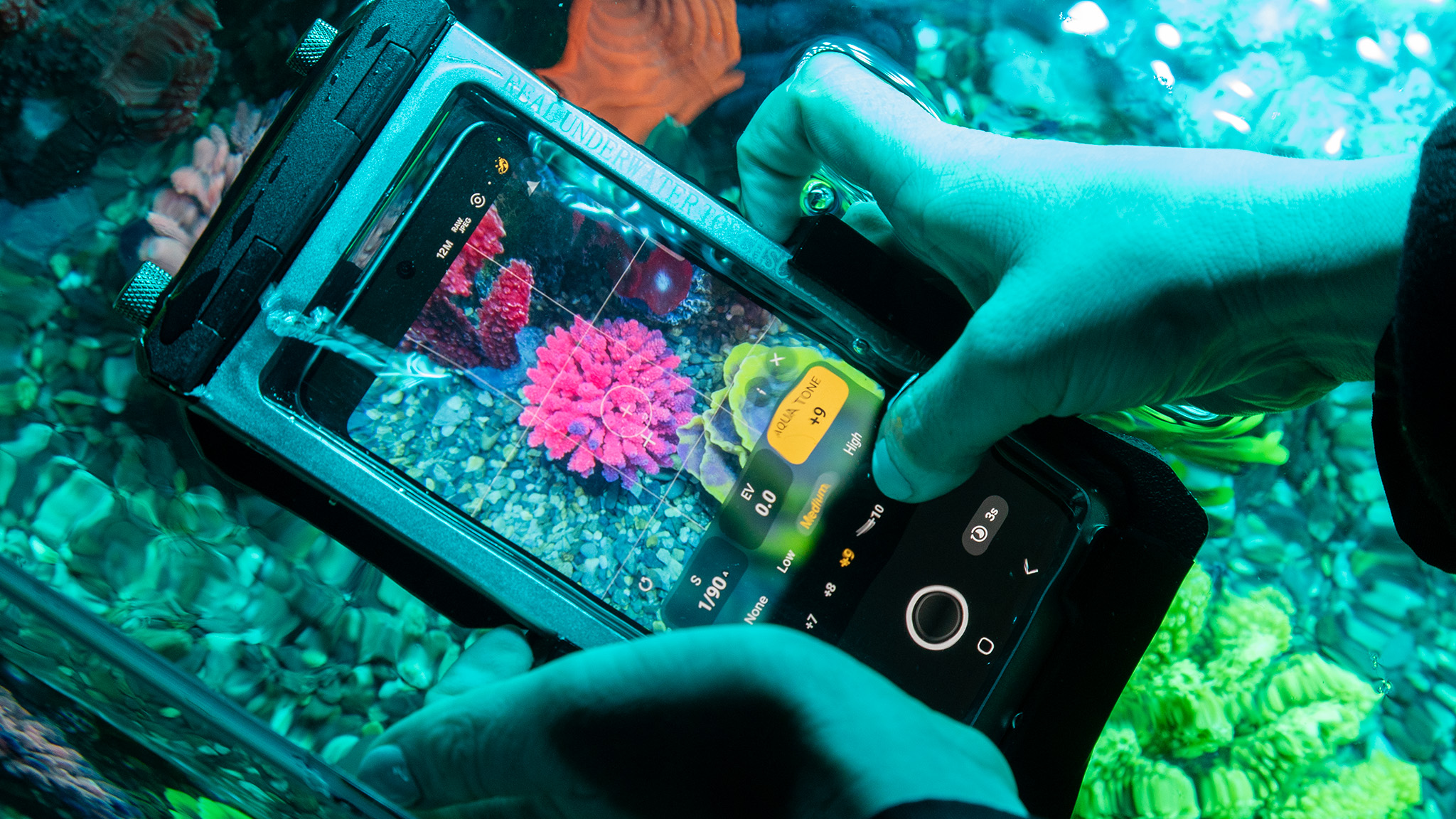
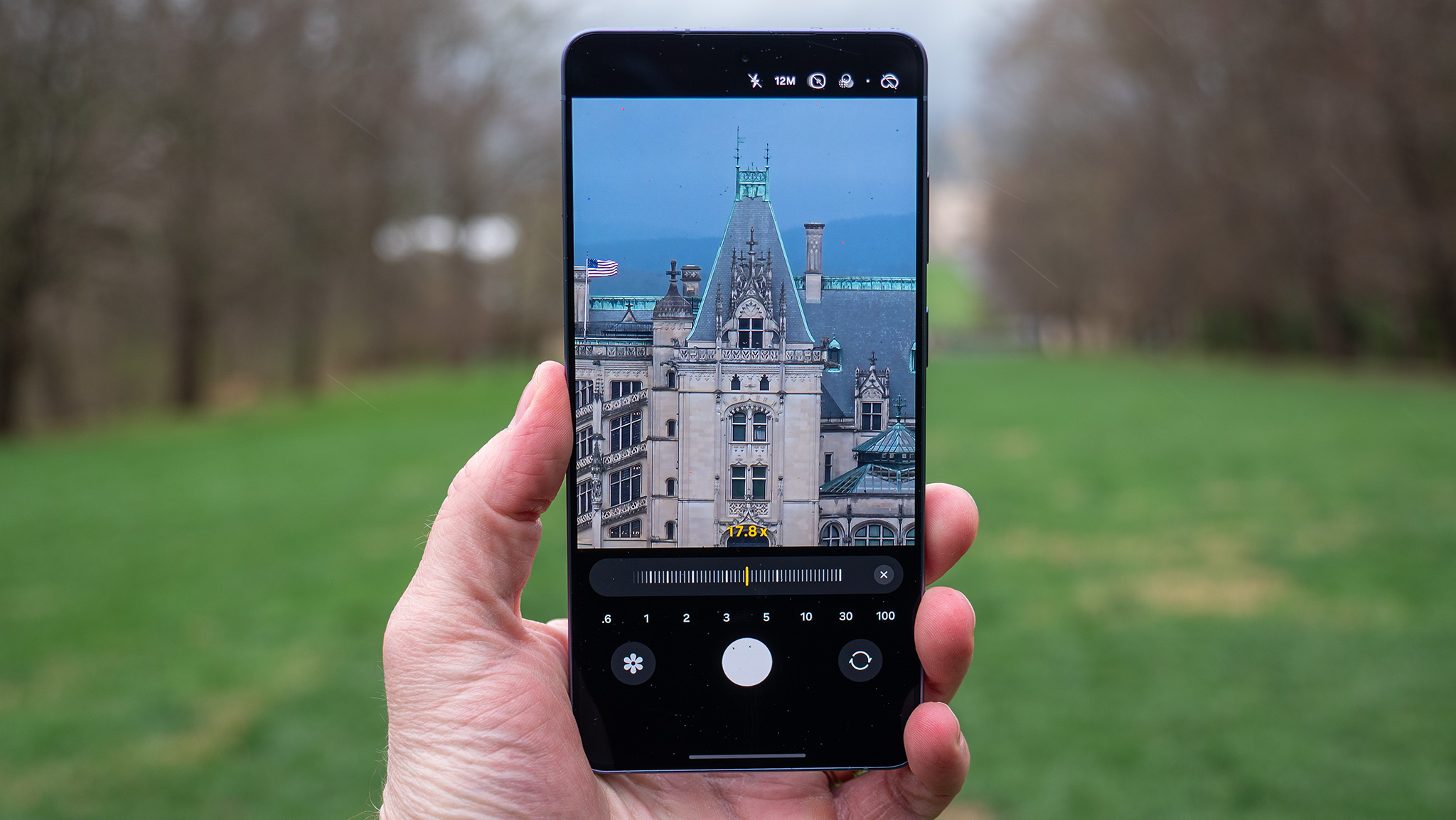
Last year, my Pixel 10 camera review showed how close Samsung was getting to Google's historically superior camera experience, but this year could be anyone's game. In my Galaxy S26 Ultra camera review, I found that the phone's ultrawide camera and portrait modes left a bit to be desired, and this is an area where Google may once again overtake Samsung.
While I expect the Pixel 11 Pro XL to take a slight lead in photo quality over the Galaxy S26 Ultra, Samsung has historically offered better video recording quality.
If one thing is clear, Google is behind Samsung's software quality. Samsung's One UI is not only the most full-featured Android skin on the market, but it's also one of the best-supported and often most bug-free.
Google packs Pixel phones with cool features like Magic Cue and call screening, but Samsung offers most of them. Google often adds new features via quarterly Pixel Drops but doesn't always keep them around for long, and new experimental features cause big problems more often than we'd like.
Additionally, you can choose to limit AI processing on the Galaxy S26 Ultra to local-only processing (and off the cloud), while the Pixel offers no such option.
Google Pixel 11 Pro XL vs. Samsung Galaxy S26 Ultra: Which should you buy?
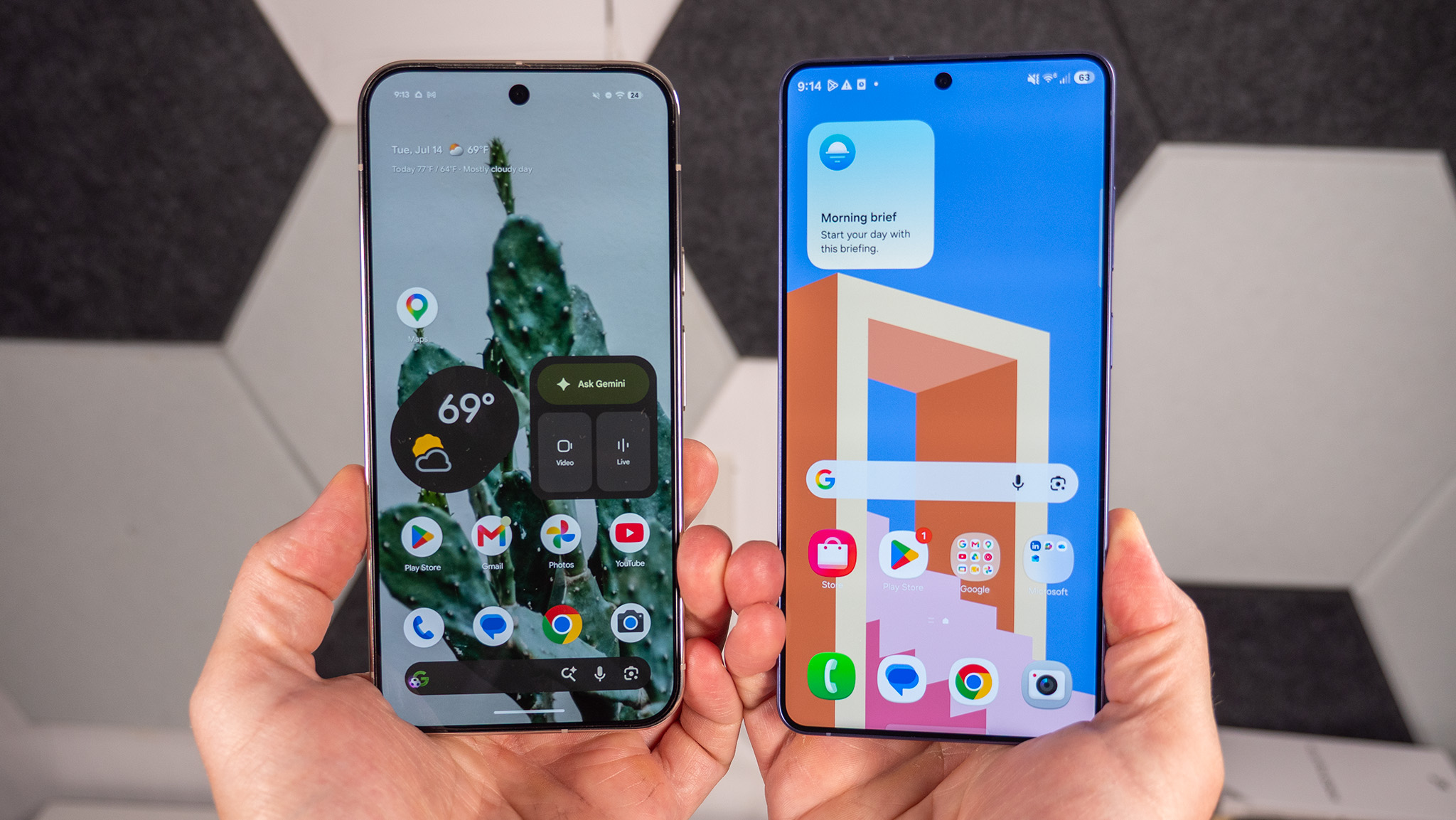
For most people, the Samsung Galaxy S26 Ultra is likely the better buy, since you're getting the best from both Google and Samsung in one premium phone. That said, the Pixel 11's August 12 announcement will settle the argument, and we'll see if users prefer the S Pen or this mysterious Pixel Glow. Barring a huge surprise that hasn't been leaked yet, I'm confident Samsung's best will still be the champ between these two choices.