
There's no doubt that people buying electronics in 2026 will face sticker shock. Consoles, phones, and components are substantially more expensive than they were even a year ago, and the pain in the wallet isn't ending any time soon. That is, of course, unless you're in the market for a new pair of smart display glasses.
X by Xreal (XBX) is a new offering from the world's biggest wearable display manufacturer, and at just $299, it's ironically the antithesis of the $849 Xreal Asus ROG R1 glasses I just reviewed. These are smaller, lighter, and more eye-friendly than anything in the segment to date, and they offer a compelling reason to choose XBX over another more expensive pair of smart display glasses this year.
Smart display glasses like XBX are designed to plug into an existing device and give you a giant, brilliant virtual display to ease neck pain and make portable gaming or productivity the best it can be. These won't work with a Switch 2 since that requires a special adapter (that's not compatible with XBX yet), but essentially anything else that outputs video via a USB-C connection should be plug-and-play with these
X by Xreal: Price, availability, and specs
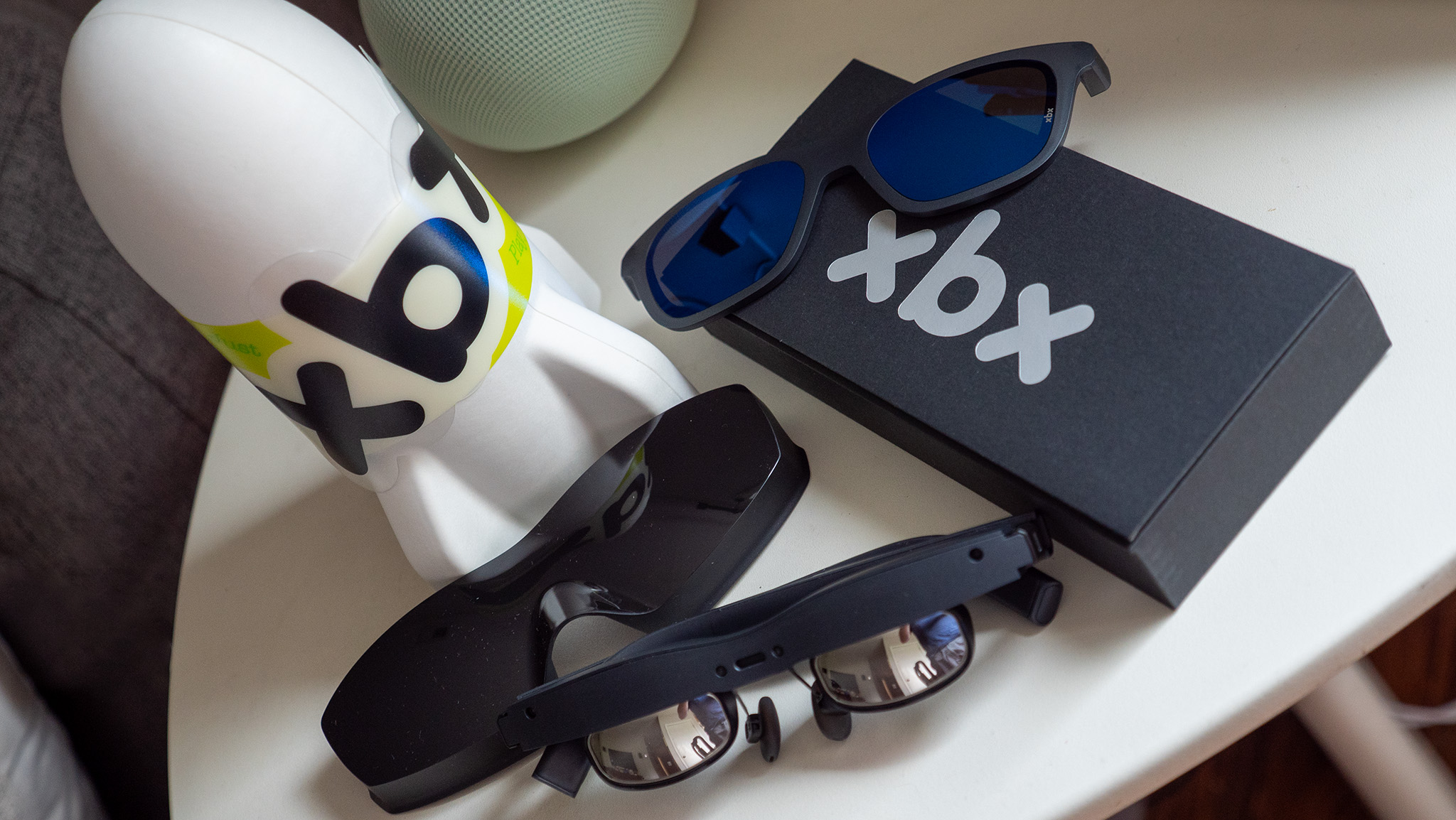
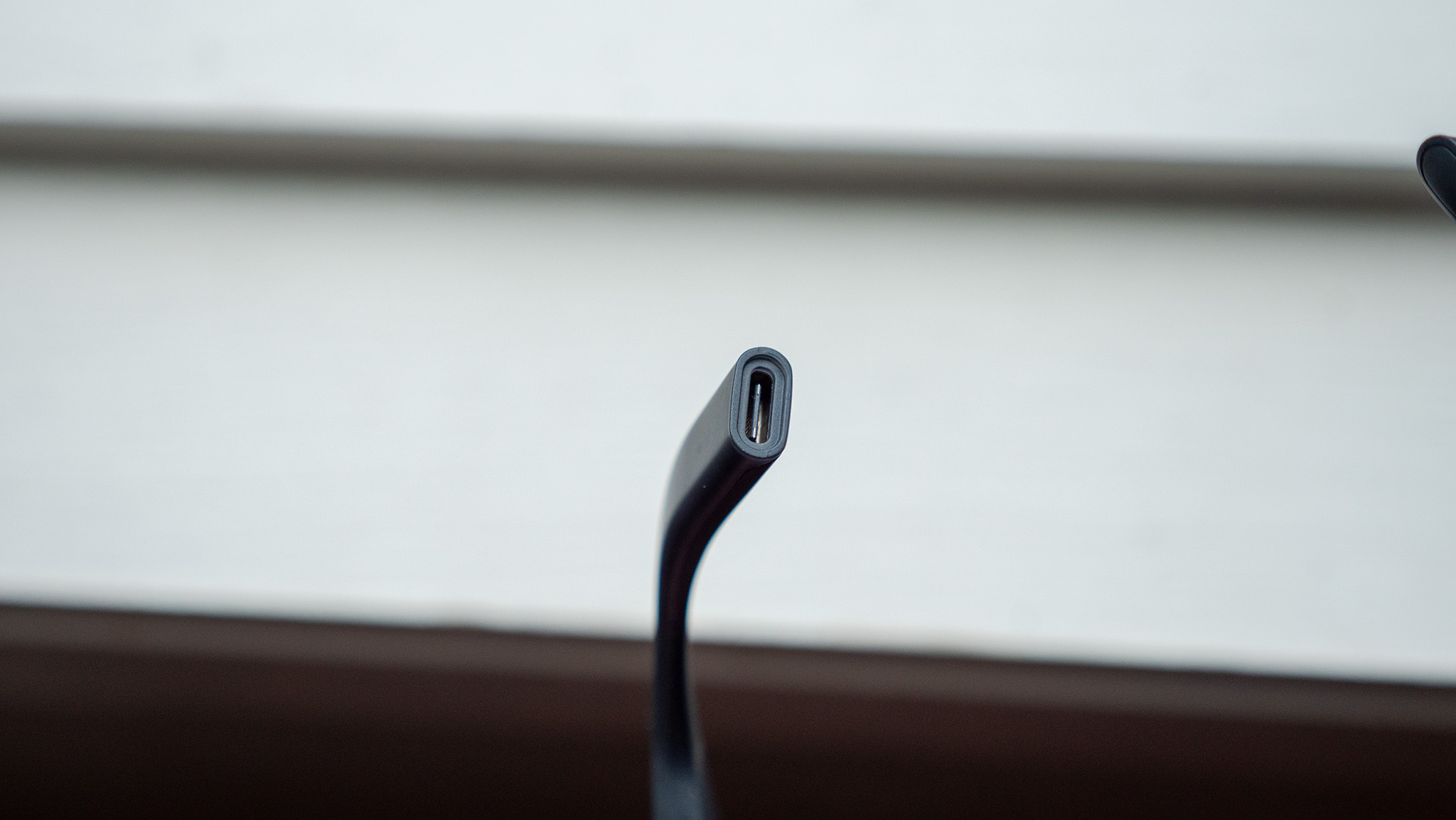
X by Xreal ships in an impressively unique rocket-ship package and includes a hardshell fabric carrying case, a rather loud-looking yellow USB-C cable, three sets of nose pad sizes, and a microfiber cleaning cloth, all for just $299 at xreal.com, Amazon, Best Buy, B&H, and Micro Center.
Category | X by Xreal |
|---|---|
Display | SeeYa micro-OLED |
Resolution | 1920 x 1080 |
Refresh rate | 120Hz |
Brightness | 1600-nit peak |
Eye care | 3840Hz PWM dimming, low blue light, TÜV Rheinland 5-Star |
Color support | 10-bit, 145% sRGB, realtime SDR-to-HDR conversion |
FoV | 50-degrees |
IPD | 54.5mm–74.5mm |
Spatial tracking | Smooth follow, 0DoF |
Electrochromic dimming | No |
3D support | Side-by-side |
Audio | Dual stereo 9x20mm drivers |
Temple adjustment | 3 angles, spring hinge with 20-degree flexible arms |
Weight | 62g with frames, 56g without |
More than just cheaper glasses
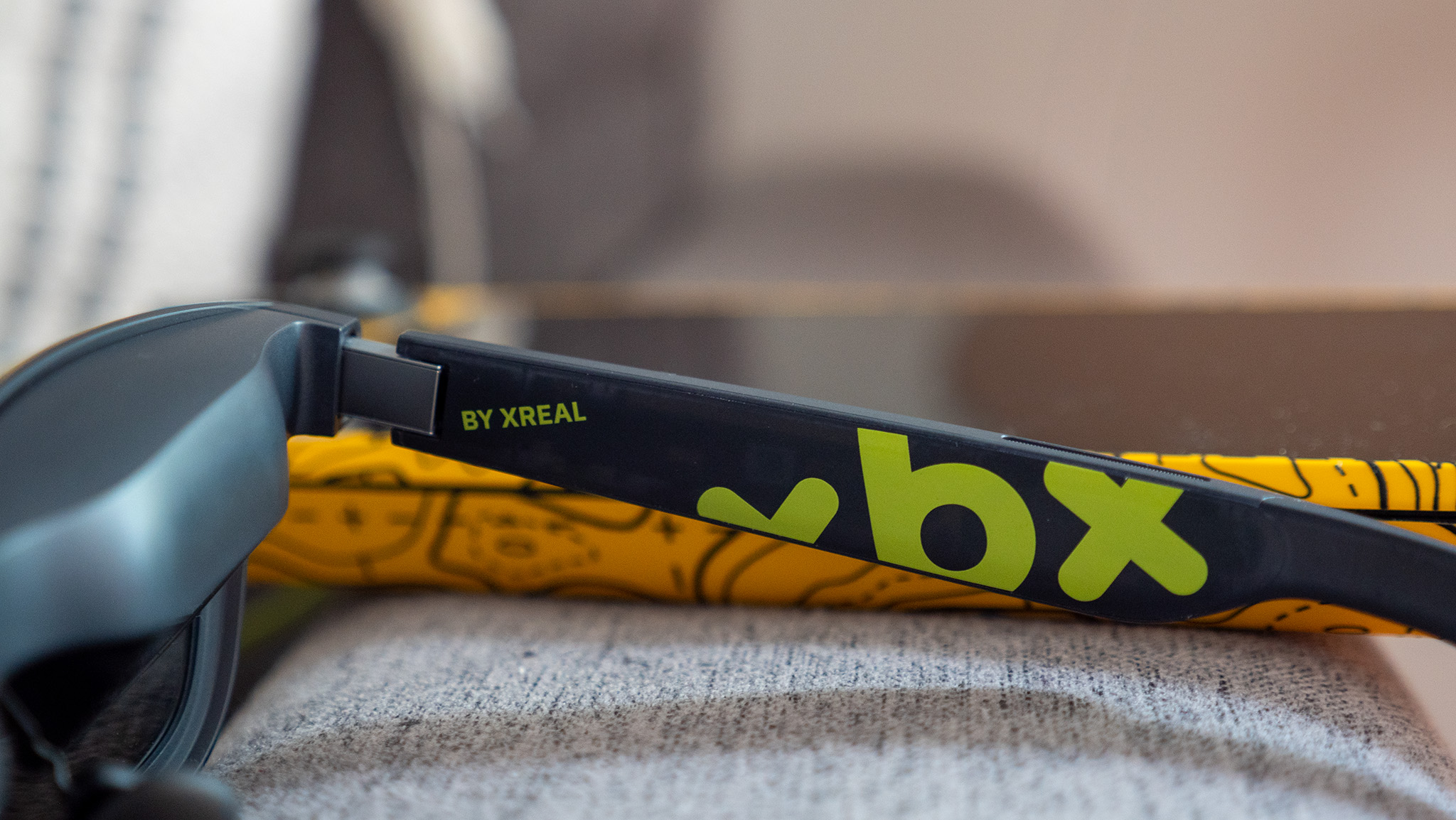
The obvious reason to choose X by Xreal (XBX) this year is the price. At $299, these directly compete with the RayNeo Air 4s Pro, and RayNeo has historically dominated this price category. Xreal isn't just delivering lighter frames (14g lighter!), but it's also introducing smooth follow spatial tracking for the first time ever in this price category, as well as an impressive modular frame design.
The weight difference alone is reason enough to choose XBX, and the interchangeable frames are more than just the cherry on top. Xreal shipped me a completely different-looking frame that fully replaces the standard Ray-Ban-style look with a smaller, dark-tinted visor style, and that's just one of many styles Xreal offers.
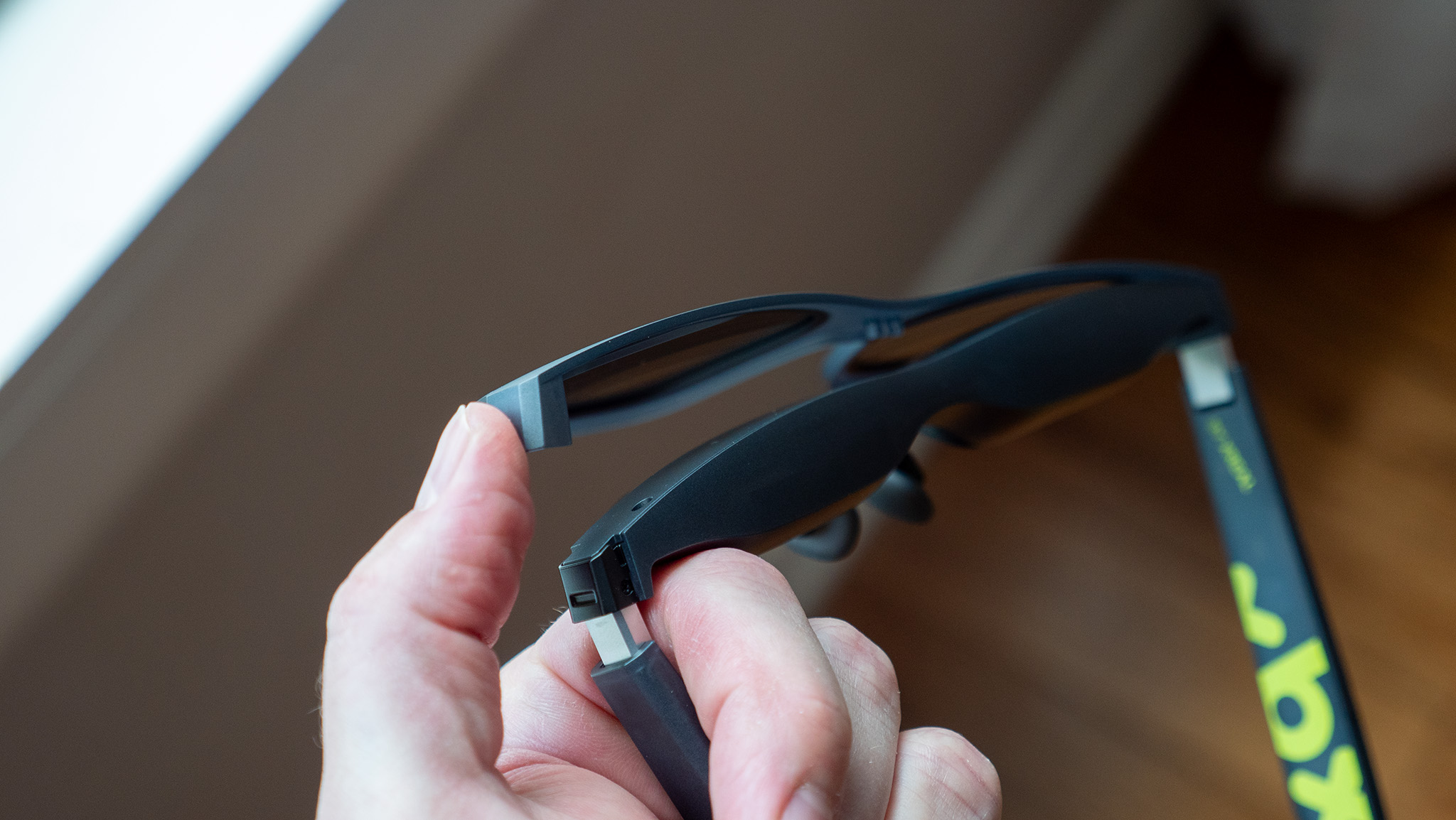
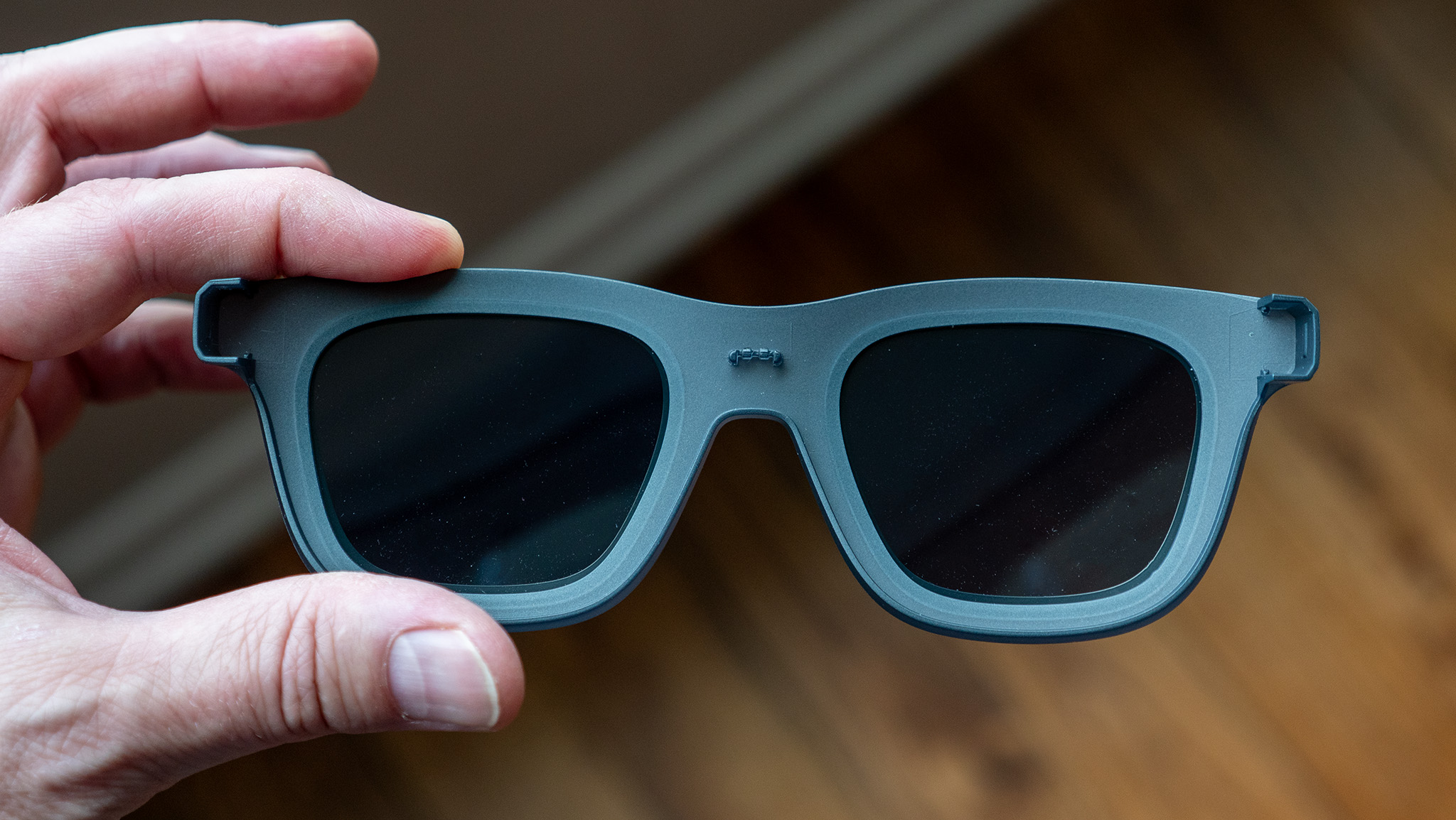
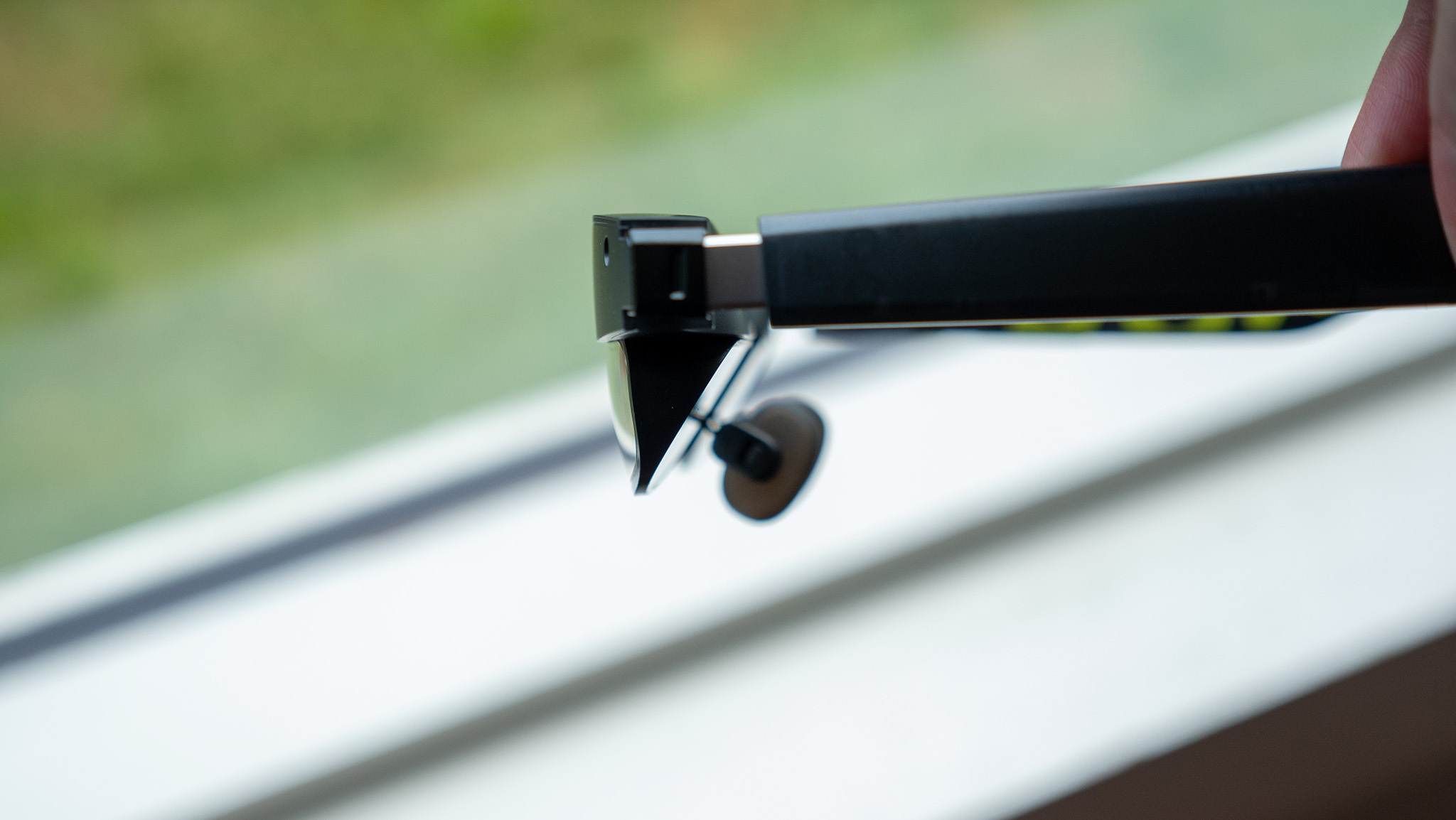
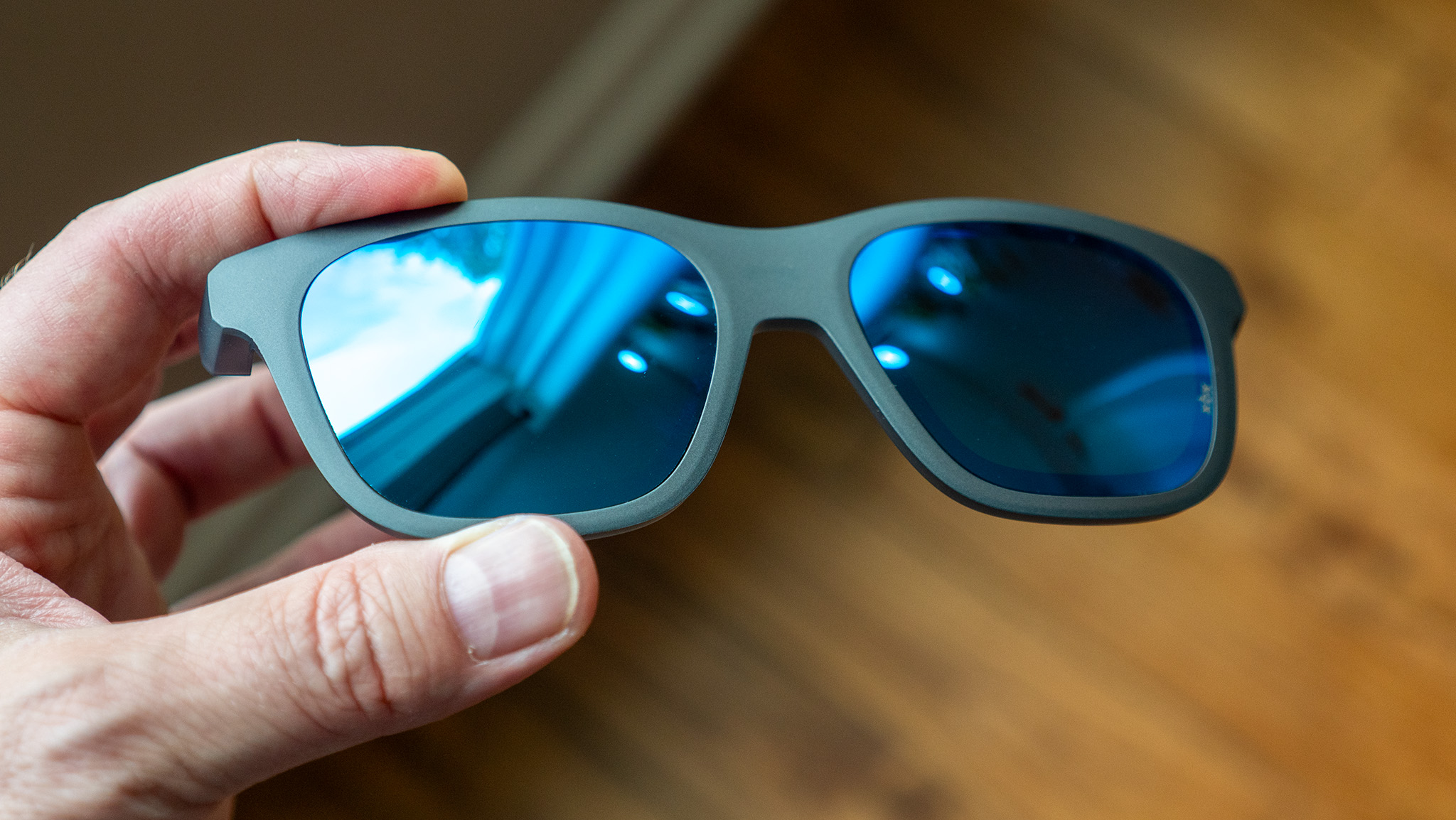
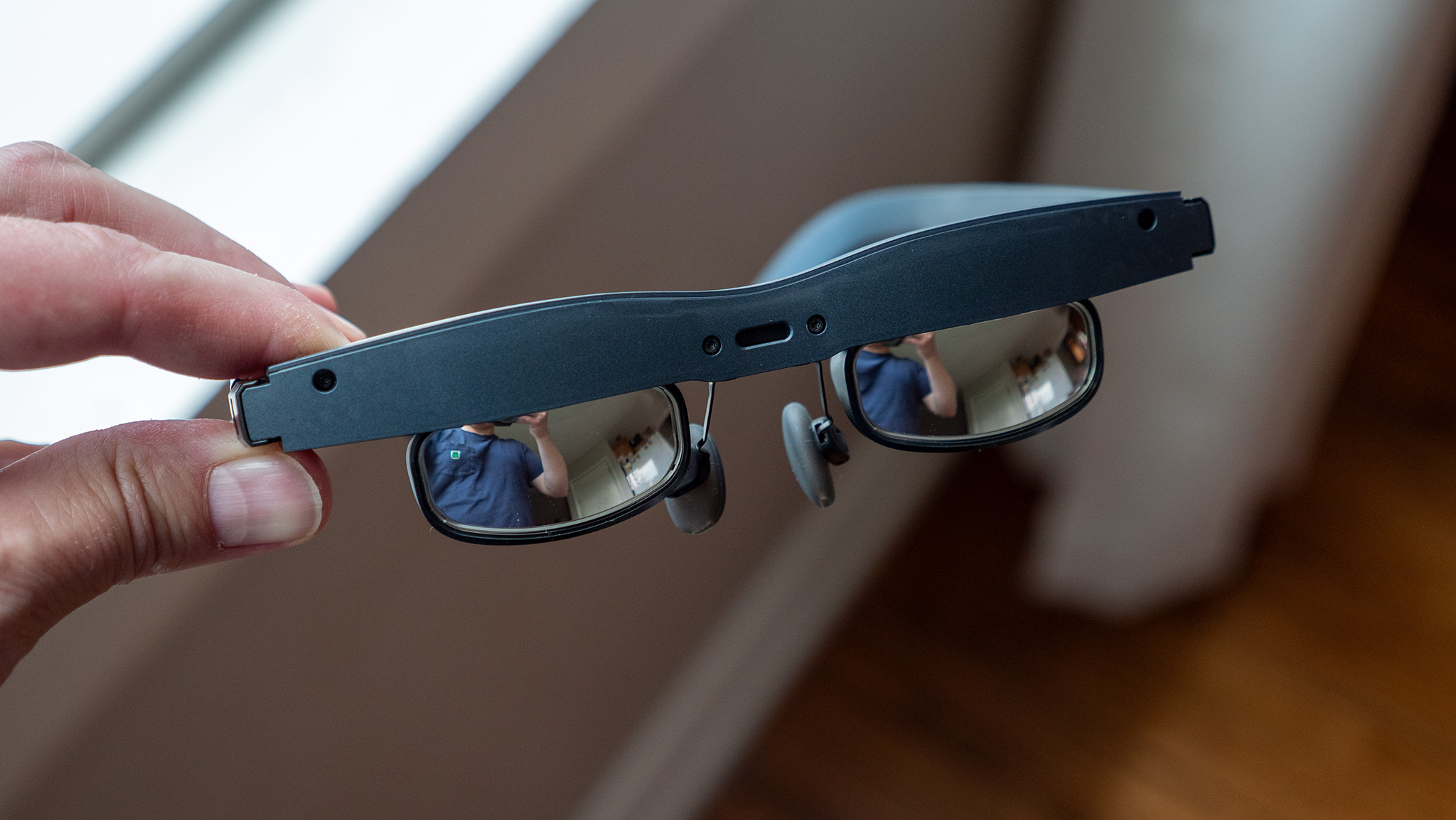
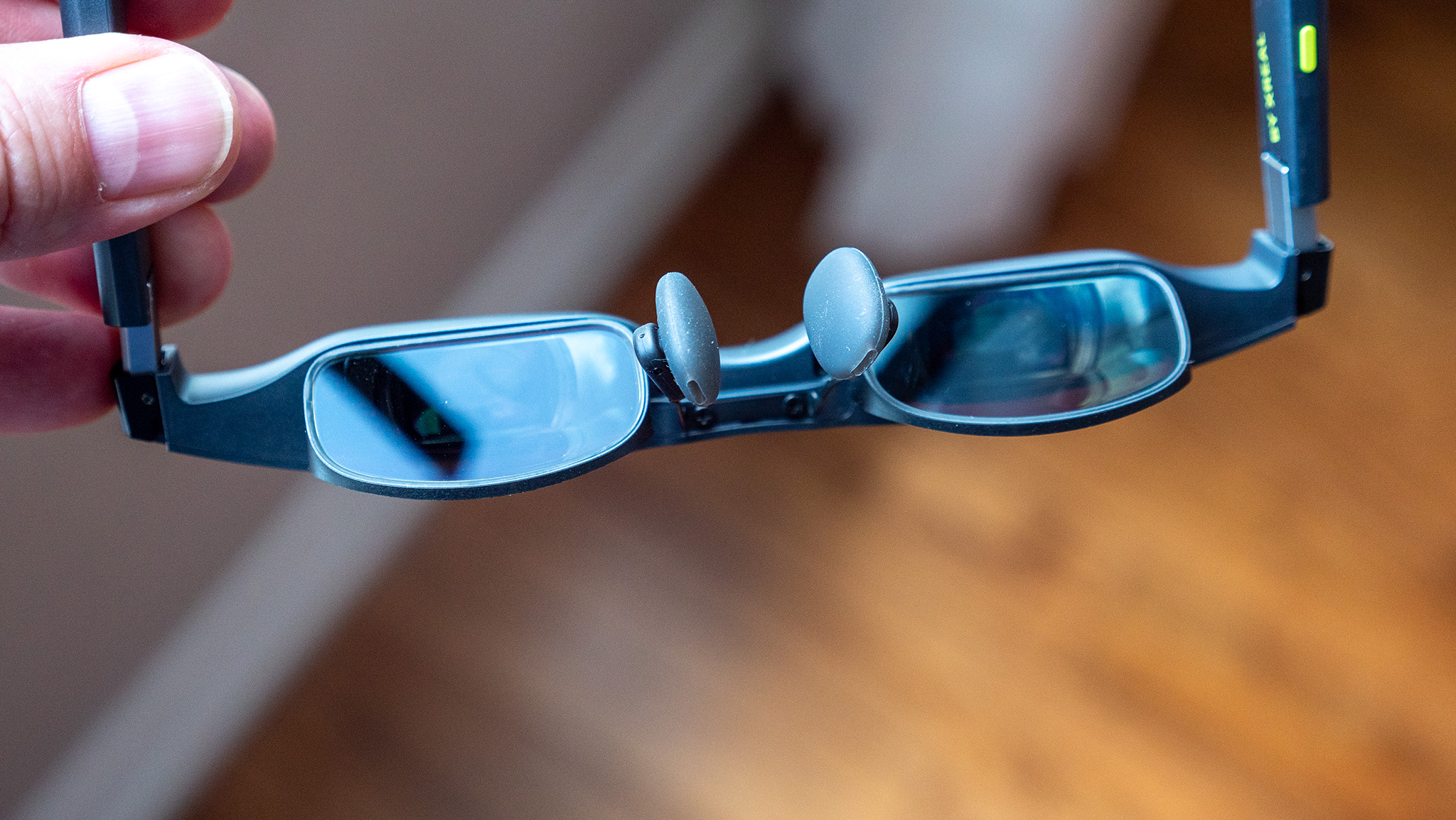
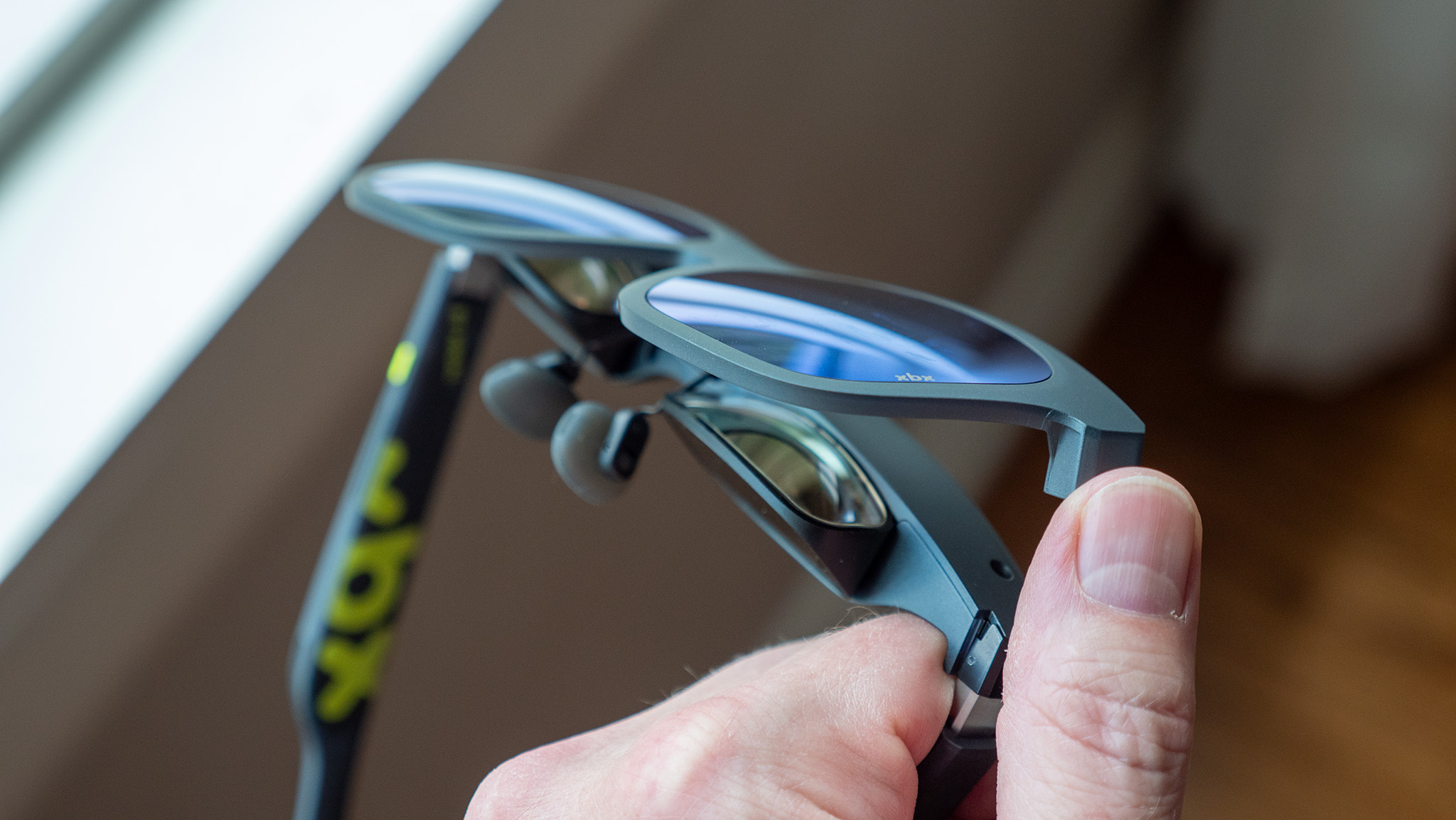
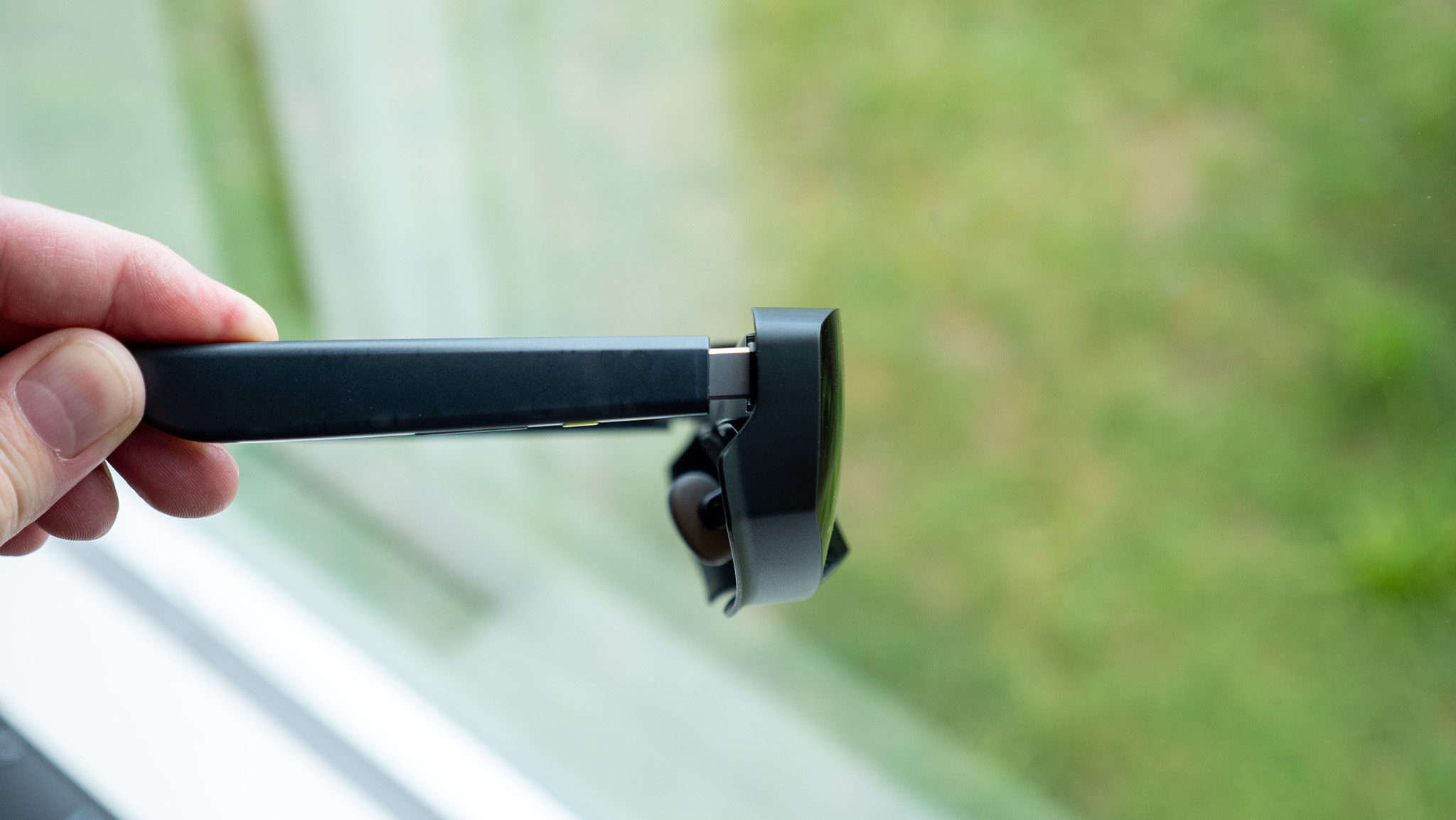
To sweeten the deal, Xreal has provided MakerWorld 3D printing params so the community can create quite literally anything it wants. The frames even pop off by hand, no tools required, and while I was worried I was going to break them on my first few attempts, my Xreal rep reassured me that I'd seriously have to manhandle the glasses to break them.
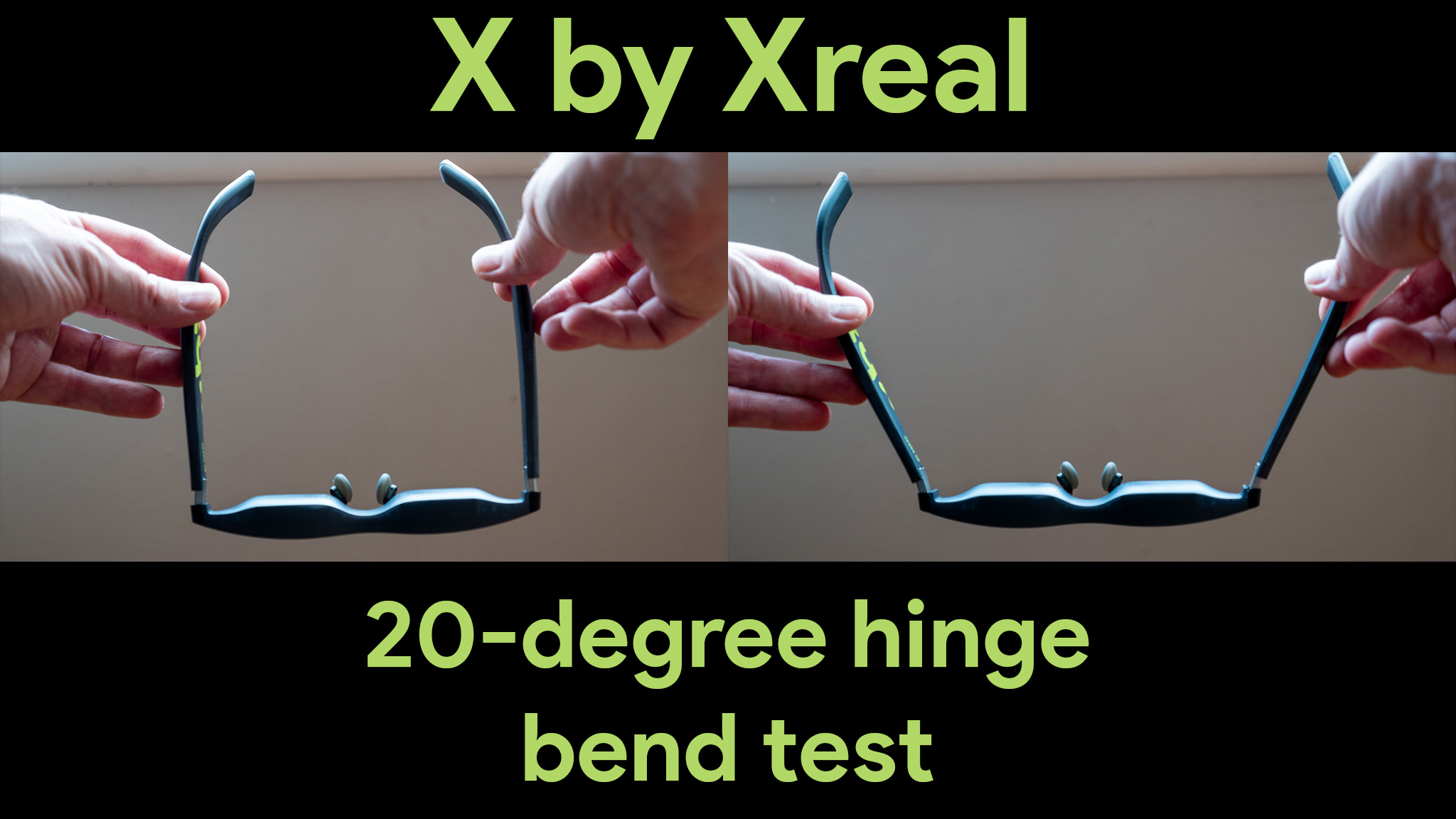
XBX also includes the springiest temple arms to date. These new hinges bend back up to 20 degrees, offering substantial comfort across multiple head sizes. The same three different sizes and shapes of nose pads included with more expensive Xreal glasses are included here, as well, and work wonders for different nose shapes and sizes.
And what good are all these comfort features if the display is just going to give you a headache? As a wearable display, XBX uses the most comfortable micro-OLED panels on the market. These panels are made by SeeYa, the same company that supplies RayNeo's panels, and while they look similar on paper, they offer substantial advantages over all other smart glasses displays to date. Yes, even over Sony panels.
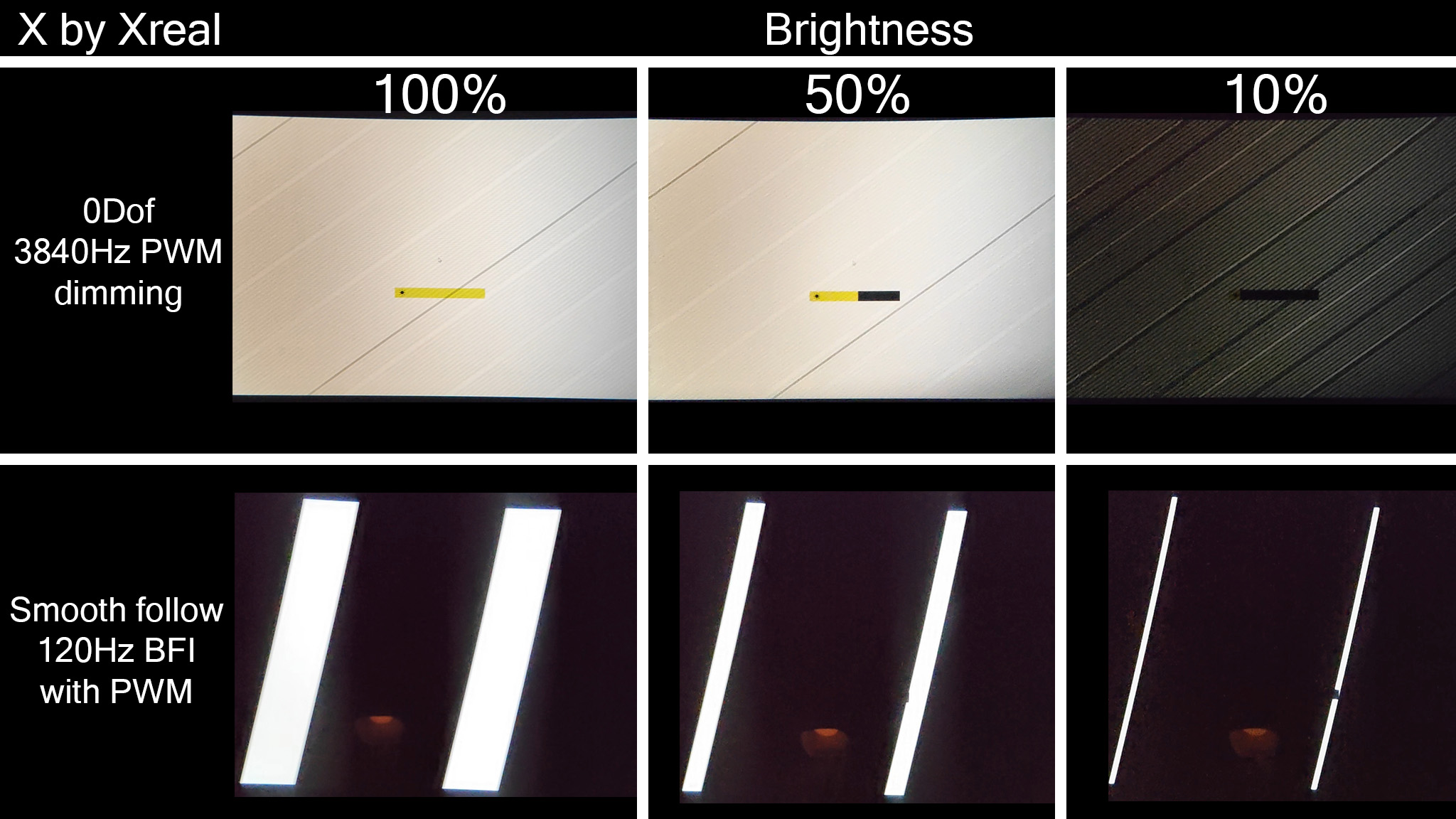
To begin, they use 3840Hz PWM dimming at all brightness levels and during both 60Hz and 120Hz refresh rates. RayNeo Air 4s Pro uses only 3840Hz PWM dimming at 60Hz and switches to roughly half that rate at 120Hz. They also output 1600 nits of brightness, enough to overcome the lack of electrochromic dimming on the lenses.
XBX are also using SeeYa's (and the industry's) first native 10-bit micro-OLED panels. That means you can enjoy 8-bit and 10-bit content without using temporal dithering, another tactic that can cause debilitating headaches for some people.
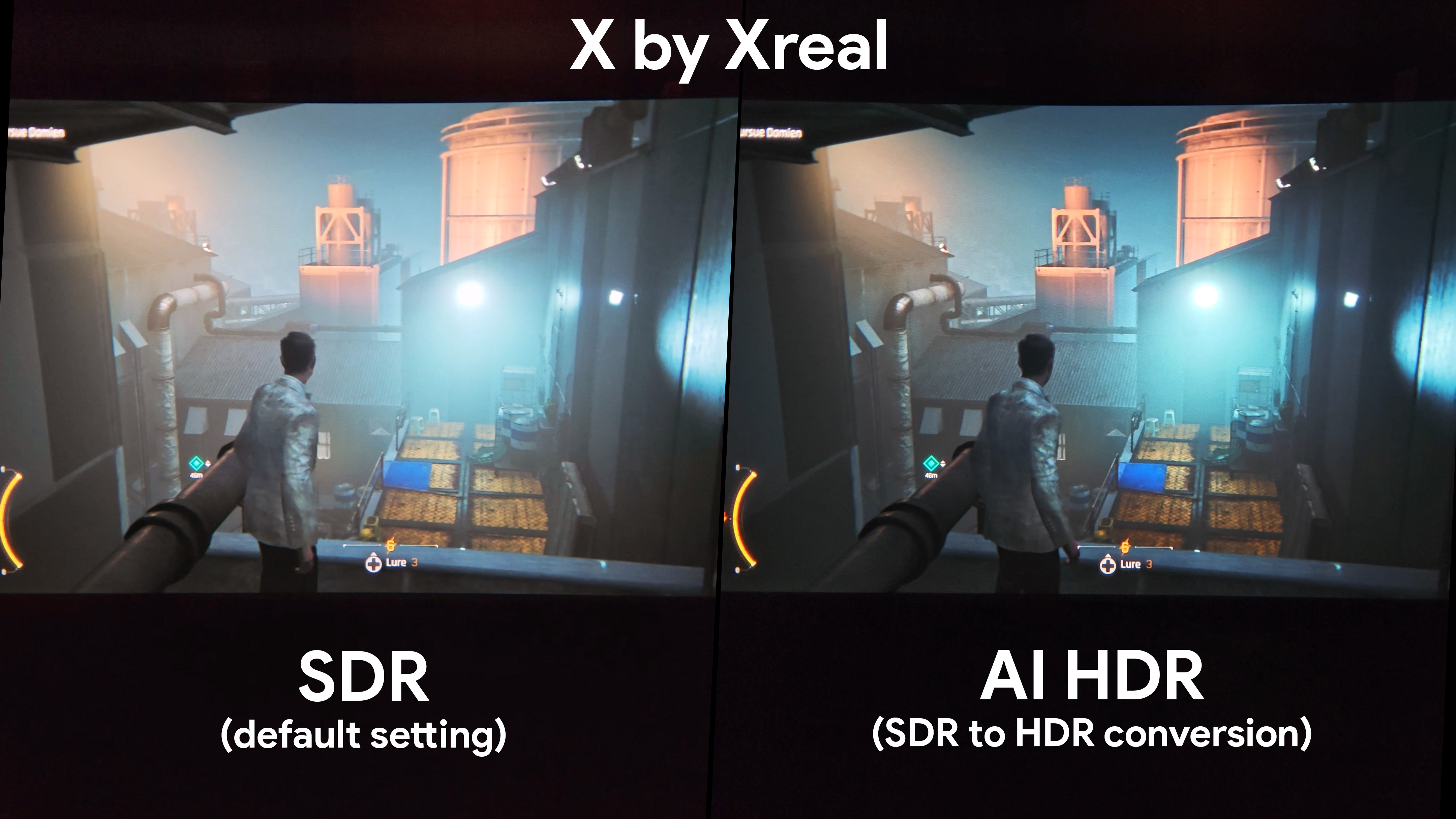
In addition, Xreal's real-time SDR-to-HDR conversion on XBX looks absolutely stellar and adds a notable amount of contrast and dynamic range to all the content I tested it on. I particularly enjoyed this while playing 007 First Light on my Steam Deck, which looked even better than on my TV thanks to the HDR conversion.
On top of all that, XBX offers the first smooth-follow spatial tracking mode on any pair of sub-$400 glasses, a monumental innovation that keeps the display jitter-free, even during airline turbulence. The downside is that, since this isn't powered by Xreal's X1 chip, you can only use smooth follow with the SDR/8-bit display mode. HDR and 10-bit modes are only available with 0DoF tracking, so you'll have to choose between image quality and stability, depending on the situation.
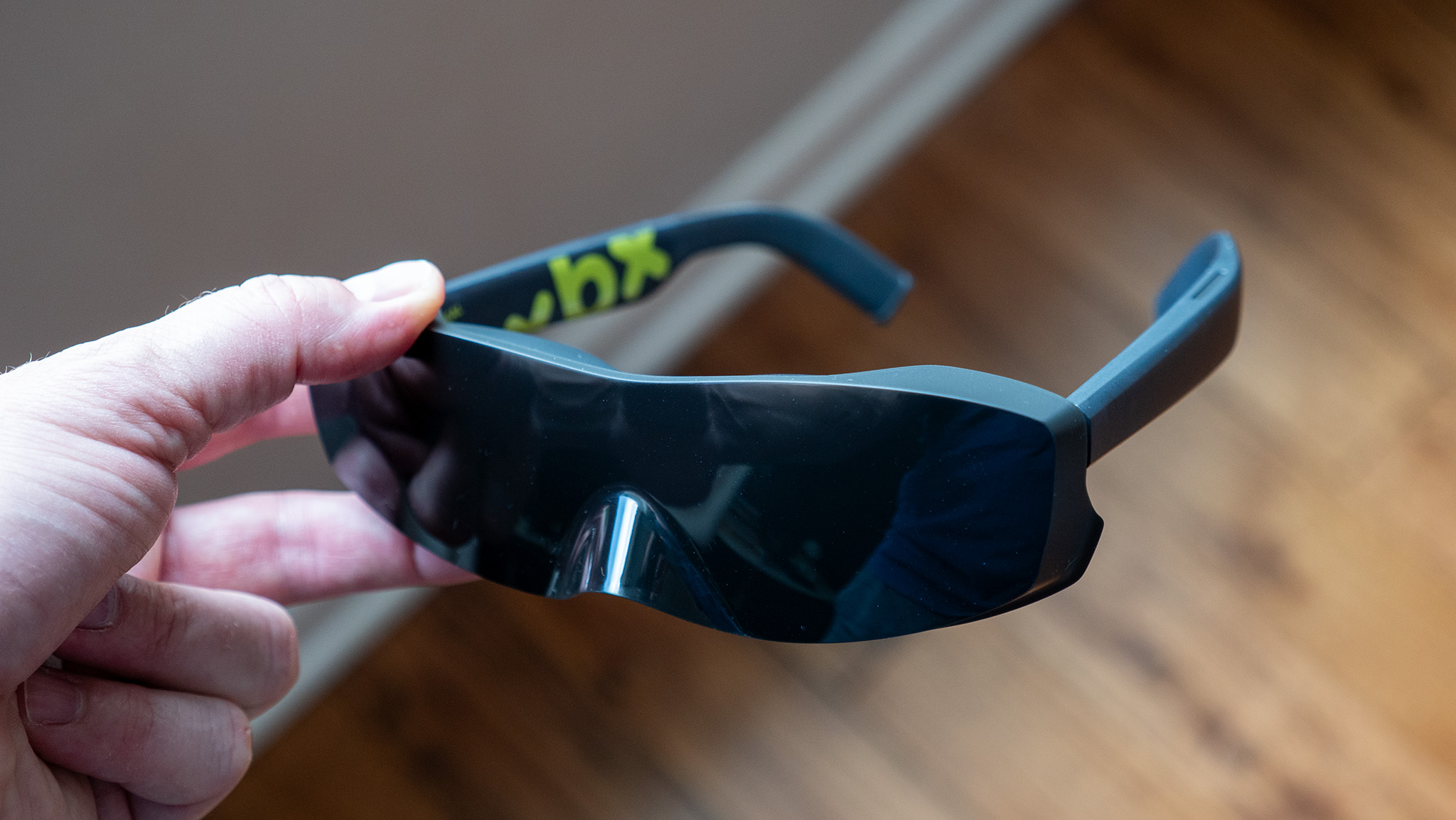
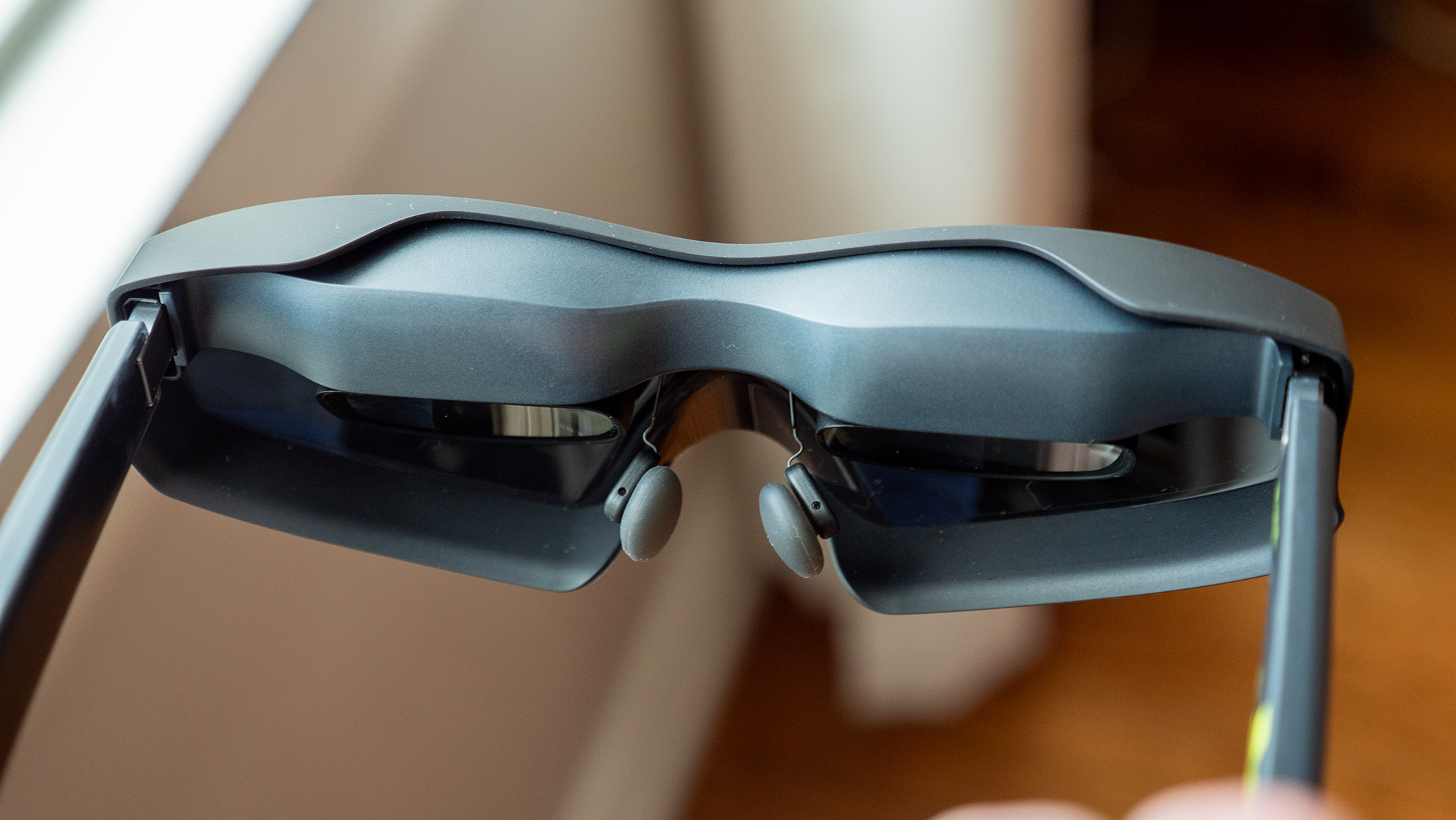
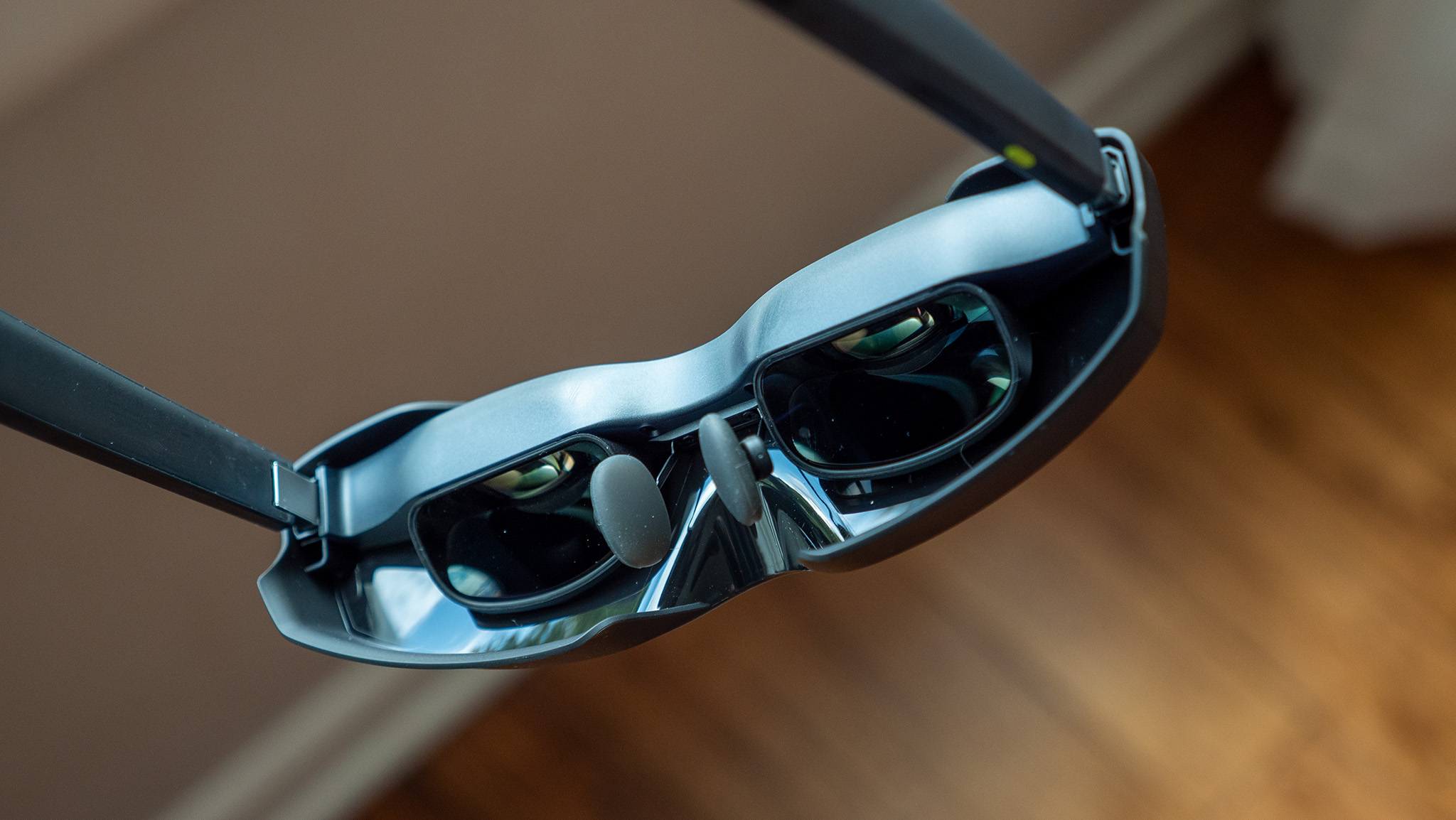
The display sits at a 4m focal length, so I didn't need prescription reading glasses to view it comfortably. Xreal is also boasting its TÜV Rheinland 5-Star comfort rating, including 415-455nm blue-light-blocking material on the displays, plus three different color modes for enhanced comfort.
My one complaint about the hardware is that the speakers aren't particularly loud. They're just fine when playing my Steam Deck at home or watching a YouTube video at my desk, but there's no chance you'll be able to hear things well in any public spaces. Best stick to wearing earbuds for that.
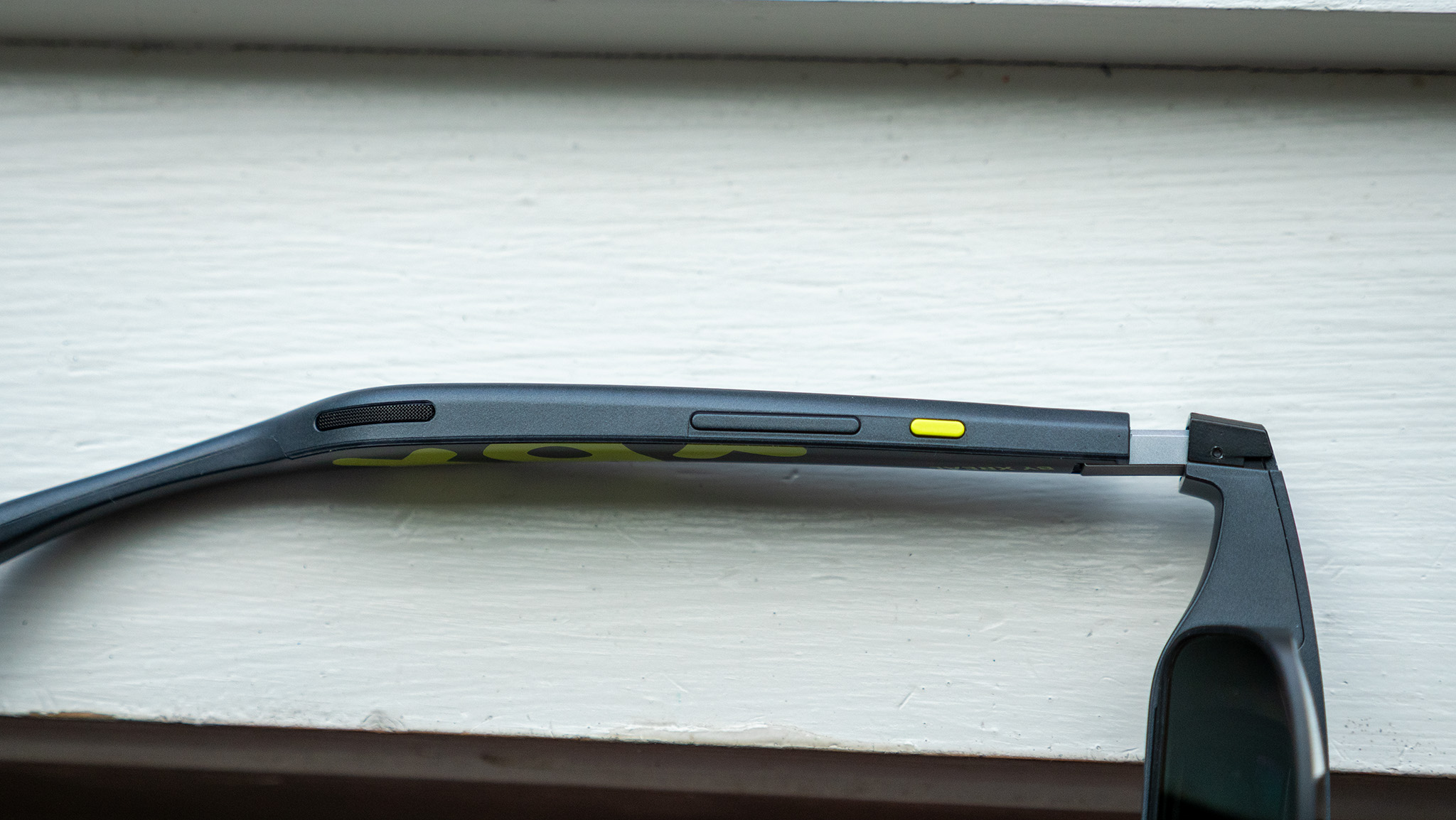
All display and audio options are easily adjusted via the OSD menu, accessed by pressing the X button on the underside of the right temple arm. This menu is quite basic compared to Xreal One or Xreal ROG glasses, but that makes sense given the reduced feature set of this more affordable pair.
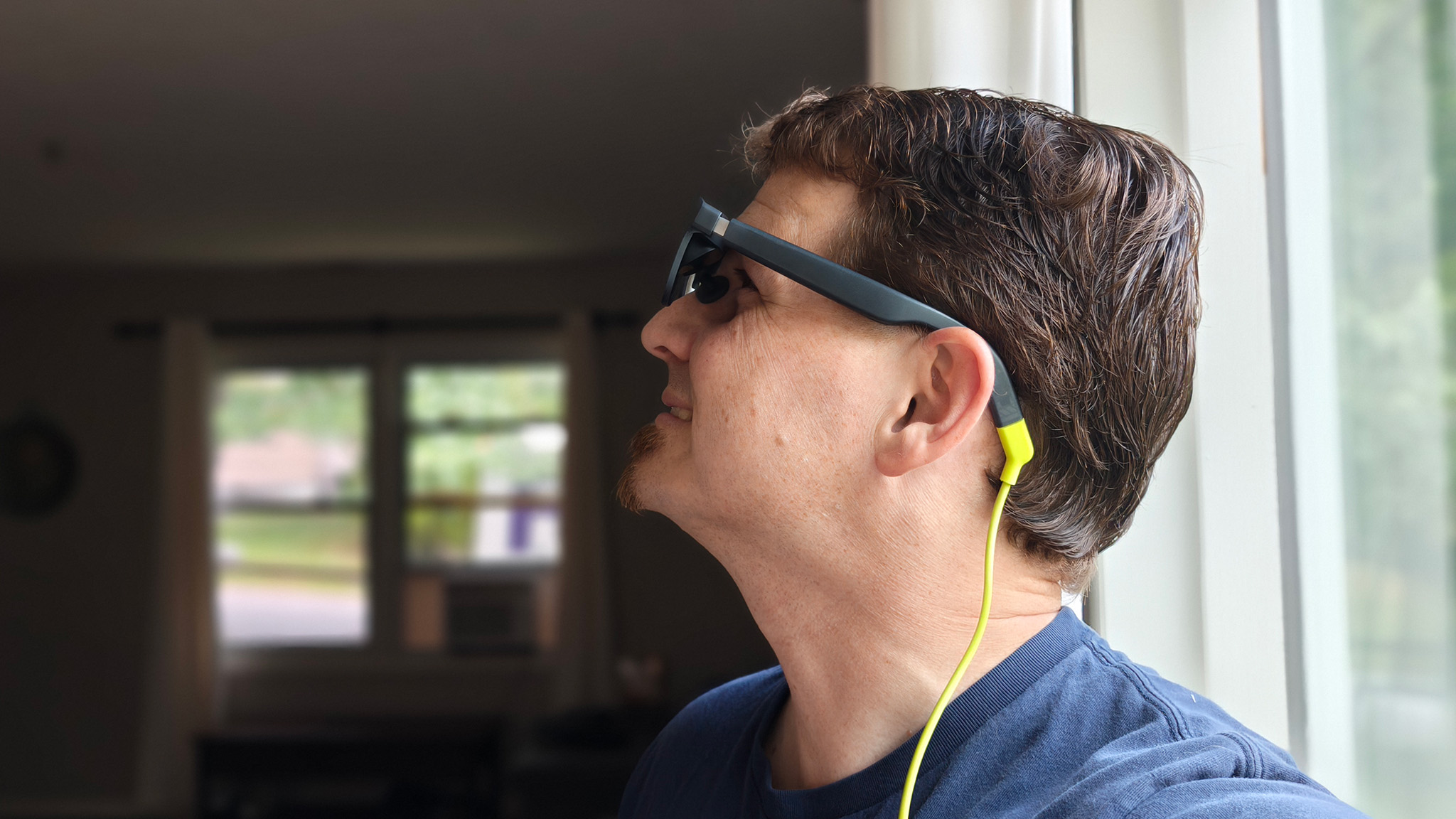
All in all, this is the best pair of smart glasses you can buy in 2026 simply because of the incredible value they bring. Xreal offers more features in its more expensive glasses, which I also love a lot, but this is the first time I feel like I can confidently recommend a pair of $299 glasses and that the person buying them won't have to accept some kind of deep concession.
Just as with Xreal One's release in early 2025, X by Xreal is redefining an entire product category by offering better hardware, better software, and features you wouldn't expect to get at this price. If you're on the fence about smart glasses this year, don't bother spending more. Just get XBX.