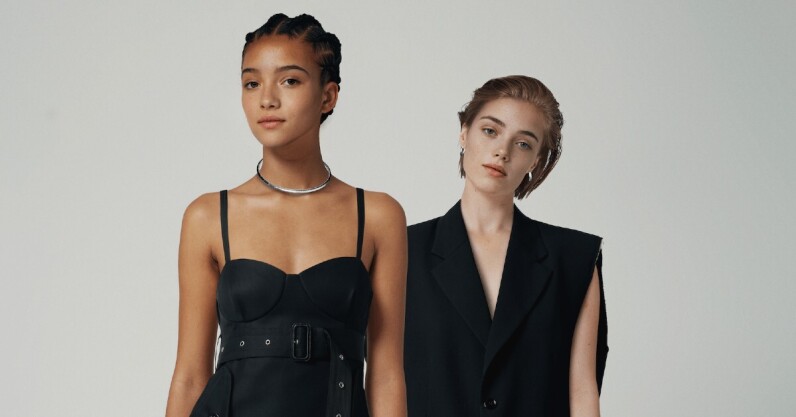
Dutch startup Lalaland, a pioneer of AI-generated fashion models, has been snapped up by software firm Browzwear for an undisclosed sum. Based at TNW City in Amsterdam, Lalaland quickly made waves — and sparked debate — after launching its customisable, realistic AI avatars in 2019. They’re pitched as a way for brands to save money while showcasing more diversity in their advertisements.

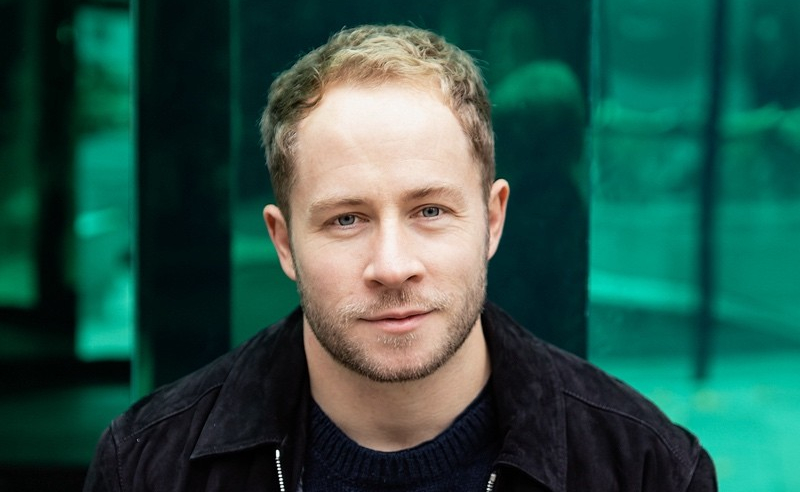
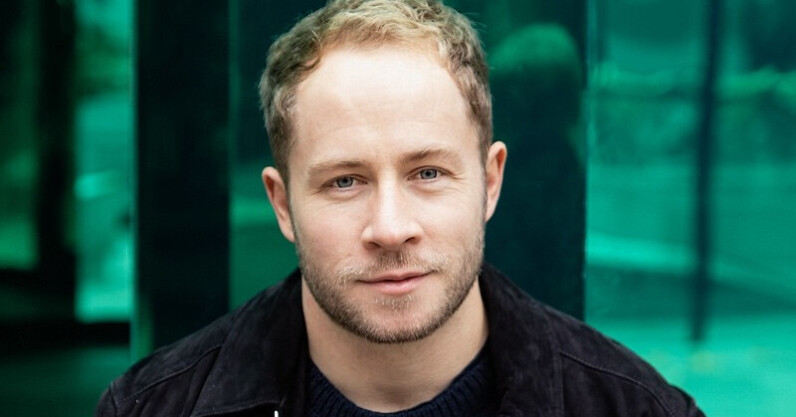
UK-based fintech Cleo, known for its AI-powered budgeting app, has launched its most advanced product to date. Dubbed Cleo 3.0, the new version introduces features such as voice interaction, long-term memory, and improved reasoning capabilities. Barney Hussey-Yeo, Cleo’s founder and chief executive, said Cleo 3.0 is less chatbot and more “conversational AI money coach.” Users […]
This story

UK-based fintech Cleo, known for its AI-powered budgeting app, has launched its most advanced product to date. Dubbed Cleo 3.0, the new version introduces features such as voice interaction, long-term memory, and improved reasoning capabilities. Barney Hussey-Yeo, Cleo’s founder and chief executive, said Cleo 3.0 is less chatbot and more “conversational AI money coach.” Users can now have real

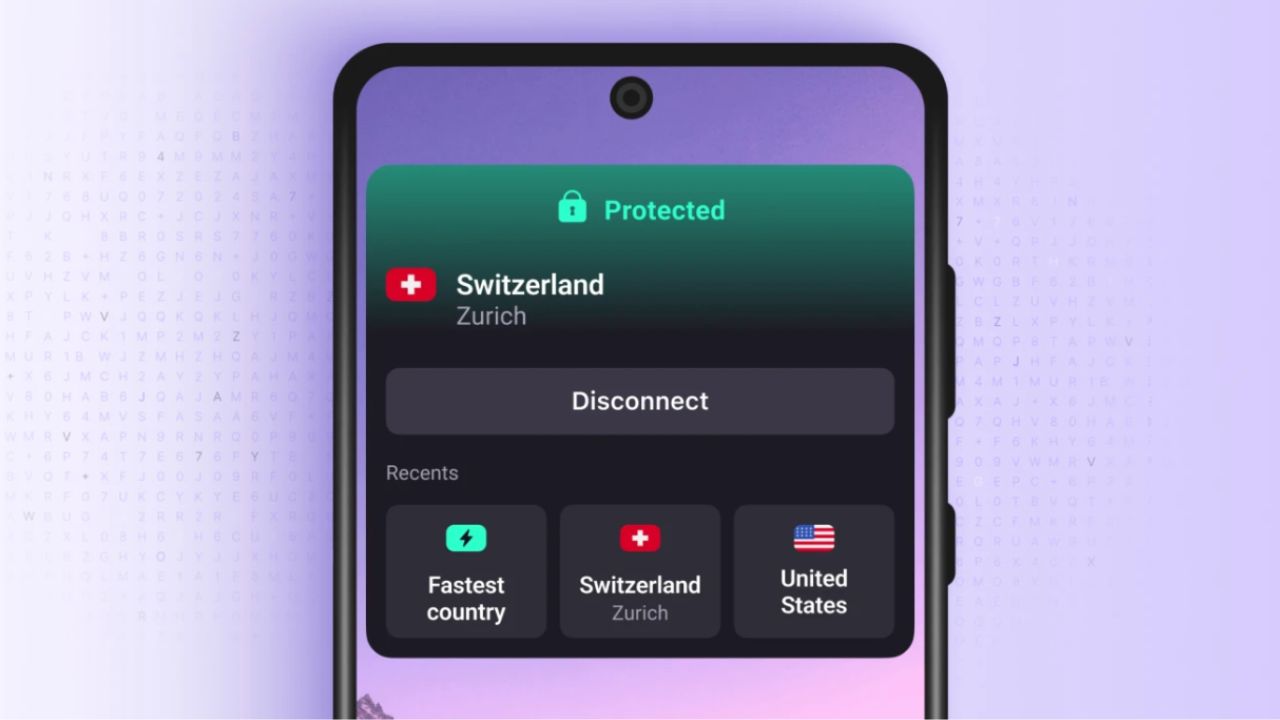
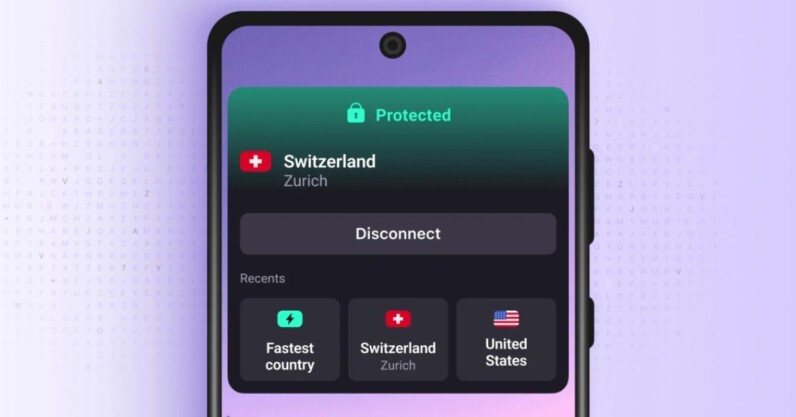
Proton VPN has become the UK’s most downloaded free app, as Britons rush to bypass a new law requiring users to verify their age before accessing websites hosting adult content. Proton VPN reported a staggering 1,400% surge in UK sign-ups almost immediately after the Online Safety Act came into effect. It is now Britain’s most […]
This story continues at The Next Web

Proton VPN has become the UK’s most downloaded free app, as Britons rush to bypass a new law requiring users to verify their age before accessing websites hosting adult content. Proton VPN reported a staggering 1,400% surge in UK sign-ups almost immediately after the Online Safety Act came into effect. It is now Britain’s most downloaded free app, overtaking ChatGPT, according to Apple’s App

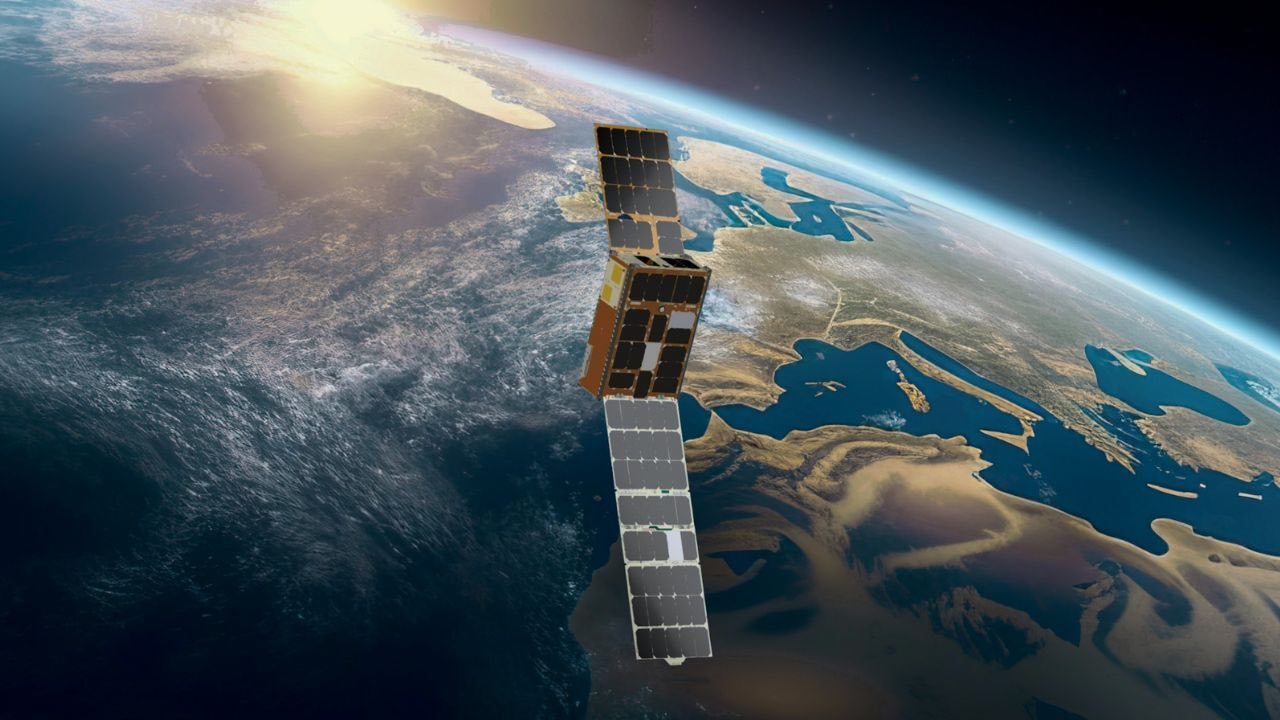
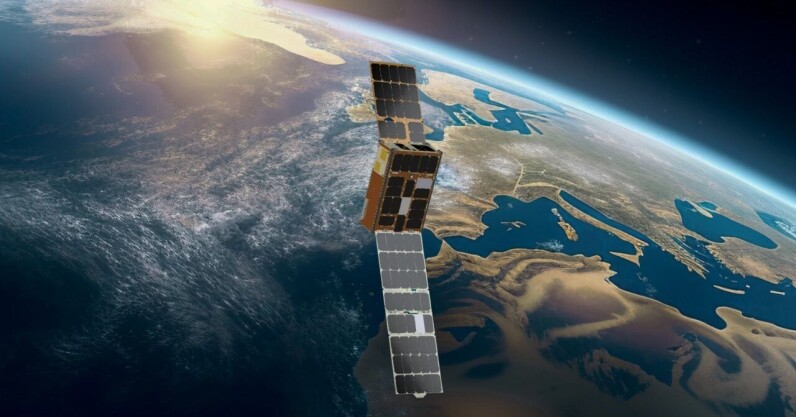
For the first time, a satellite has used onboard AI to autonomously decide where and when to capture a scientific image — all in under 90 seconds, with no human input. The technology, called Dynamic Targeting, was tested by NASA’s Jet Propulsion Laboratory (JPL) earlier this month. It was installed aboard a briefcase-sized satellite built […]
This story continues at The Next Web

For the first time, a satellite has used onboard AI to autonomously decide where and when to capture a scientific image — all in under 90 seconds, with no human input. The technology, called Dynamic Targeting, was tested by NASA’s Jet Propulsion Laboratory (JPL) earlier this month. It was installed aboard a briefcase-sized satellite built and operated by UK-based startup Open Cosmos, and carried a