
No space-based gravitational wave observatory exists…yet. But that hasn’t stopped a team of astronomers from demonstrating how the gravitational universe might look, using simulated data to create a “synthetic gravitational sky.”
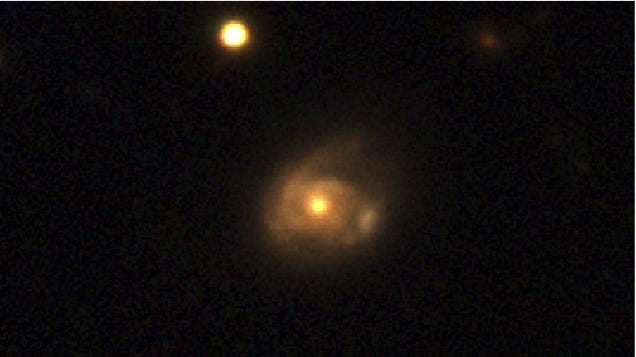
On June 22, 2022, NASA’s Swift Observatory spotted something curious in a galaxy over 500 million light-years away. It was a routine outburst of gas that a team studying the data now believes is evidence of a black hole intermittently gobbling up a star each time the latter draws near.
A team of researchers scrutinizing the Extended Groth Strip, a region of space between the constellations Ursa Major and Boötes, saw fewer growing supermassive black holes and less dust than they expected.
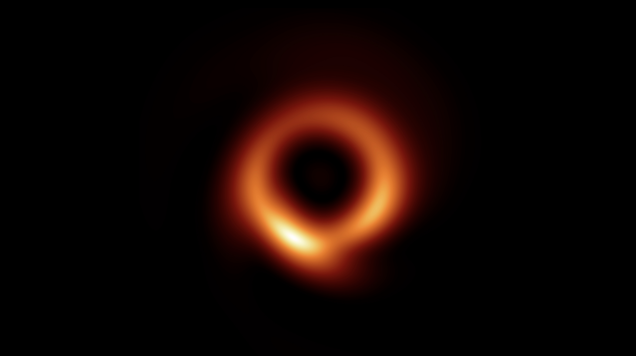
Astronomers transfixed the public in April 2019 when they released the first-ever image of a black hole, produced by radio wave data from a collaboration of telescopes around the world known collectively as the Event Horizon Telescope.
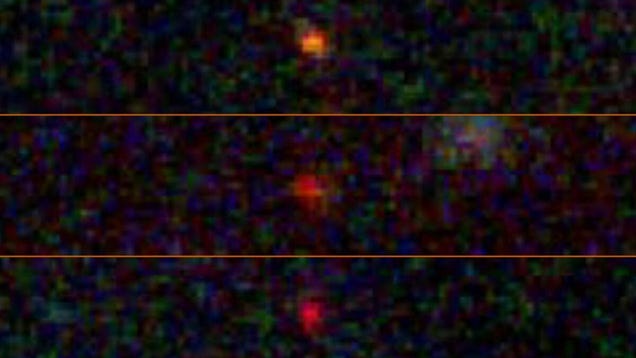
Astronomers looking at ancient light seen by the Webb Space Telescope have found three pinpricks that they think could be “dark stars,” theoretical objects powered by dark matter.
John A. Paice
NASA/JPL-Caltech/SAO/NOAO
Lia Medeiros via The Associated Press