


Around 92 million jobs are projected to disappear by 2030.
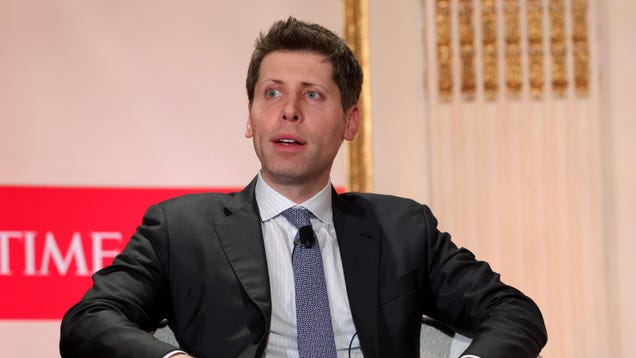
It’s become popular amongst the denizens of Silicon Valley to claim that AI could end the world as we know it. However, this week provided more than a few examples of why that isn’t true. AI isn’t going to pose a threat to humanity anytime soon. The AI products that exist don’t even perform their limited function…

Generative artificial intelligence is everywhere you look these days, including on the web: advanced predictive text bots such as ChatGPT can now spew out endless reams of text on every topic imaginable and make all this written content natural enough that it could plausibly have been written by a human being.

An error in judgement earlier this year—when a D&D artist confirmed they had used generative AI programs to finish several pieces of art included in the sourcebook
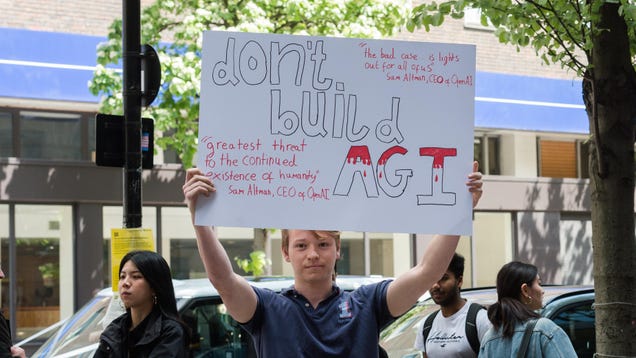
By all accounts, the European Union’s AI Act seems like something that would make tech ethicists happy. The landmark artificial intelligence law, which enjoyed a huge legislative win this week, seeks to institute a broad regulatory framework that would tackle the harms posed by the new technology.
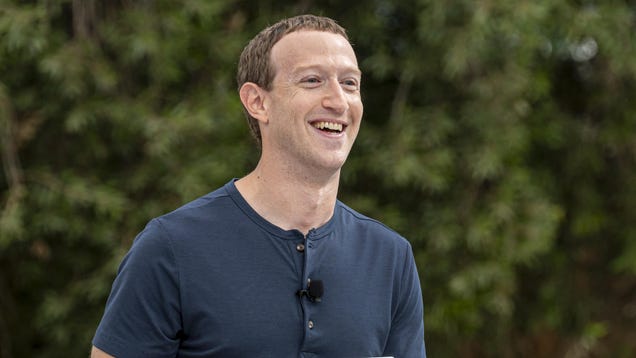
Threads finally launched for European users Thursday roughly five months after the X competitor rolled out in the United States.

Meta’s long-promised AI-enabled vision features for the company’s Ray-Ban Smart Glasses are finally incoming, allowing the onboard AI to see, hear, and interpret its environment through the glasses’ 12 MP camera and microphone.

Microsoft announced an alliance with the American Federation of Labor and Congress of Industrial Organizations (AFL-CIO) to ensure that artificial intelligence serves the interests of workers, according to a blog post Mon