
Dimitrios Kambouris/Getty Images
Crash diet alert: Antarctica’s Brunt Ice Shelf has slimmed down by about 256 billion tons.
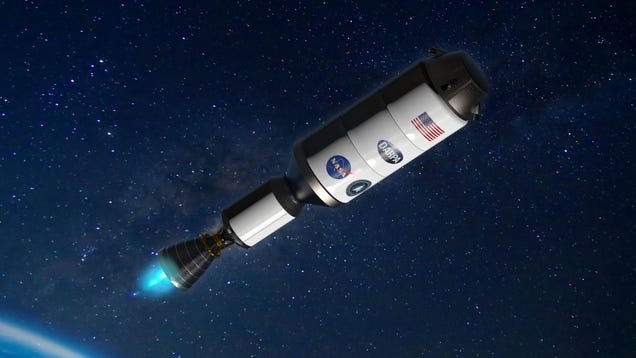
One of the bigger questions surrounding NASA’s interest in sending a crewed mission to Mars surrounds the best way to get there, and it appears the agency might have found its answer. NASA announced today that it will be developing a nuclear thermal rocket engine in collaboration with the Defense Advanced Research…

Some unsettling imagery out of Europe last week: The Drina river, a 215-mile waterway that constitutes much of the border of Bosnia & Herzegovina and Serbia, has been covered in trash.


The U.S. has just given the green light to its first-ever small modular nuclear design, a promising step forward for a power source that remains controversial among some climate advocates but is experiencing a popular renaissance.
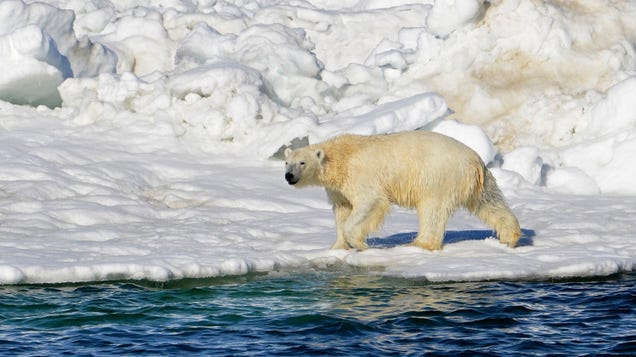
A woman and her 1-year-old son were fatally attacked by a polar bear in the small whaling village of Wales, Alaska, last week.

This story was originally published by Grist. You can subscribe to its weekly newsletter here.
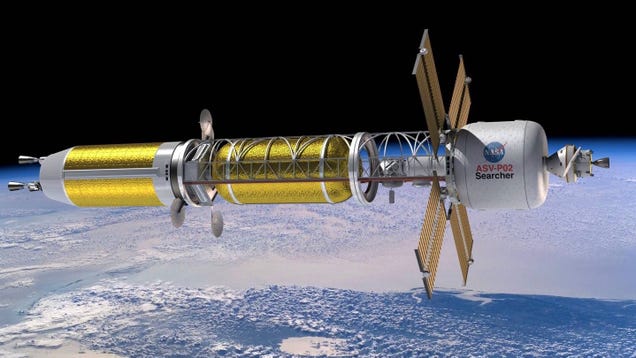
Two of the most forward-thinking agencies in the United States are joining forces to foster the development of advanced space propulsion. A fireside chat on the new collaboration is scheduled for Tuesday morning, and you can watch it live right here.