
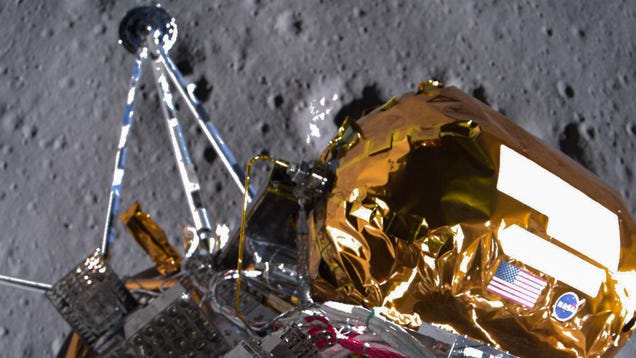
It was a topsy-turvy month in spaceflight, with yet another lunar lander falling over and an upsetting new view showing NASA’s Ingenuity helicopter missing a rotor blade, among other memorable moments.
It was a topsy-turvy month in spaceflight, with yet another lunar lander falling over and an upsetting new view showing NASA’s Ingenuity helicopter missing a rotor blade, among other memorable moments.
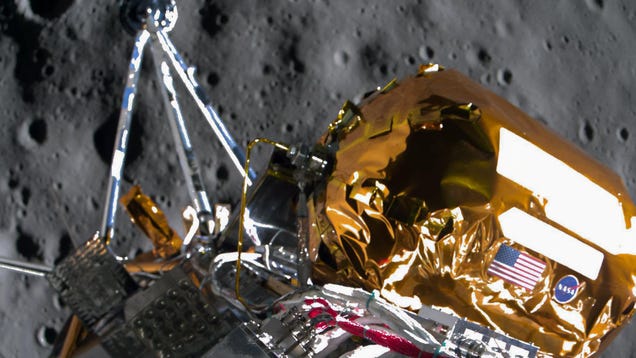
After a nail-biting touchdown on the lunar surface that left Odysseus bent over on its side, the lander is ready for its nap. Intuitive Machines is getting ready to power down its lunar lander, with hopes that Odie may wake up once the Sun illuminates its functioning solar array again.

A new climate intervention strategy aims to decrease the amount of water vapor in the stratosphere by injecting it with ice-forming nuclei. The idea is that, by reducing the water content, more heat in the form of infrared radiation would leak out into space.
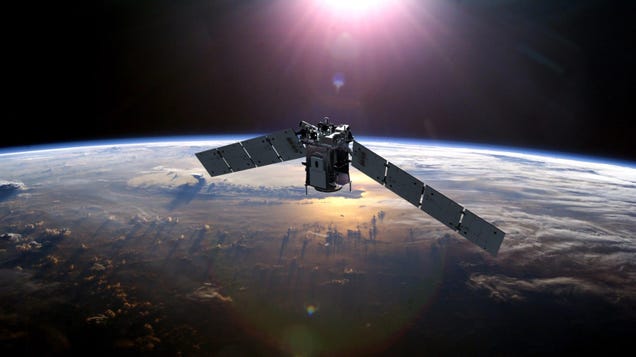
In a tense moment for space safety, two satellites—NASA’s TIMED spacecraft and the defunct Russian Cosmos 2221—came alarmingly close to smashing into each other above Earth, prompting concerns about the risks of space debris.
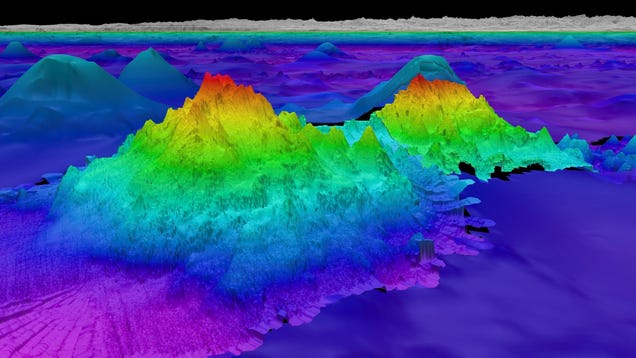
The crew of the Falkor (too) research vessel is at it again: In January, the team discovered four underwater mountains off the coast of Chile. The vessel has now identified 29 seamounts, hills, and trenches since 2012.
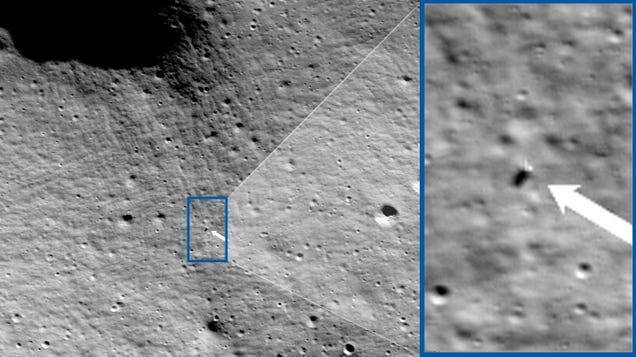
Following a less-than-perfect touchdown, the Odysseus lander has been spotted from lunar orbit while lying on its side on the surface of the Moon. The lunar lander also beamed back its first images from the Moon as it fights to stay alive before it runs out of power.
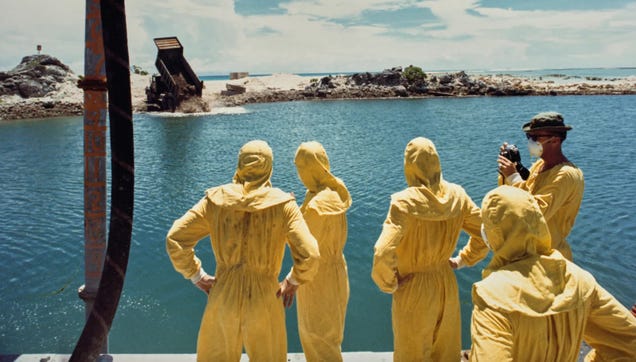
This story was originally published by Grist. Sign up for Grist’s weekly newsletter here.
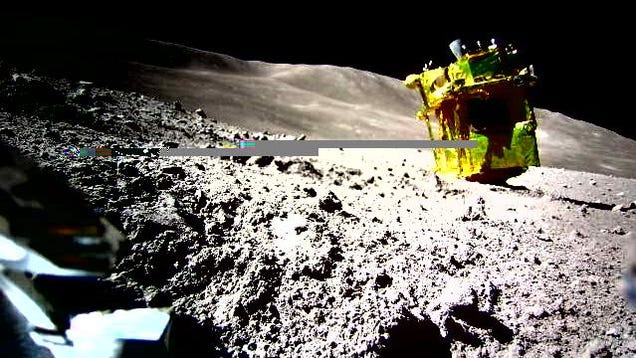
The SLIM lunar lander unexpectedly sprung back to life after hibernating during the freezing lunar night, sending a signal back to Earth more than a month after ending up face down on the Moon.
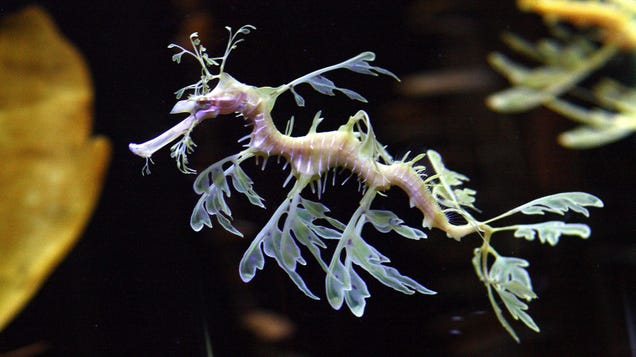
A paramount rule of the animal kingdom is not to be seen unless you want to be. It goes for predators as much as prey: going unnoticed means surviving longer, either because it allows you to catch food or keeps you from becoming it. Here are some of the more creative ways that natural selection has produced effective…
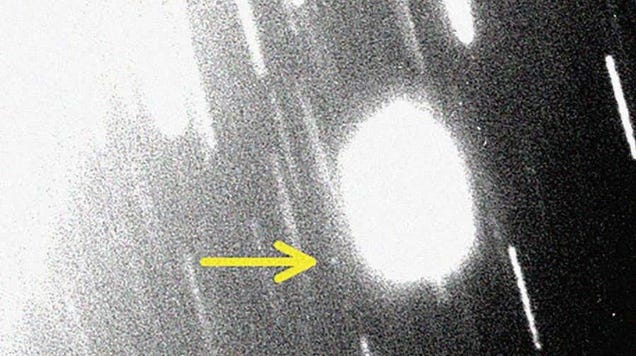
Astronomers found a new moon orbiting Uranus, as well as two around Neptune. The tiny satellites appeared as faint specks in the outer reaches of the solar system following hours of ground-based observations.