

The aluminum canister containing bits of an ancient space rock has finally been opened, revealing the bulk of the asteroid Bennu sample in all its glory.
The aluminum canister containing bits of an ancient space rock has finally been opened, revealing the bulk of the asteroid Bennu sample in all its glory.
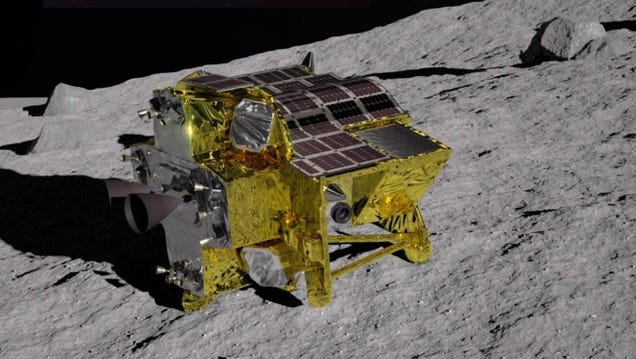
Japan’s space agency, JAXA, achieved a historic soft landing with SLIM on Friday morning, but the lander ran into instant trouble by not being able to collect solar energy and generate electricity. Hopeful for some westerly sunshine, JAXA is cautiously optimistic that SLIM could spring back to life in a couple of…
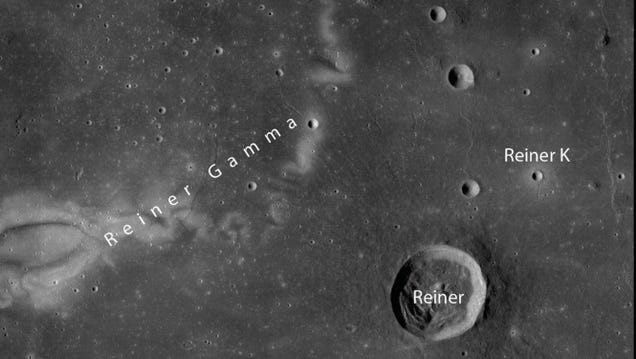
Scientists scrutinizing the fine dust covering the Moon have identified a handful of boulders on the lunar surface that they believe may be covered with uniquely magnetized dust.
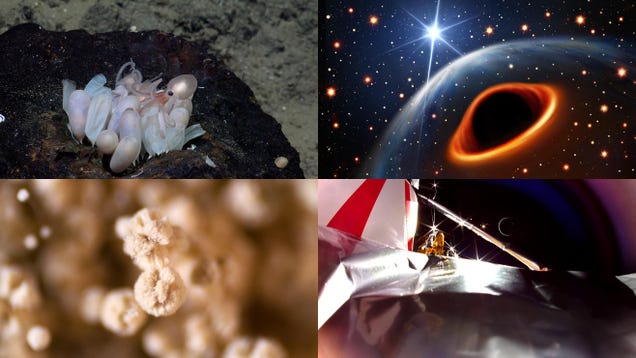
Meet the dorado octopus, a newly described deep sea cephalopod with some seriously alien features. A remotely operated vehicle took incredible images of this species and its habitat, including just-hatched babies and a field brooding females. Click through for our top science stories from this week.
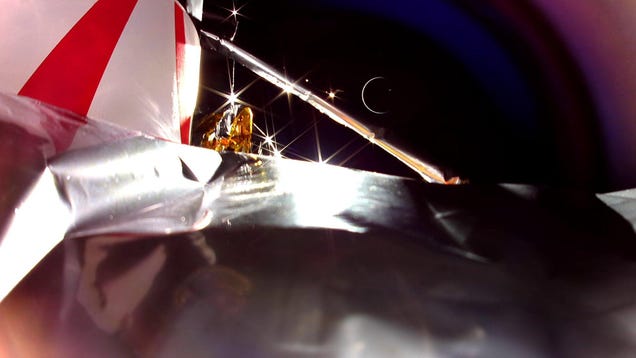
Astrobotic bid farewell to its Peregrine lunar lander on Thursday as the spacecraft plunged through Earth’s atmosphere, thereby preventing the failed mission from colliding into other spacecraft.
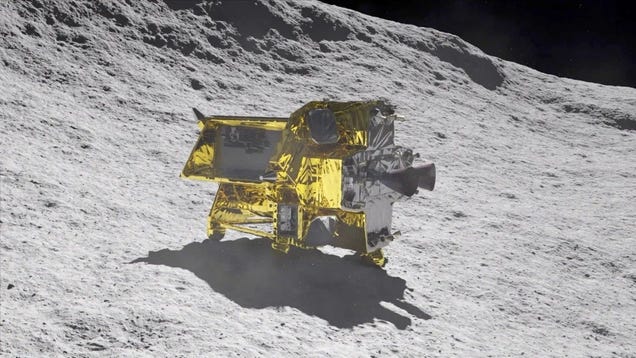
Japan’s SLIM is on the Moon and sending data to Earth, in what is a monumental achievement for Japan—it’s now the fifth country to accomplish the feat. The successful soft landing notwithstanding, the situation looks grim; officials with Japanese space agency JAXA say the lander’s solar cell is not generating…

In April 2023, SpaceX’s massive Starship rocket lifted off for the first time, sending chunks of debris thousands of feet across the South Texas landscape and sparking a fire in a nearby state park. It was an environmental nightmare; the launchpad is surrounded by a wildlife habitat that’s home to endangered species.…

This story was originally published by Grist. Sign up for Grist’s weekly newsletter here.

The earthquake that struck Turkey and Syria on February 6, 2023 caused widespread devastation and killed more than 50,000 people.
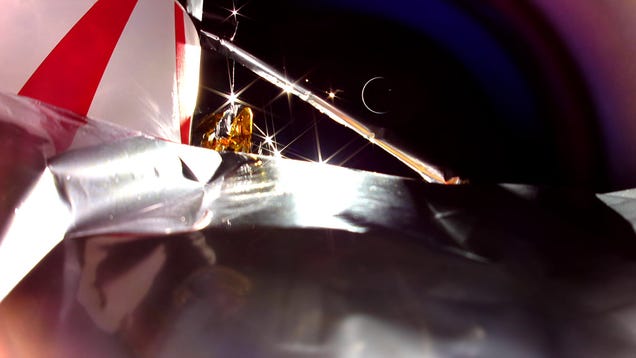
The saga of Peregrine is coming to a tragic end, with the lunar lander scheduled for reentry through Earth’s atmosphere after failing to touch down on the Moon.