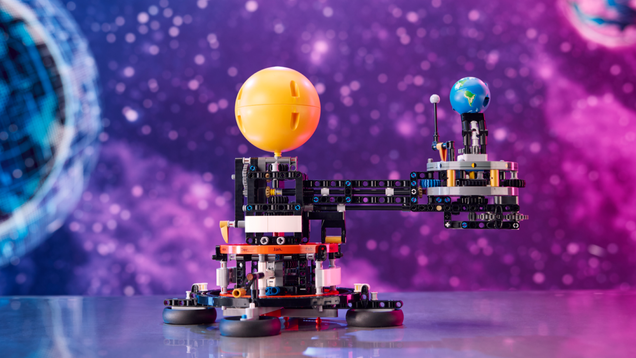
Lego’s Technic line of mechanical construction sets mostly sticks to vehicles—lots of cars, trucks, bikes, even the occasional plane.
Lego’s Technic line of mechanical construction sets mostly sticks to vehicles—lots of cars, trucks, bikes, even the occasional plane.
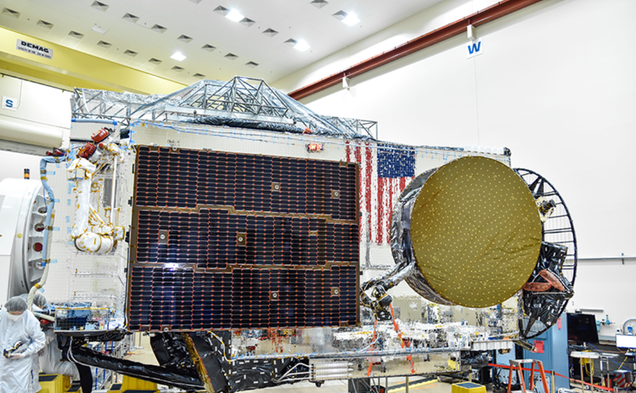
Following the launch of its next-generation satellite, Hughes Network Systems is now starting to offer faster internet speeds to compete with its main industry rival SpaceX.
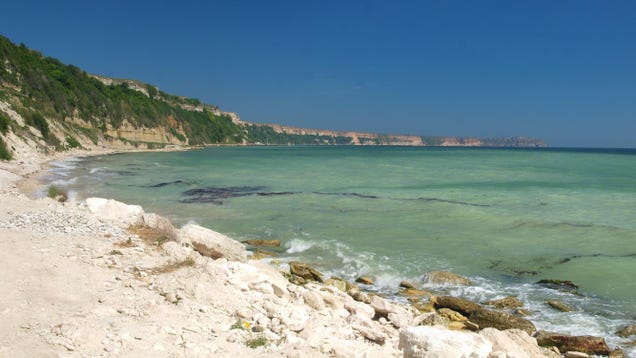
The largest lake in Earth’s history is now in the Guinness Book of World Records. The Paratethys—or Lake Paratethys, if you will—and contained 10 times more water than all of Earth’s modern lakes. In other words, it’s long overdue for its place in the Guinness Book.
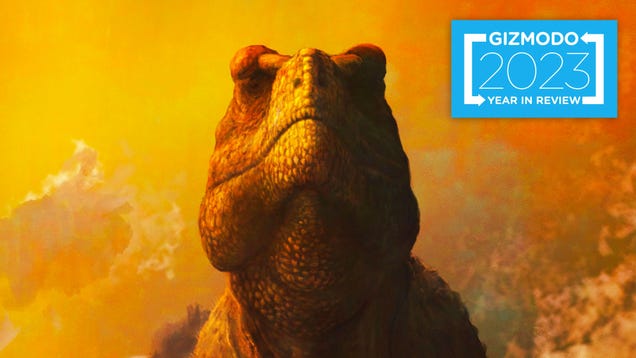
Dinosaurs’ reign on Earth ended explosively (and then dustily, as we’ll mention in this story) when an asteroid slammed into Earth some 66 million years ago. But the dinosaurs—and the diverse ancient creatures they shared the planet with—have kept many secrets locked away in their fossilized remains, secrets which…
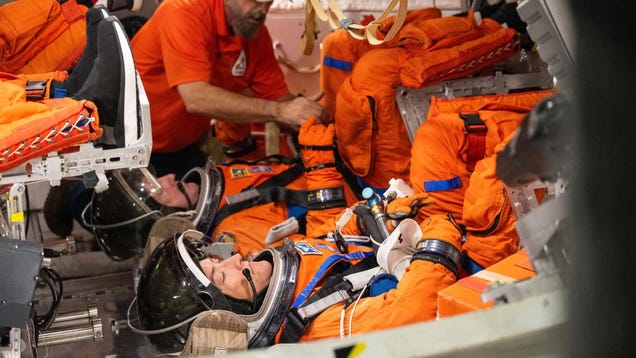
Four astronauts are getting ready to travel to the Moon and back for NASA’s Artemis 2 mission, and the space agency is making sure that the crew is well-prepared in case things go wrong during the 10-day journey through space.
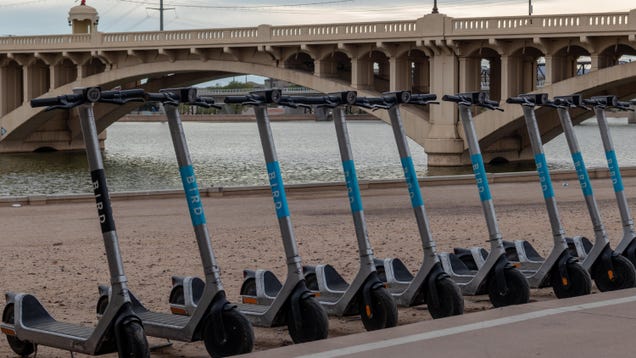
Electric scooter company Bird is flying south for the winter, and it might be a very different kind of fowl by the time it returns.

China’s Shenlong robotic spaceplane, on its third mission, has added a new layer of intrigue to its space activities by deploying six unidentified objects into Earth’s orbit.
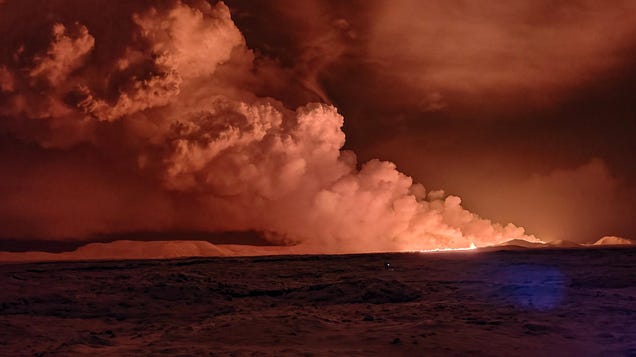
A trepidatious Iceland has waited for this moment for over a month: a large crack in the ground has started to spew up lava. In mid-November, hundreds of tremors—earthquakes that portended the eruptions to come—forced the evacuation of the nearby Icelandic village of Grindavík and at least one famous tourist…
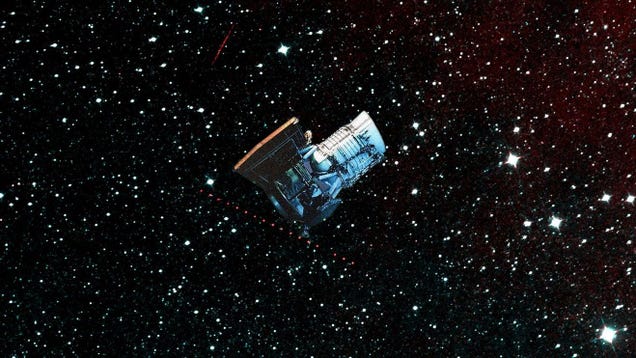
A diligent surveyor of the night skies, NEOWISE is sadly approaching its fiery demise as the Sun’s erratic outbursts are causing the infrared telescope to gradually fall out of its orbit before it eventually burns up in Earth’s atmosphere.