Gizmodo : Environment

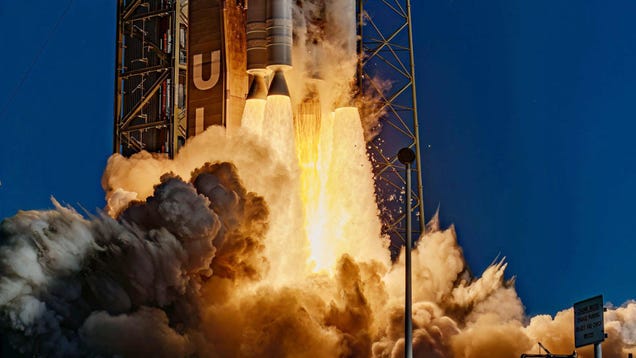
The summer season has ended, but spaceflight continues to be hot, with new views of our Moon and Jupiter’s moon Io, the much-anticipated return of an astronaut and an asteroid sample, and important new rocket engine tests, to name just a few of the many moments that captured our attention in September.
Read more...

Gizmodo : Environment

Nowhere is safe from microplastics. Tiny plastic pieces are in waterways, in our bodies, and now researchers have found microplastics in clouds on top of Mount Fuji and Mount Oyama.

Read more...

Gizmodo : Environment

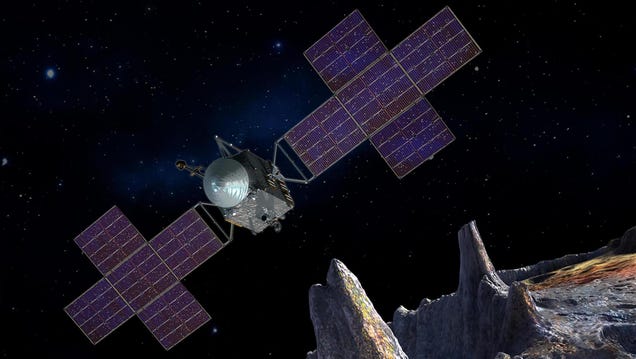
A week before it was set to launch to a distant metal rich asteroid, NASA’s Psyche spacecraft is forced to remain grounded until the space agency resolves an issue with its thrusters.

Read more...

Gizmodo : Environment

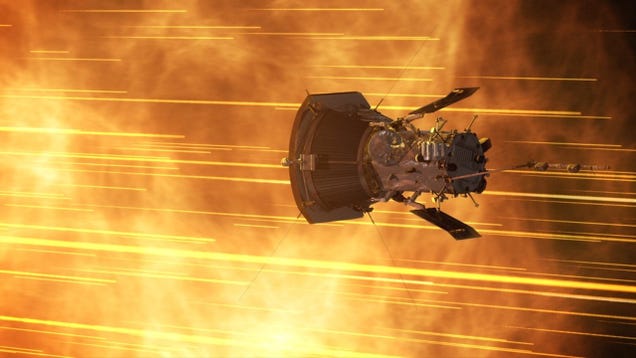
NASA’s groundbreaking Parker Solar Probe continues to set new milestones, diving continuously deeper towards the Sun, and offering insights into the star’s enigmatic atmosphere and how it affects space weather.

Read more...

Gizmodo : Environment

A team of researchers from around the world, led by Ohio State University, will be gathering data to create artificial intelligence-informed models to better understand the long-term impact of the climate crisis on biodiversity.

Read more...

Gizmodo : Environment

The Department of Agriculture (DOA) has confirmed that a local sighting of the invasive spotted lanternfly was reported on Sept. 16, marking yet another state it’s migrated to since the colorful insect was first sighted in the U.S. nearly a decade ago. The Department of Agriculture did not disclose the lanternfly’s…

Read more...

Gizmodo : Environment

The Chandra X-ray Observatory didn’t exist in 1838, when the Eta Carinae star system started to brighten as it ejected material in an event named the “Great Eruption.” But traces of the eruption remain, and a timelapse has now been created by compiling 20 years of the space telescope’s data to sho

Gizmodo : Environment

Extreme heat is deadly. Exposure to high temperatures can make people sick and eventually lead to heat exhaustion and heat stroke. But new research shows that rising temperatures come with other compounding dangers.

Gizmodo : Environment

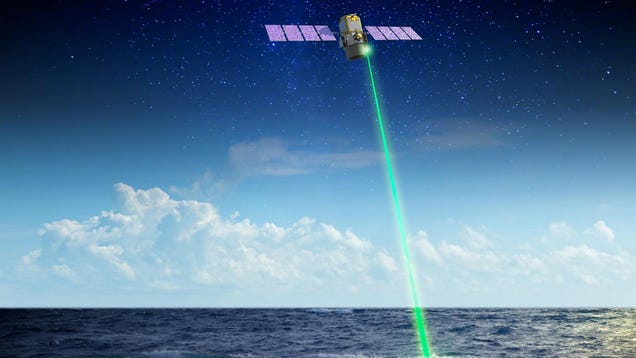
After blasting beams of energy through the clouds for the past 17 years, NASA’s lidar satellite mission came to an end this past August, the agency has revealed.

Read more...