
Becky Bohrer, File/Associated Press
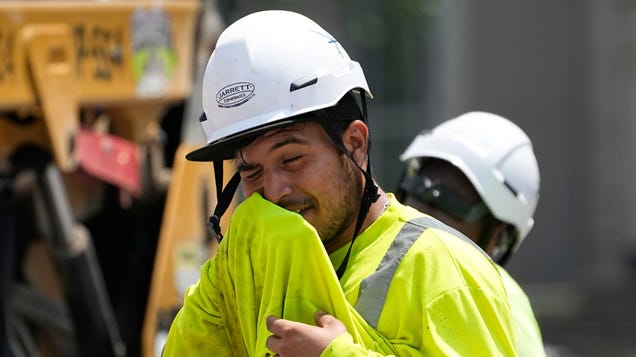
The climate crisis is raising summertime temperatures, and the sky-high heat is straining electrical grids and healthcare system

Amazon is building a facility in Florida for Project Kuiper, which aims to launch a projected 3,236 satellites into Earth’s low orbit. The company will build the $120 million facility at Space Florida’s Launch and Landing Facility (LLF) at Kennedy Space Center.
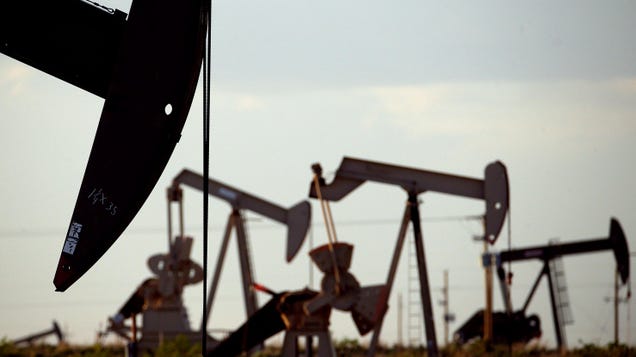
The Biden administration is working on modernizing the country’s oil and gas leasing program.

Solar Opposites already got its stickiest business out of the way last month, announcing Dan Stevens would be voicing Korvo—taking over after Hulu cut ties with Justin Roiland—and releasing a clip that offered a sci-fi r
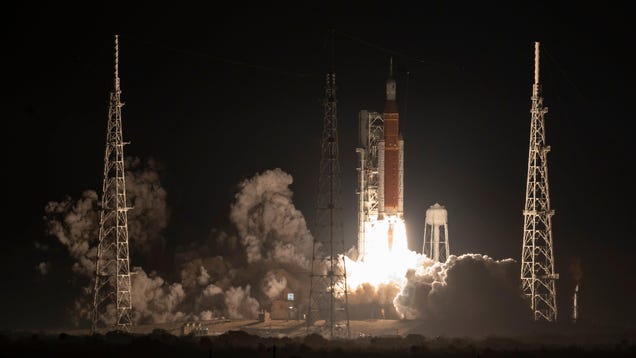
The majority of the American public seems largely concerned with the threat of incoming asteroids, believing that NASA should prioritize the monitoring of rocky objects that could hit Earth over going to the Moon or Mars, according to a new survey.
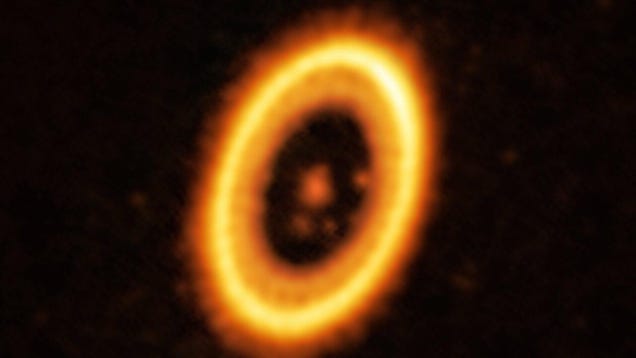
A group of radio telescopes in the Chilean desert was aimed at a young star system 400 light years away when it detected something unusual: a cloud of debris chasing a planet along the same orbit. The debris could be a planet in the midst of being born or the remains of one that already exists, making this the first…
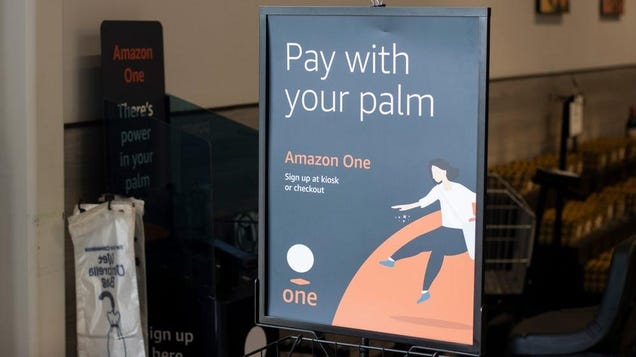
Amazon is rolling out its palm recognition program at more than 400 locations across the U.S. and is currently available at 200 Whole Foods stores.
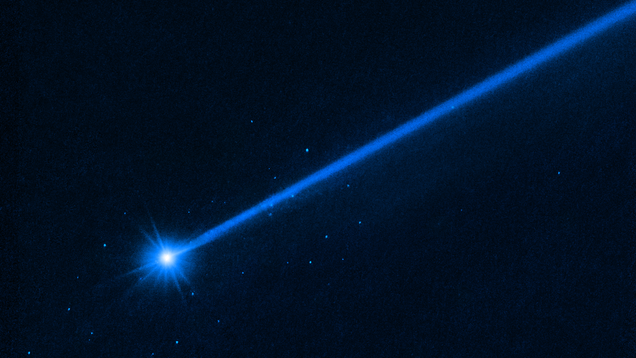
Astronomers using the Hubble Space Telescope have detected nearly 40 boulders near Dimorphos—the target of NASA’s wildly successful DART experiment to deflect a non-threatening asteroid. This isn’t exactly positive news, since it suggests that hitting a bona fide hazardous asteroid might create a cluster of possibly…
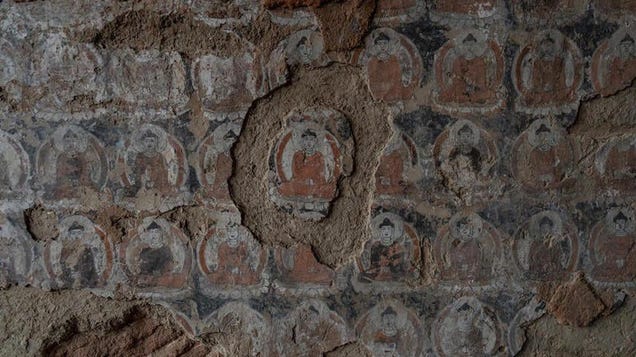
Buddhist murals in China that date back to the 4th century are being threatened by heavy rain and rapidly fluctuating humidity, Greenpeace experts said on Monday.