
This story was originally published by Grist. You can subscribe to its weekly newsletter here.
This story was originally published by Grist. You can subscribe to its weekly newsletter here.
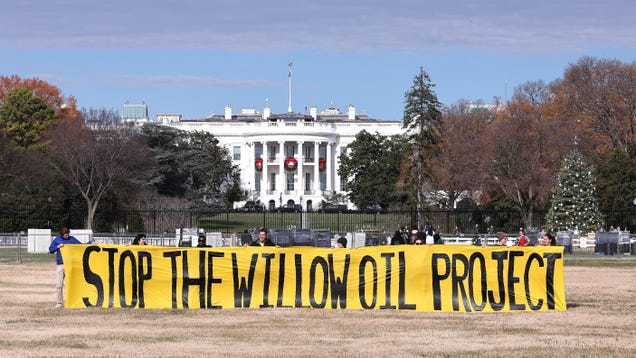
If you’ve opened TikTok recently, you may have seen a collection of videos under the hashtag #StopWillow, some of which have racked up hundreds of thousands of views, imploring people to take action against a controversial new oil project. (“There won’t [be] a healthy planet for your kids if Biden goes through with…
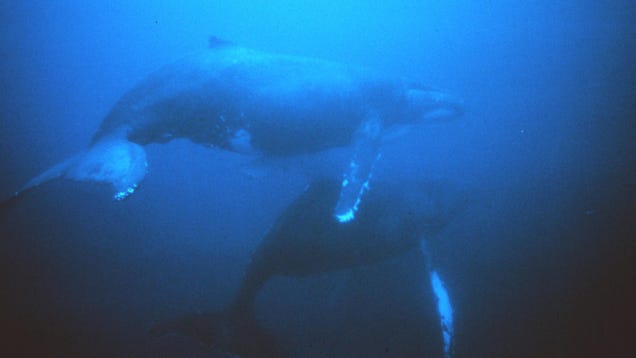
Earth is a blue planet, and this weekend yielded good news for our world’s plentiful marine environments. Leaders from more than 190 nations around the world came together on Saturday night to establish a long-awaited, global agreement to protect the world’s oceans.
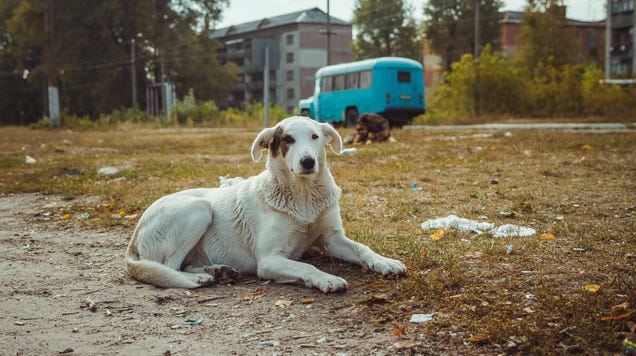
New research shines a light on how the Chernobyl disaster changed the DNA of the dogs that remained in the area. Scientists collected samples from hundreds of free-roaming canines in the exclusion zone and found that they were genetically distinct from dogs elsewhere in the world. The scientists are still exploring…
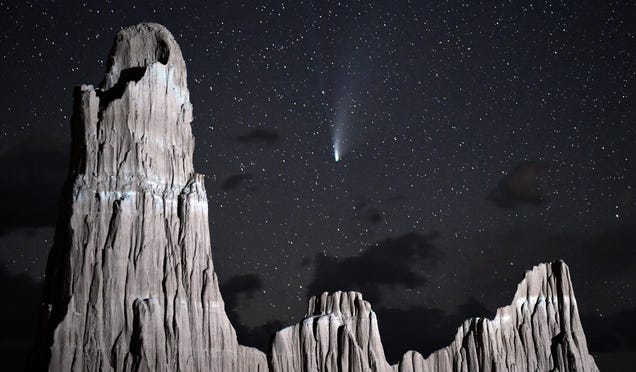
An incoming comet recently spotted by telescopes in China and South Africa could be as bright as a planet in the night sky next year, according to astronomers who studied the object.
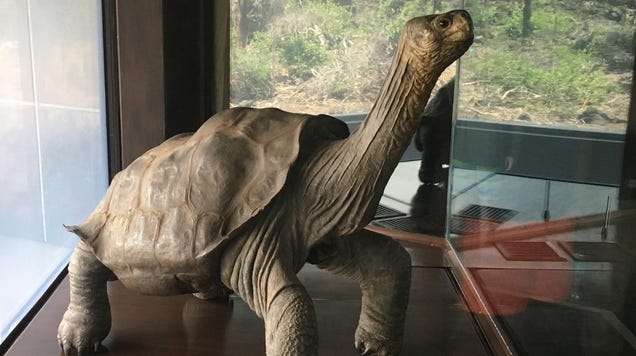
Extinction is an age-old song, one played so many times in Earth’s history that we regularly discover new species that died out in the ancient past. But only in the last century have humans generally been aware of the final member of a species, typically because the creature is held in captivity.
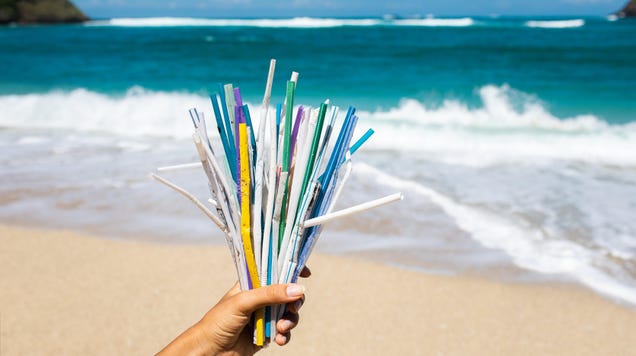
As the war on plastic straws rages on, researchers in Korea have created a bioplastic alternative that is made out of potato starch and citric acid.
This story was originally published by Grist. You can subscribe to its weekly newsletter here.
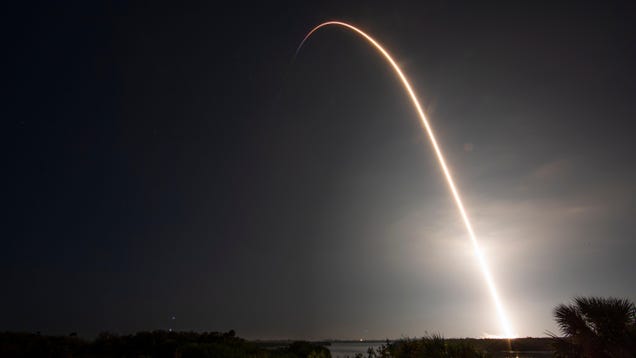
The rapidly rising number of space launches could pose a new threat to Earth’s critical ozone layer, according to a growing body of scientific research.