
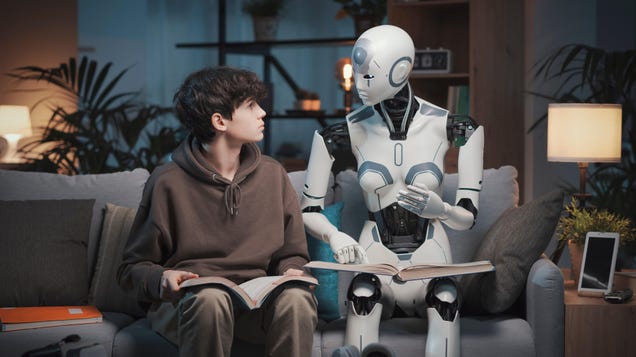
On Monday, ChatGPT-maker OpenAI announced it was starting to roll out voice and image recognition in ChatGPT. Essentially, the AI can recognize a picture for what it is, and communicate with users about it.
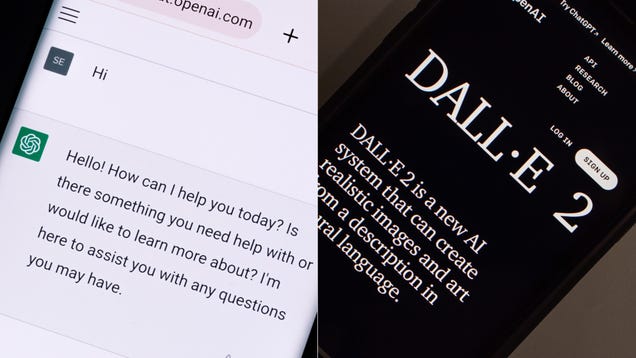
As Big Tech continues to jam every half-baked piece of artificial intelligence into every other over-baked piece of software, OpenAI has come full circle. The AI company behind ChatGPT is placing the wildly popular chatbot into the next version of its image generation tool.
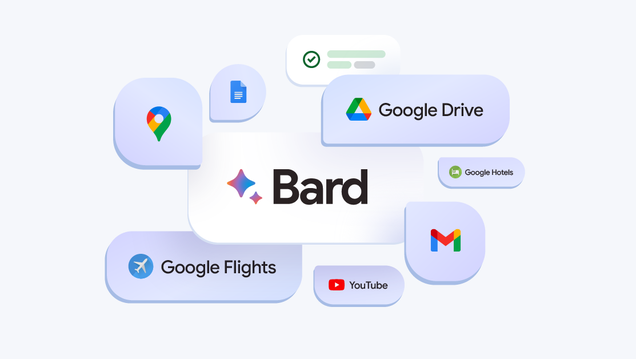
Google announced a supercharged update to its Bard chatbot Tuesday: The tech giant will integrate the generative AI into the company’s most popular services, including Gmail, Docs, Drive, Maps, YouTube, and more.
If you’re behind on what’s happening with the robot uprising, have no fear. Here’s a quick look at some of the weirdest and wildest artificial intelligence news from the past week.
Authors are suing Meta for allegedly using their works to train its Llama artificial intelligence software, according to a class action lawsuit filed on Tuesday.
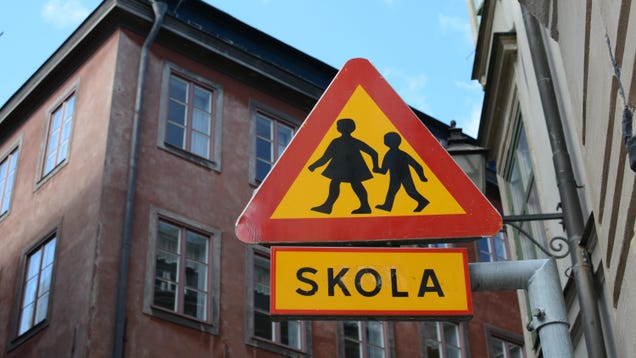
In an era of misguided technological innovation, teachers in Sweden are taking things back to basics. A movement in the country’s education system is emphasizing analog technology like actual books and handwriting in a bid to make education more effective.
Meta is reportedly building an advanced AI model equating to the efficiency of OpenAI’s language model, GPT-4.
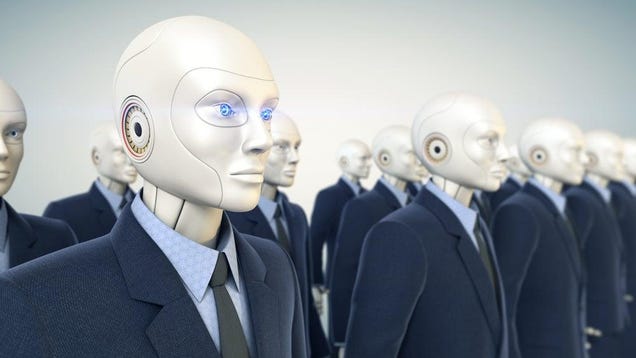
If you’ve ever had the privilege (or curse) of listening in on a corporate earnings call, you probably noticed that the executives behave a little mechanically.

ChatGPT’s explosion in popularity may have been short-lived as the number of website visits dropped for the third consecutive month, according to data released by Similarweb on Thursday.