
NASA/JPL-Caltech/ASU
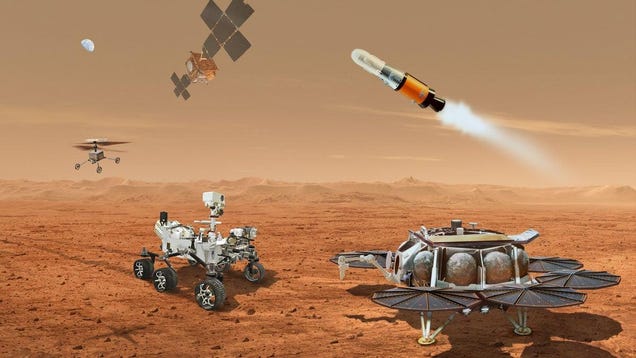
NASA is calling on industry players to come up with an alternative plan to return rocky samples from Mars at a lower cost and an earlier date.
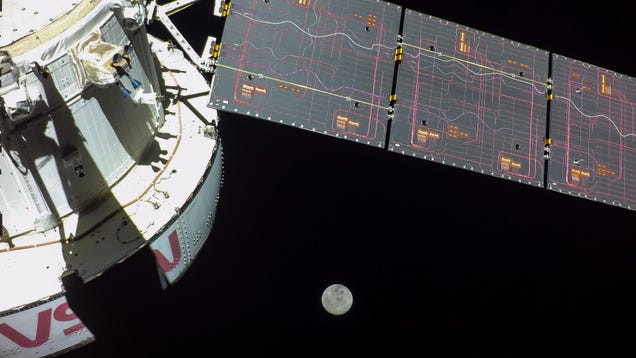
In an agreement confirmed earlier today, Japan will tap one of its astronauts to join an upcoming NASA Artemis mission to the Moon. Should it happen, that would make the unnamed Japanese astronaut the first first non-American astronaut to land on the lunar surface.

After months of sending unusable data to mission control, there’s finally hope for the Voyager 1 spacecraft. NASA engineers pinpointed the cause behind the mission’s odd anomaly, and think they can help the interstellar probe make sense again.

NASA and its international partners have big plans when it comes to the Moon—plans that will require the careful synching of Earth-based clocks with those on the Moon. The White House wants NASA to develop a solution to support the Artemis program, but to also maintain the United States’ leading position in the global…

A trio of commercial space ventures has been tasked with designing a lunar terrain vehicle for the upcoming Artemis missions to the Moon, helping astronauts explore the south polar region as part of humanity’s return to the dusty satellite.
REUTERS/Adrees Latif
Dan Bartlett
Pitris/Getty Images