We knew 2024 was going to be a landmark year in spaceflight, and judging by the wide range of developments in just the first month, we’re in for an extraordinary ride throughout the rest of the year.

We knew 2024 was going to be a landmark year in spaceflight, and judging by the wide range of developments in just the first month, we’re in for an extraordinary ride throughout the rest of the year.

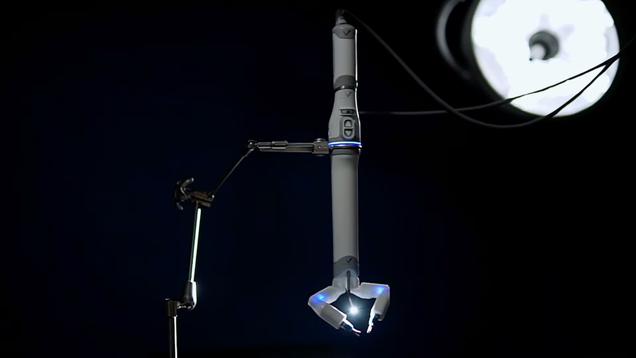
Earth orbit is getting its own space doctor in the form of a small cyborg arm reaching out for the scalpel. A surgical robot is launching to the International Space Station (ISS) to test its ability to slice through human flesh in a microgravity environment.

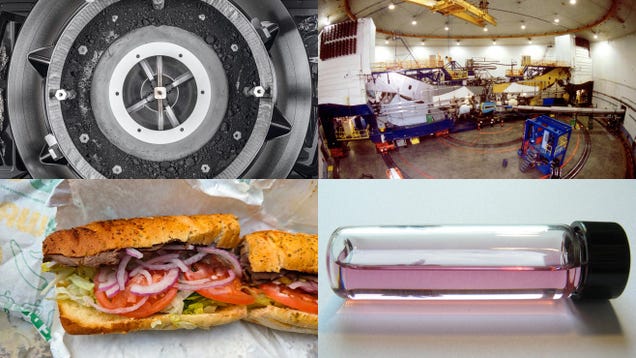
After months of fighting with two stubborn fasteners, NASA scientists finally cracked open the canister containing precious pieces of an ancient asteroid. Click through for our top science stories from this week.
NASA/JPL-Caltech/ASU

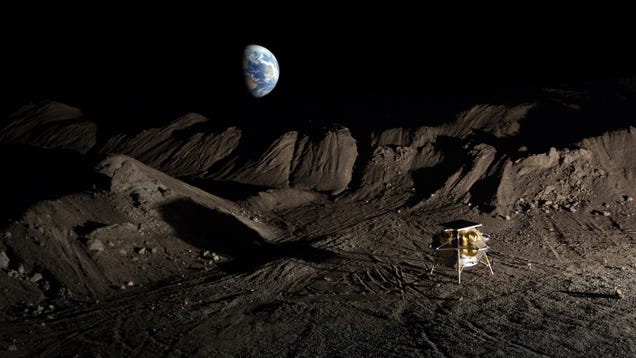
When NASA attempted to return to the Moon for the first time in 50 years on January 8, more was at risk than just $108 million worth of development and equipment. The agency earned the ire of the Native American Navajo people, who made a bid to stop the launch because of an unusual inclusion in the payload.
Lockheed Martin/Garry Tice/Handout via REUTERS
DESY, Science Communication Lab
NASA GSFC/CIL/Adriana Manrique Gutierrez/NASA, ESA, CSA, and L. Hustak (STScI)
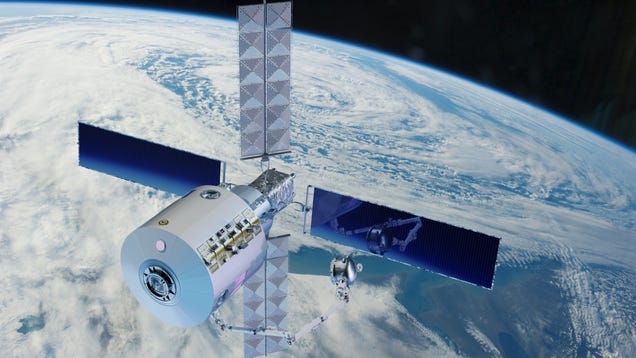
You can’t fly an inflatable module to space without bursting a few on Earth. Sierra Space watched its giant, 20-foot tall space station module explode in dramatic fashion, but the company wasn’t too stressed about it. In fact, it marked a successful test on the road to building the first commercial space station in…

The aluminum canister containing bits of an ancient space rock has finally been opened, revealing the bulk of the asteroid Bennu sample in all its glory.