
Li, et al., 2023
US Department of Defense/Navy Times
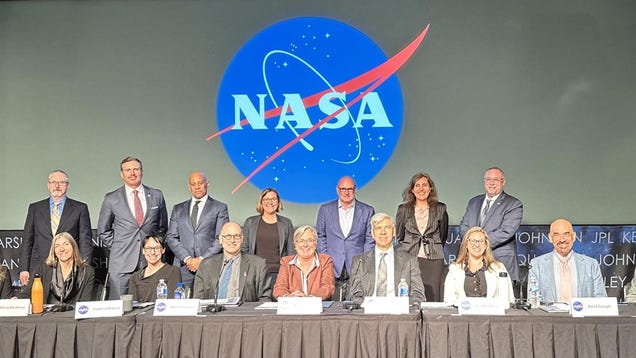
NASA wrapped up a year-long investigation into hundreds of sightings of Unidentified Anomalous Phenomena (UAP), and its independent study team released a 36-page report that was largely inconclusive. The space agency is not letting up, however, assigning a director of research into the unidentified phenomena and…
MediaProduction/ Getty Images
NASA, CSA, ESA, J. Olmsted (STScI)
NASA/Insider
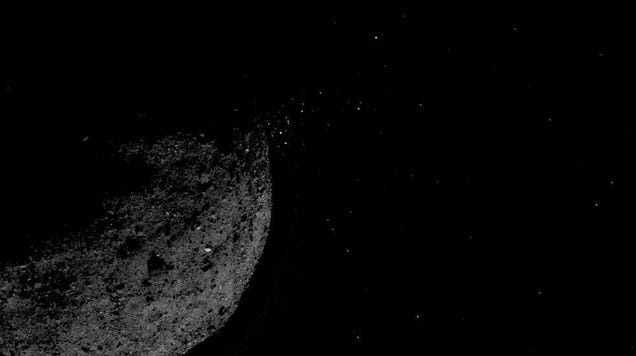
A mighty spacecraft is headed towards Earth, carrying rock and dust from a distant asteroid to hand off to eager scientists waiting to analyze the precious sample. The OSIRIS-REx mission recently fired its thrusters to set itself on a course towards the sample drop-off site, with its rendezvous on Earth scheduled for…
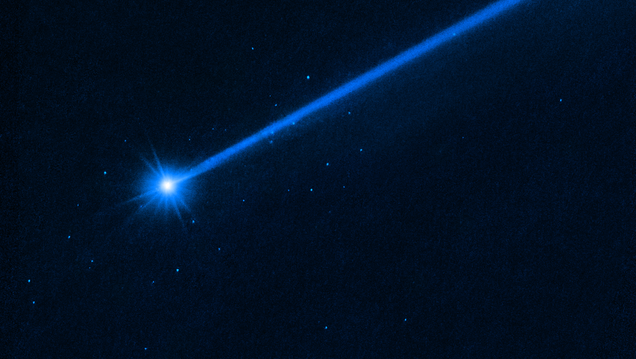
After the successful impact of NASA’s DART mission on the Dimorphos asteroid, scientists have encountered a series of unexpected outcomes, the latest being the unanticipated lengthening of the asteroid’s orbital period around its larger partner, Didymos.
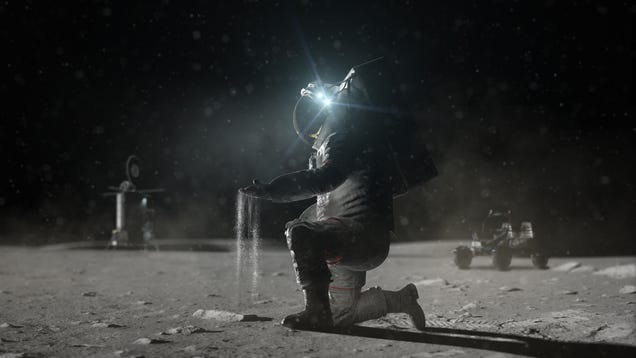
A new decadal survey from the National Academies of Sciences, Engineering, and Medicine just dropped, and establishing a sustained human presence off-Earth is on the docket.