
NASA/Goddard Space Flight Center/Arizona State University; Insider
Centre for Operation of Space Ground-Based Infrastructure-Roscosmos State Space Corporation via AP
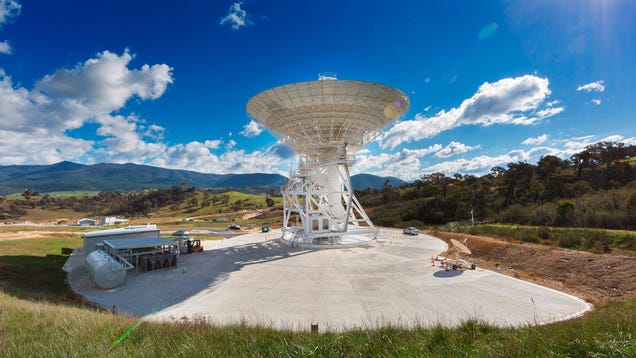
In order to contact its interplanetary spacecraft, NASA relies on an array of giant radio antennas spread across different parts of the world. The trusty communications network has been transferring data back and forth for more than 60 years but its antennas are currently operating at capacity, with an anticipated…
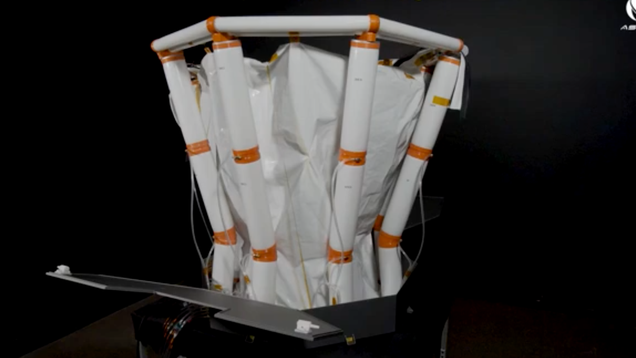
Picking up the trash in space could be as easy as stuffing pieces of defunct spacecraft into a giant bag, closing it up, and tossing the pesky space junk into an orbital recycling plant. At least that’s what space startup TransAstra hopes to do with its inflatable capture bag.
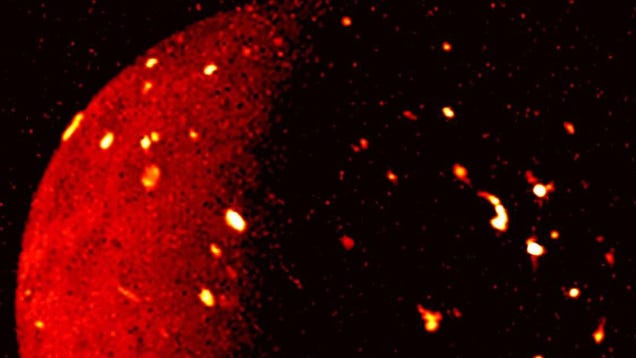
Jupiter’s orbit is swarming with nearly 100 moons, but none are as hardcore as the volcanic world Io. That’s why it’s going to take an iconic collaboration to truly probe the odd satellite in order to unravel its many mysteries.
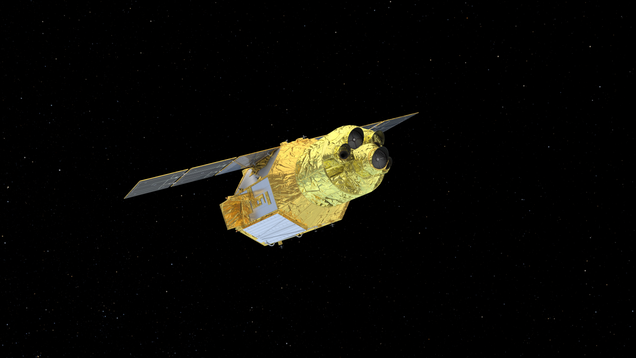
A revolutionary satellite is preparing to take to the skies, viewing the hidden parts of cosmos in a new light to reveal stellar explosions and powerful jets streaming from supermassive black holes.
Kel Elkins, Trent Schindler, and Cindy Starr/NASA's Scientific Visualization Studio
ESA & NASA/Solar Orbiter/EUI Team; acknowledgement: Lakshmi Pradeep Chitta, Max Planck Institute for Solar System Research, CC BY-SA 3.0 IGO
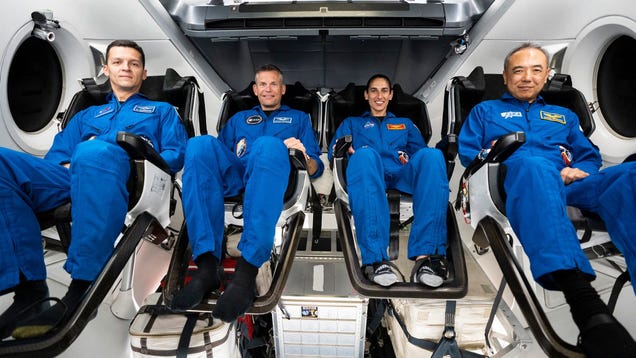
NASA is getting ready to launch the next crew of astronauts to the International Space Station (ISS) after SpaceX’s Dragon spacecraft was declared a “go” for launch earlier this week.
NASA