
NASA, ESA, CSA, JWST Ring Nebula Team photo; image processing by Roger Wesson
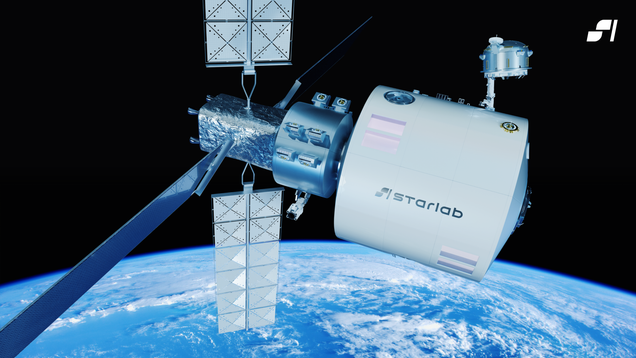
Colorado-based company Voyager Space is collaborating with Europe’s Airbus to build a commercial space station in low Earth orbit that will succeed the International Space Station (ISS) following its retirement.
NASA/JPL-Caltech
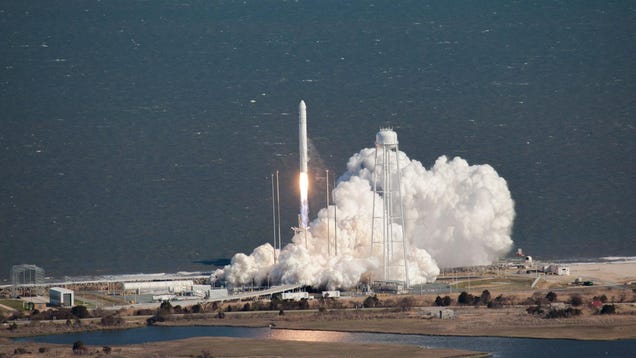
Update: August 2, 8:45 a.m. ET: Northrop Grumman successfully executed its 19th resupply mission (NG-19) to the ISS under NASA’s Commercial Resupply Services-2 contract, using the company’s Antares 230+ rocket. The launch vehicle blasted off at 8:31 p.m. ET, sending the Cygnus cargo spacecraft, named S.S. Laurel Clark…
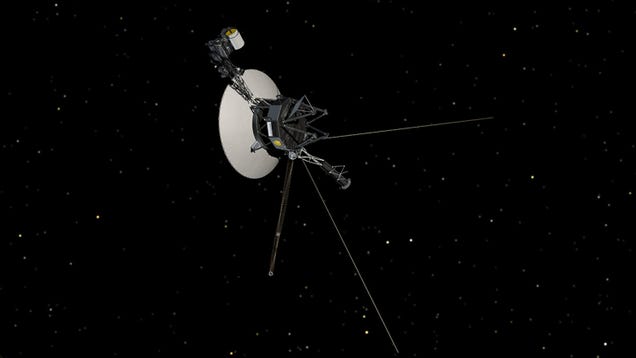
NASA’s Voyager 2 spacecraft, currently 12.4 billion miles (19.9 billion kilometers) from Earth, has phoned home, essentially telling mission controllers that the recent rumors of its impending death have been greatly exaggerated. The ongoing communications problem, however, remains unresolved.
NASA/JPL
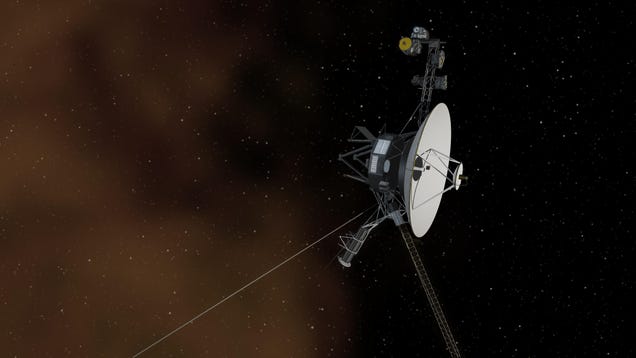
A routine sequence of commands has triggered a 2-degree change in Voyager 2’s antenna orientation, preventing the iconic spacecraft from receiving commands or transmitting data back to Earth, NASA announced earlier today.
NASA/JPL/Insider
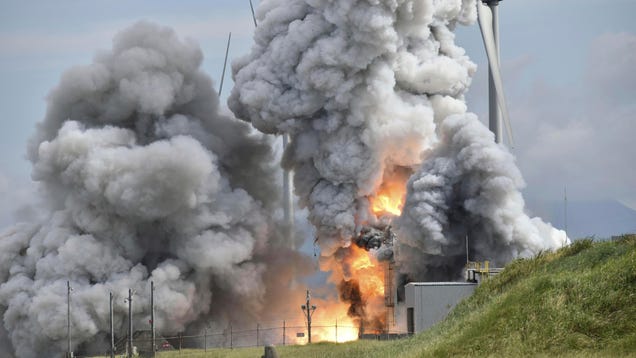
It was another bustling month for spaceflight, the dog days of summer are blazing with the added heat from botched engine tests and a trove of fiery rocket launches. As always, the past month of spaceflight presented a plethora of captivating visuals.
Drew Angerer/Getty Images