Gizmodo

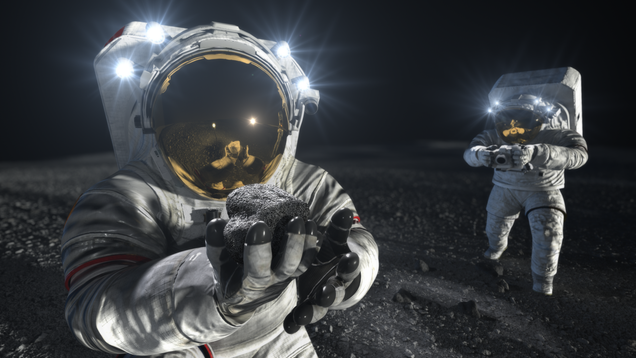
It’s been more than 50 years since astronauts first left their dusty footprints on the lunar surface, but humanity is finally going back to the Moon as part of NASA’s Artemis program. A lot has changed since the days of Apollo, which will likely be reflected in the new suits donned by those making the trip to the Moon…

Gizmodo

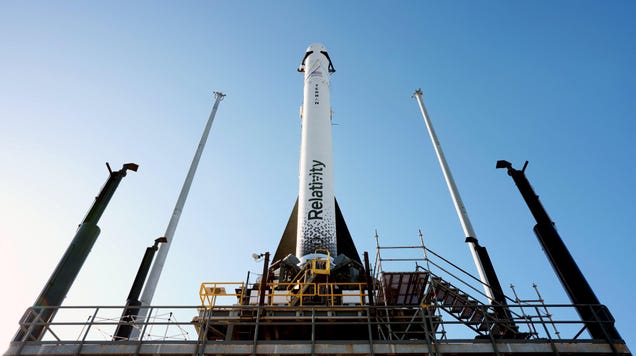
In 1962, John Glenn became the first U.S. citizen to orbit the Earth, riding into space on board the Friendship 7 capsule, which took off from Cape Canaveral’s Launch Complex 14. More than 60 years later, that same old launchpad will be put to new use after being assigned to a private space venture to launch its…

Gizmodo

Update: 3:38 p.m. ET: Relativity Space gave it a royal try today, but ultimately chose to forgo the attempt. No reason was given for today’s scrub, nor do we know when the company might try again.

Read more...

Gizmodo

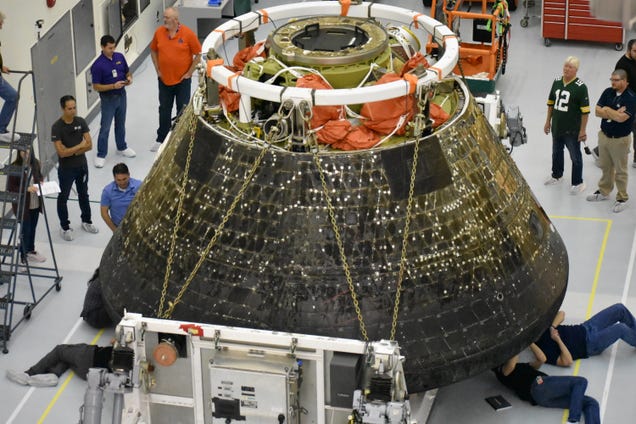
Orion set several records during the Artemis 1 mission to the Moon, in addition to surviving 5,000-degree Fahrenheit temperatures during atmospheric reentry. The spacecraft’s innovative heat shield made this possible, but NASA’s follow-up analysis of the protective layer has revealed levels of wear and tear that…

Gizmodo : Environment

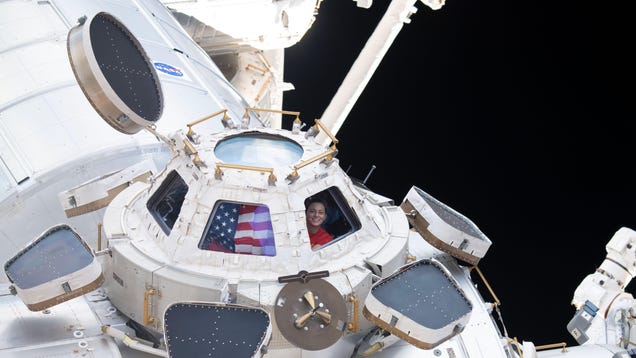
Earlier this week, the International Space Station was forced to adjust its orbit to avoid an encroaching commercial satellite. The object is likely one of many Earth-observing satellites that are falling into and aligning with the space station’s orbital path, according to experts.

Read more...

Gizmodo : Technology

Elon Musk doesn’t have a great track record of saying things that then come true. Or, put another way, he loves to make promises and then break them. Or, put yet another way: the man is full of it. For instance, he’s repeatedly said his biotech device company, Neuralink, is nearing human trial approval. Spoiler…

Gizmodo : Environment

Most computer glitches can be resolved with a simple question, “Have you tried turning it off and on again?” It seems this simple instruction also applies to computers on board spacecraft orbiting thousands of miles away.

Read more...

Gizmodo

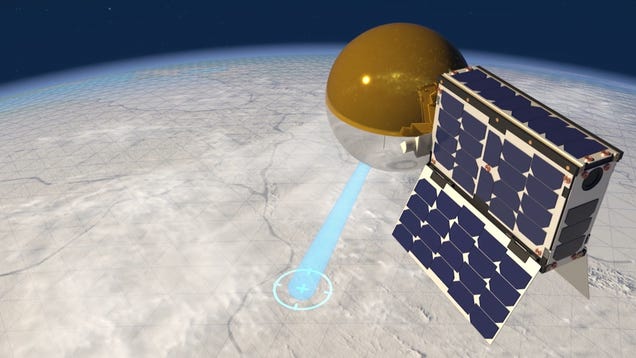
In an attempt to optimize communication in space across vast distances, a team of researchers from the University of Arizona will rely on a unique antenna for CatSat, a small satellite that will study the ionosphere. The antenna resembles a space-age beachball that can beam information to Earth at high speeds.

Gizmodo

The Ukrainian space agency is not too happy with the results of an investigation into the Vega-C rocket anomaly, which blamed a faulty part made in Ukraine for the mission failure.

Read more...

Gizmodo

Space is hard—even in 2023. The Japan Aerospace Exploration Agency, instead of celebrating the launch of its new H3 rocket, is now trying to figure out what went wrong during Monday’s failed flight.