
It didn’t last for very long, but the first full-scale static fire test of SpaceX’s Starship rocket appears to have been a success, despite the fact that two of the booster’s 33 Raptor engines did not participate in the demonstration.
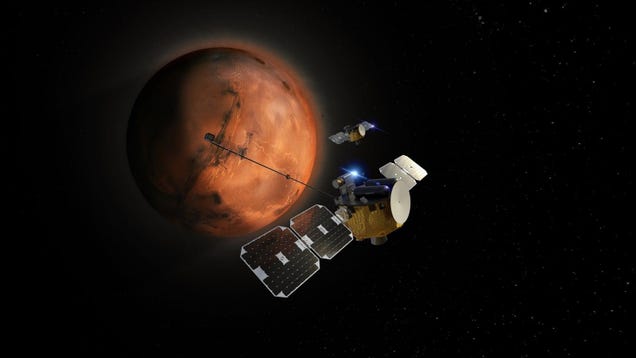
NASA’s interest in sending missions to Mars and beyond continues as the agency just tapped private space company Blue Origin to help it reach the Red Planet.

The Federal Communications Commission has granted approval to Amazon subsidiary Kuiper Systems to deploy its constellation of 3,236 broadband satellites. The approval comes with the caveat that Amazon must retire satellites seven years after deployment and report satellite launches to the FCC on a regular basis.
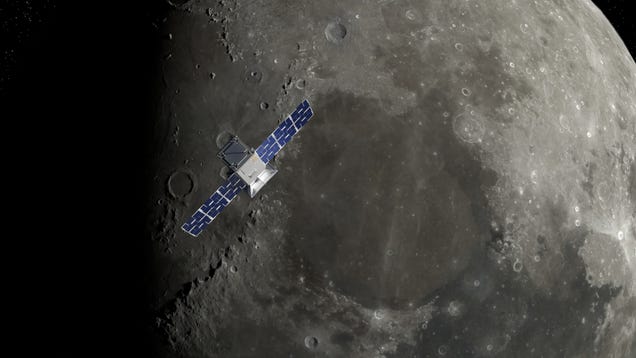
The NASA-funded CAPSTONE probe has been working in a unique lunar orbit since November 13, 2022, where it’s setting the stage for a future space station and related space-based technologies. The $33 million cubesat appears to be getting the job done—no small miracle, given the endless issues that continue to plague…
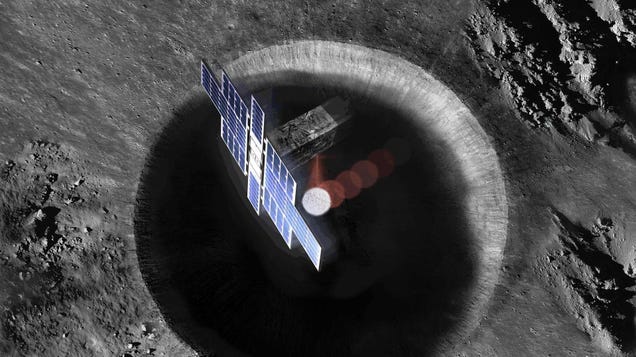
Lunar Flashlight’s journey to discover water ice on the Moon hasn’t been easy. NASA had to re-evaluate its original orbital plan on account of the probe encountering thruster performance issues and is now planning to move it to a high Earth orbit, from where the probe will only be able to scan the Moon once a month.
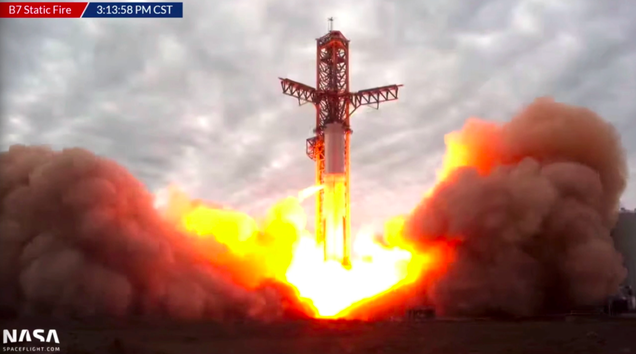
SpaceX performed the first full-fledged static fire test of its upcoming Starship megarocket on Thursday, but not every Raptor engine took part in the important exercise.
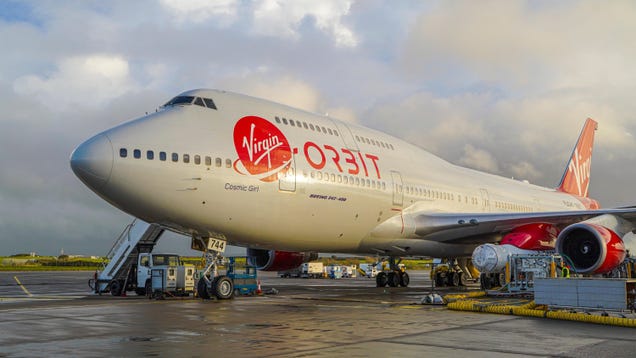
Last month, Virgin Orbit ran into trouble when its LauncherOne rocket crashed, destroying seven payloads on board in an attempt to deploy satellites in low Earth orbit. Now, the company suspects that the cause of the anomaly could have been a pesky filter that only cost around $100.
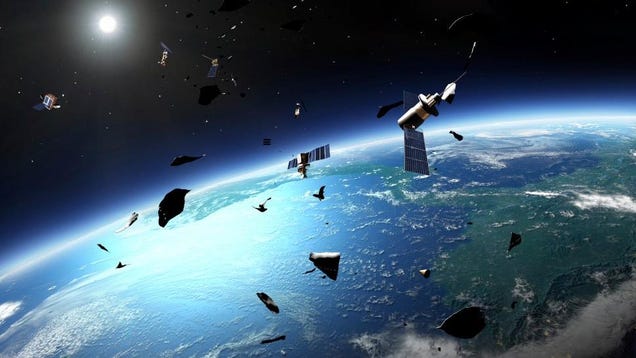
A mysterious Russian satellite that launched to space in 2014 has experienced its second breakup event. The cause of Kosmos-2499’s demise is unknown, and we may never find out the truth, given the satellite’s veiled and suspicious history.
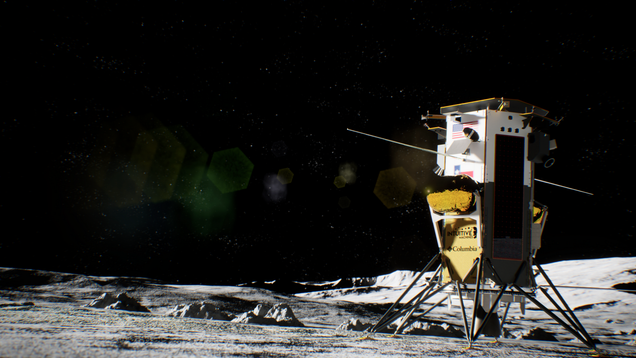
NASA is “redirecting” a private partner’s first mission to the lunar south polar region, and with very little time to spare. The company, Texas-based Intuitive Machines, is handling the new assignment with grace, saying it’s a “significant win” for the Artemis program.
A Falcon 9 lit up the Florida skies Monday night in what is now a very familiar scene.