
NASA/Flickr
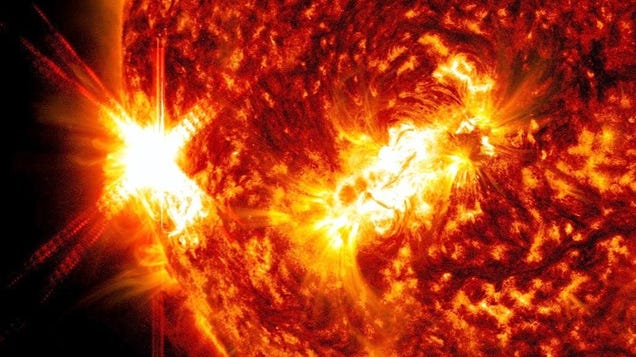
Earth’s host star can be quite temperamental, compelling astronomers to launch satellites and probes on missions to keep a close watch of the Sun’s massive flares. But instruments pointed towards the Sun have a tendency to acquire cloudy vision as the result of a mysterious layer that’s puzzled scientists for years.
NASA/SDO
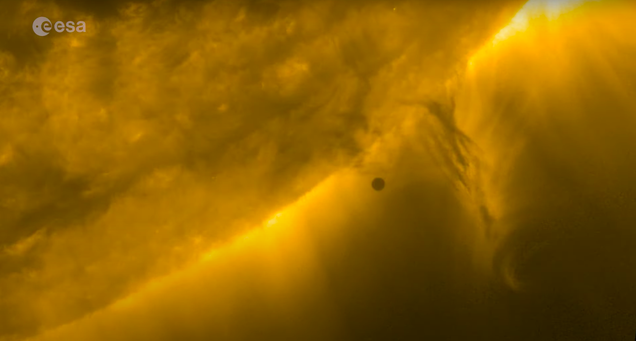
On January 3, the Solar Orbiter spotted Mercury passing in front of the Sun. The transit of the small, dark orb puts the scale of our solar system into sharp relief.
NASA Solar Dynamics Observatory