
Brian Inganga/AP
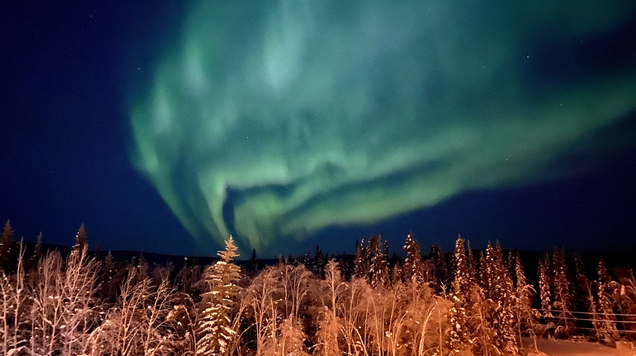
A strong geomagnetic storm will hit Earth tonight following a significant solar flare that occurred on Tuesday, NOAA’s Space Weather Prediction Center reported today.
Warren Faidley/Getty Images

Finally, a robot to tell you which jacket you should wear to the function. Google DeepMind, the search giant’s AI-centric brain trust, just announced a new weather forecasting model that beats traditional systems more than 90% of the time. Named GraphCast, the machine learning model promises 10-day predictions that…

Communities throughout the East Coast woke up to a cold blast of air, as temperatures dropped below freezing overnight. Even people in the overheated South needed to break out their warm-weather apparel today.

Temperatures are currently cooling down across the U.S., but much of the country is in for a warmer, wetter winter than usual, the National Oceanic and Atmospheric Administration said in this year’s winter outlook.
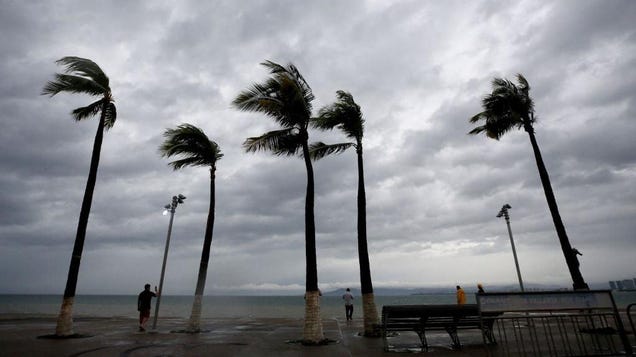
It’s no surprise that the climate crisis is fueling more intense weather, but new research shows how warming ocean temperatures are boosting tropical storms, causing hurricanes to become bigger and stronger at faster rates.
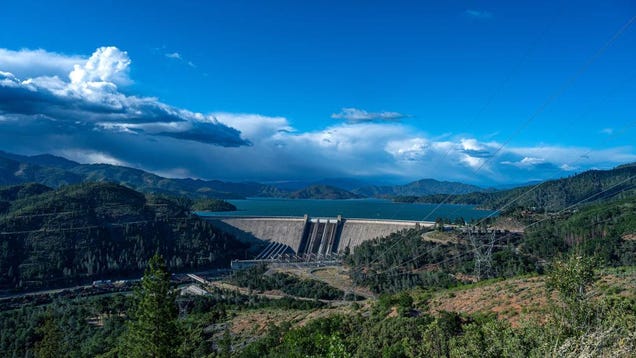
A stormy, wet year for California has brought its perilously depleted reservoirs back to life.

The ground beneath New York City is sinking and rising across different areas, new research shows. The sinking has contributed to worsening flood risks, including at sporting arenas, roadways, and a busy airport.