
Matt Harrison Clough for Insider
Anne-Marie Griger's job is to build big things — fields of solar panels that can power a city, forests of wind turbines as tall as sequoias. But to do it, she has to start small.
Matt Harrison Clough for Insider
Anne-Marie Griger's job is to build big things — fields of solar panels that can power a city, forests of wind turbines as tall as sequoias. But to do it, she has to start small.
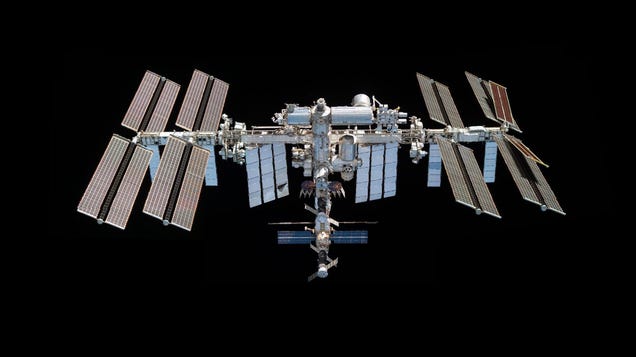
For astronauts living aboard the International Space Station (ISS), space germs are bad news. The confined environment, plus a weakened immunity system, and more aggressive bacteria, means that catching a cold in space is way worse than on Earth. In order to help stop the spread of viruses in space, Boeing developed…
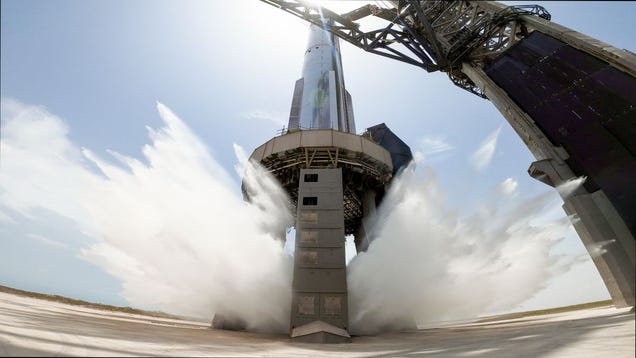
The U.S. Fish and Wildlife Service has finalized its environmental assessment of SpaceX’s new water deluge system, concluding that it’s no more dangerous than a seasonal rain shower. With that assessment out of the way, and with the Federal Aviation Administration (FAA) also satisfied with its own evaluation, the…
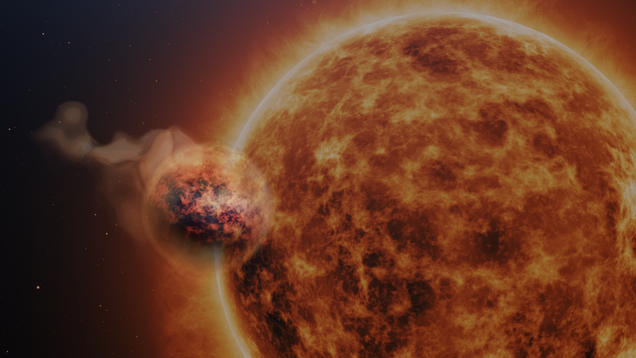
The Webb Space Telescope has revealed a world quite alien compared to our own: WASP-107b, a Neptune-like gas giant that orbits a star some 211 light-years from Earth. Webb has now detected water vapor and sulfur dioxide in the planet’s atmosphere, as well as sand-like silicate clouds.
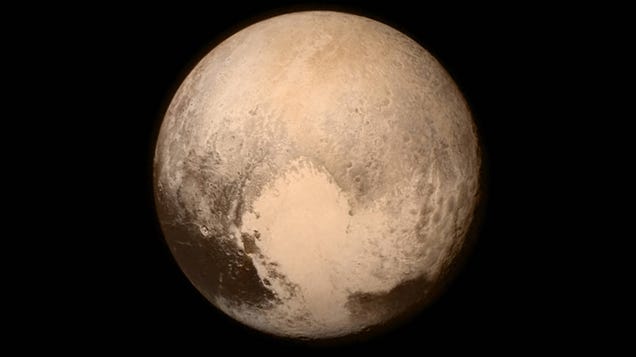
NASA has produced thousands of images over its illustrious 65-year history, but some images have had a far greater impact than others. Among this vast portfolio, certain images stand out for having reshaped our understanding of space and our place within it, capturing moments that have both ignited the collective…

New research this week is the latest to show that microplastics have polluted just about everywhere on Earth. Scientists discovered plastic particles in cloud samples collected from atop a mountain in Eastern China.
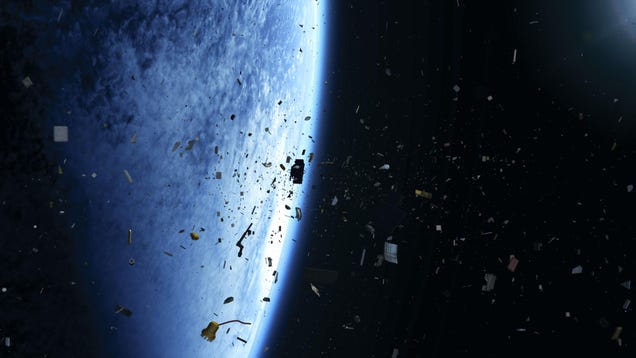
Earth’s orbit can be a chaotic place, with defunct spacecraft darting aimlessly across the dark skies. In order to tackle the growing issue of space debris, Airbus created a new device designed to keep satellites from tumbling around after they’re no longer of use.
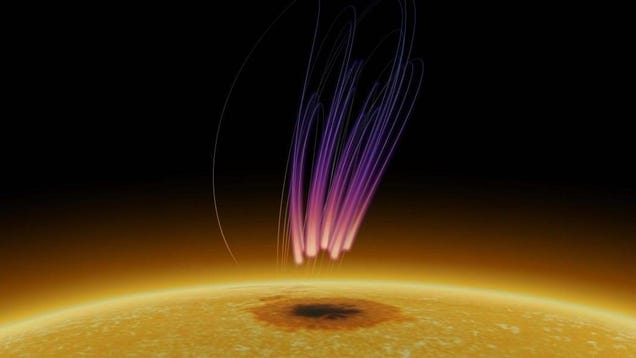
Radio emissions detected about 24,855 miles (40,000 kilometers) above a dark region on the Sun have aurora-like qualities, according to a team of astronomers that studied the emissions.
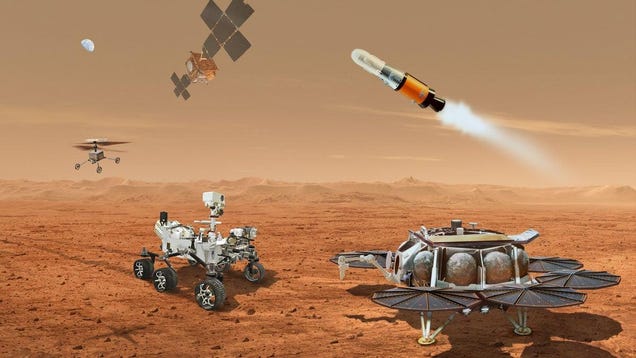
NASA is pulling back from its Mars Sample Return program (MSR) in order to develop a revised way of bringing the Martian rocks back to Earth after its original plan was deemed unrealistic.

Lockheed Martin is at the early stages of developing a nuclear propulsion system to power a spacecraft through the depths of the cosmos.