
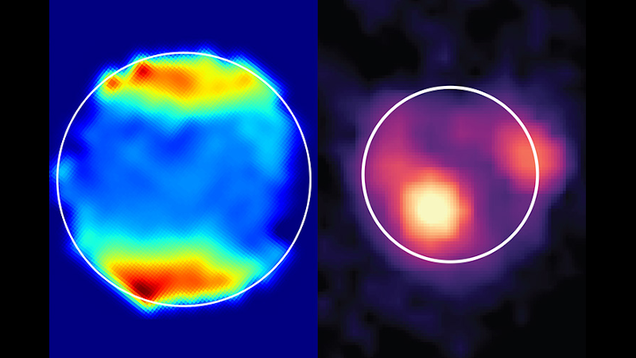
Two new studies associated with the James Webb Space Telescope’s Early Release Science program have been published, and both have to do with Jupiter’s moons, namely Ganymede and Io.
Two new studies associated with the James Webb Space Telescope’s Early Release Science program have been published, and both have to do with Jupiter’s moons, namely Ganymede and Io.

As NASA shifts its gaze back to the Moon and sets its sights on Mars and beyond in the coming decades, the agency is rethinking the means by which we’ll get there. After previously announcing a collaboration between NASA and the Defense Advanced Research Projects Agency (DARPA) for a nuclear-powered rocket intended…
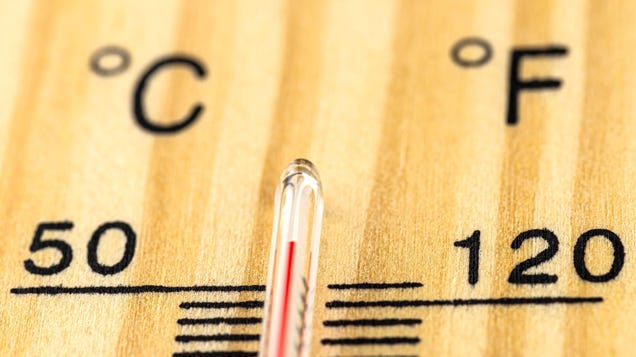
The global rise in extreme weather is likely to bring along more fatal heart attacks, new research this week suggests. The study found that exposure to heat waves and cold snaps was associated with higher odds of heart attack deaths. This associated risk was even greater on extreme heat days that also featured high…
Millions of tons of sargassum wash up on beaches across North America every year. Exposure can lead to breathing problems, and it costs millions to clean it up.
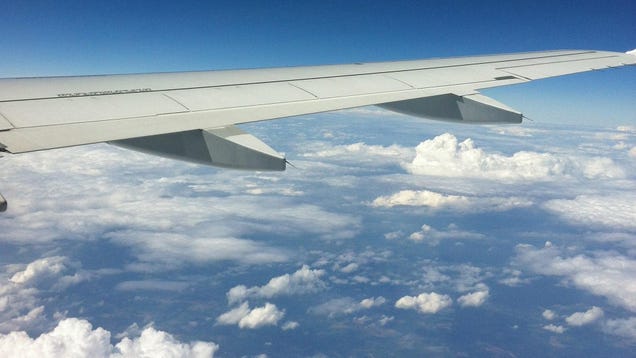
Flight tracking data may soon come from space with the design of a new aviation surveillance system that will rely on satellites in Earth orbit.
Getty
Google just published its 2023 environmental report, and one thing is for certain: The company's water use is soaring.

The prominent astrophysicist and musician Brian May is co-authoring a three-dimensional atlas of the near-Earth asteroid Bennu, an 85-million-ton hunk of rock orbiting the Sun.
A satellite in geostationary orbit ran into some trouble when the device meant to position its solar arrays towards the Sun malfunctioned, preventing it from being fully charged.
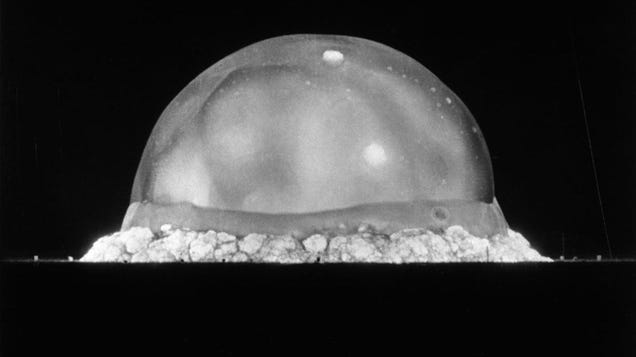
As millions of people head to the theaters this weekend to see Christopher Nolan’s epic Oppenheimer, a new study has been released that tracks the radioactive devastation wrought by the U.S. government’s first nuclear weapons test.
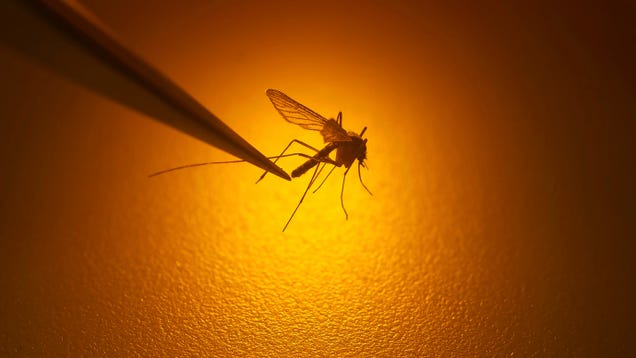
As the planet warms, mosquitoes are slowly migrating to higher places — and bringing malaria to populations not used to dealing with the potentially deadly disease.