
Sea Turtle Preservation Society
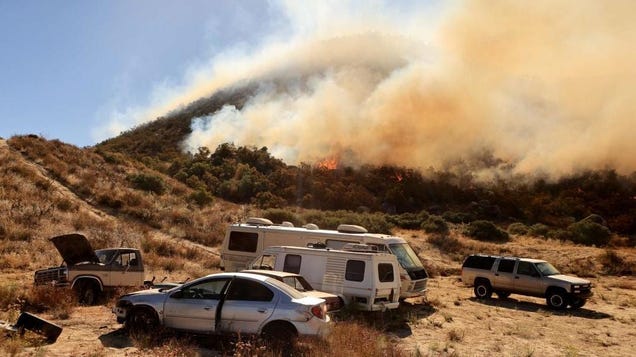
A wildfire in Southern California has burned more than 2,000 acres and prompted more than 4,000 people in Riverside County to evacuate.
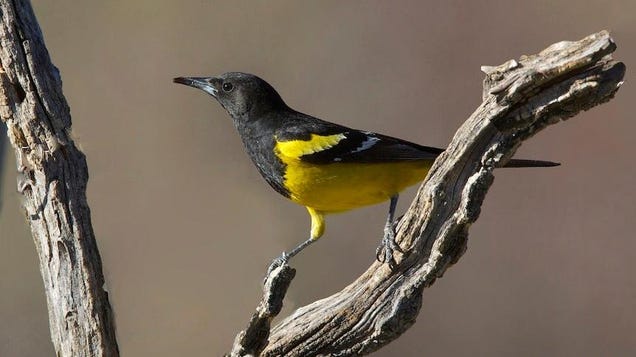
Say ‘see ya’ to Scott’s oriole, a black and yellow bird native to the Southwestern U.S. The bird isn’t going anywhere—but its moniker is to be nixed, along with the terms for many other birds named for individuals with less-than-illustrious histories.
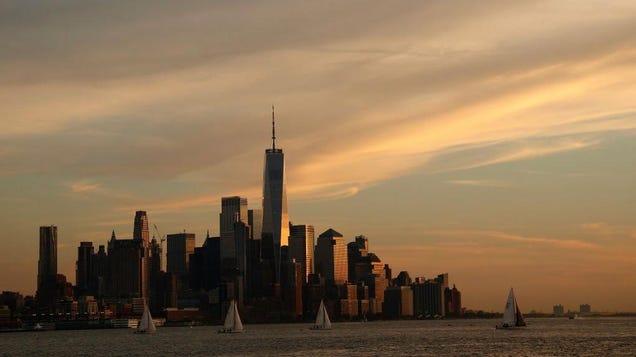
The climate crisis is making weather unpredictable. It’s hotter for longer and we’re seeing extreme precipitation changes. New research shows that, if we don’t lower emissions, climate change is going to boost water and power demand for cities facing these weather changes.
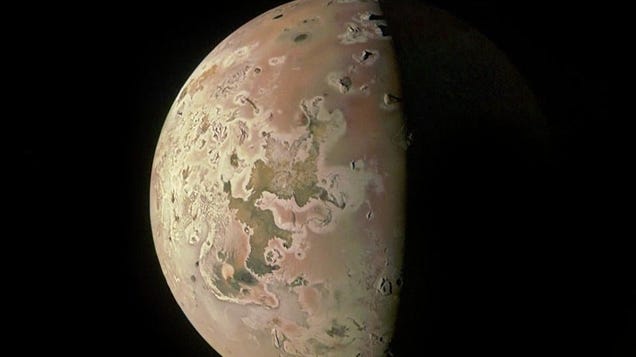
From capturing precious asteroid samples and exploring volcanic moons to navigating mysterious toxic blobs and portraying fictional Space Force battles, October was a captivating month in spaceflight and space exploration, as these images attest.
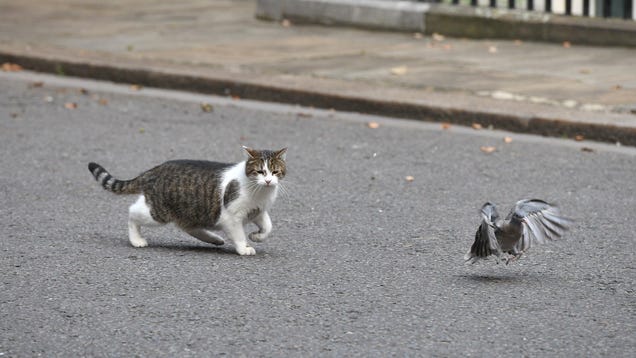
The first cats were domesticated thousands of years ago, but we still don’t seem to have much control over them. Many people let their cats come and go as they please, perhaps forgetting—or not caring—that domestic cats kill billions of birds and mammals each year. Over half of pet cats in the U.S.
This story was originally published by Grist. Sign up for Grist’s weekly newsletter here.

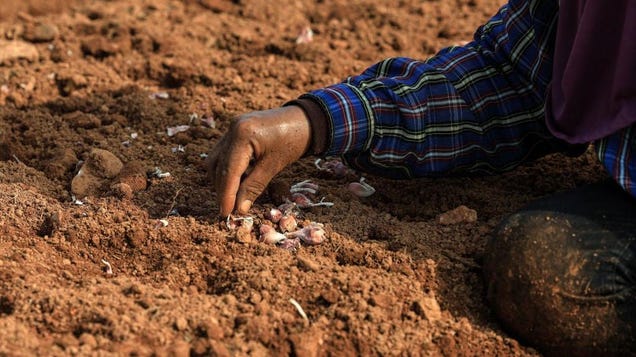
Global climate shifts this year are likely to disrupt food production throughout the world, straining food security worldwide.
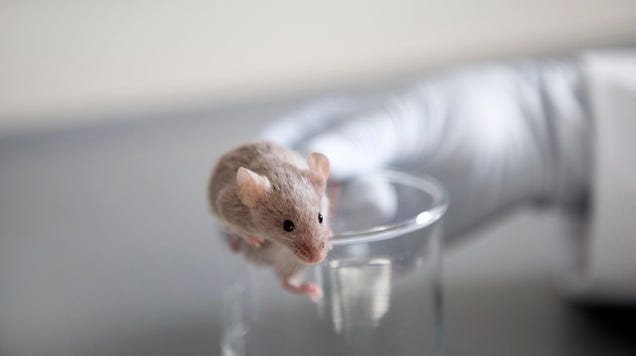
As part of the next phase of human spaceflight beyond Earth, one question remains when it comes to the exploration, and possible colonization, of another world: Can we have babies in space?