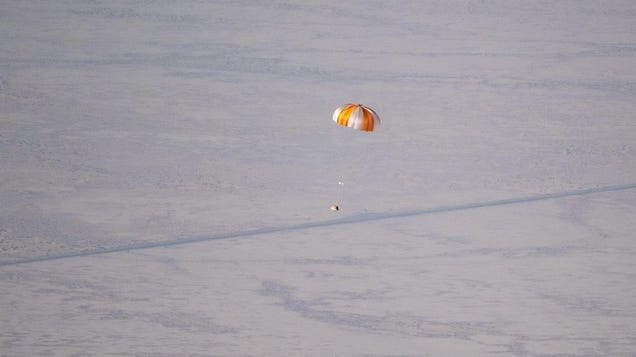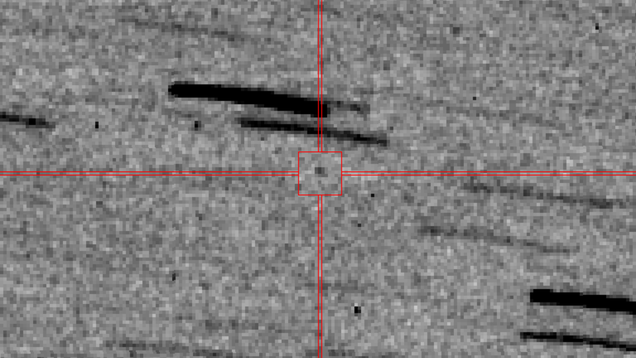

The OSIRIS-REx spacecraft is on its way to Earth to drop off rocky samples from asteroid Bennu on Sunday, marking NASA’s first attempt to retrieve a piece of a pure space rock.

The OSIRIS-REx spacecraft is on its way to Earth to drop off rocky samples from asteroid Bennu on Sunday, marking NASA’s first attempt to retrieve a piece of a pure space rock.

Life finds a way. It’s a cliché, but one borne of the inarguable perseverance of creatures in hostile conditions. The images that follow—part of this year’s Nature TTL Photographer of the Year competition—showcase life’s indomitable nature, as well as some of the remarkable environments that foster it.

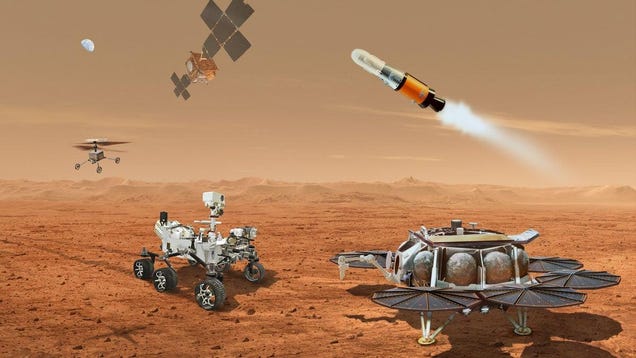
The findings from an independent review board suggest that NASA’s quest to return samples from Mars is riddled with challenges and seemingly impossible to accomplish under the current cost and schedule expectations.

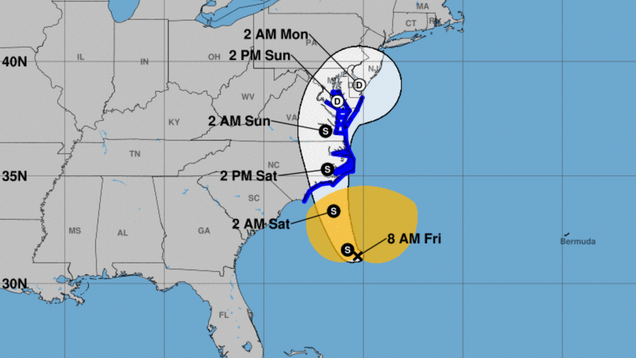
National forecasters are keeping an eye on a storm system brewing just off the coast of the Carolinas that is likely to move up to some states in the Northeast this weekend, according to the National Hurricane Center.

The Webb Space Telescope has made its latest significant discovery: the observation of carbon dioxide coming from a part of Europa, the frozen moon orbiting Jupiter which harbors a salty water ocean under its icy surface.

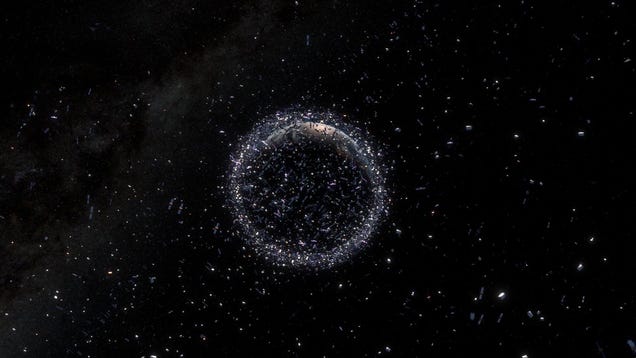
As more rockets liftoff into the skies, the Federal Aviation Administration (FAA) is trying to control how long those launch vehicles stay in orbit as floating space junk.

NASA’s $800 million OSIRIS-REx mission launched to space in September 2016 with a simple, albeit ambitious, objective: travel to a distant asteroid and bring back a sample of it.

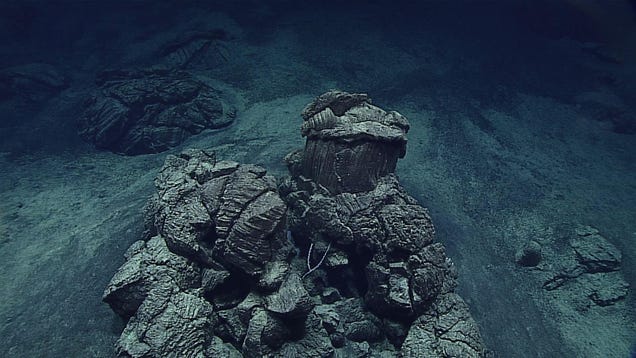
In new research this week, scientists say they’ve unearthed a viral denizen from the depths of the Mariana Trench. The virus is believed to be the deepest of its kind ever discovered and preys on certain bacteria.

The International Space Station (ISS) has been orbiting Earth for 24 years, hosting crews of astronauts and running experiments in the microgravity environment. By 2030, however, the space station’s reign in low Earth orbit must come to an end and NASA is figuring out exactly how to do that.