In a new assessment of several major social media platforms, X, formerly known as Twitter, came in dead last in managing climate misinformation.

In a new assessment of several major social media platforms, X, formerly known as Twitter, came in dead last in managing climate misinformation.

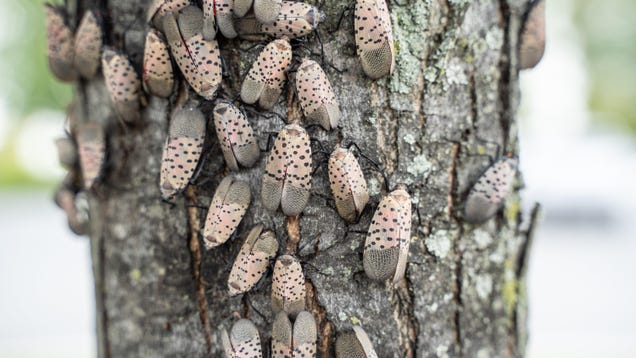
Everyone’s favorite squishable pest—the spotted lanternfly—might be less of a nuisance than we thought, new research suggests. The four-year-long study found that the insects caused little to no long-term damage to a variety of different tree species. The authors say the invasive bugs should still be carefully managed…

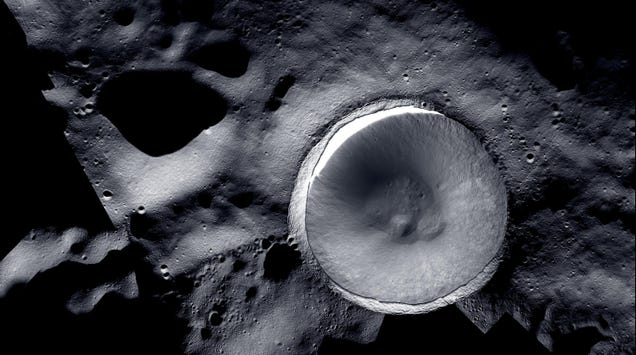
NASA released a new mosaic of an impact crater that perpetually lies in the shadows of the lunar south pole.

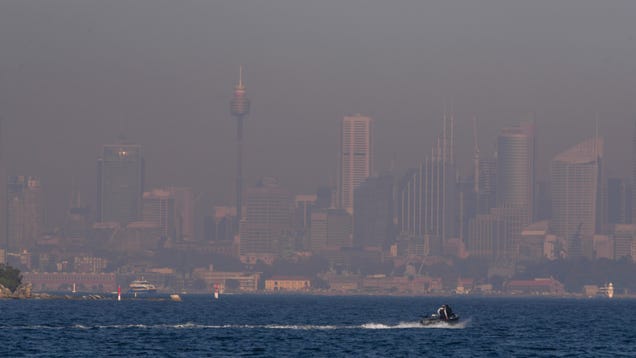
Australian authorities declared the arrival of El Niño, amid dangerous heat waves that are raising the country’s risk of widespread bushfires.

H&M has joined a growing list of retail stores that have begun charging customers to return their online purchases by taking the cost out of their total refund. The retailer started testing charging for returned items in September of last year in the U.S. but has now branched out to the UK with other local stores…

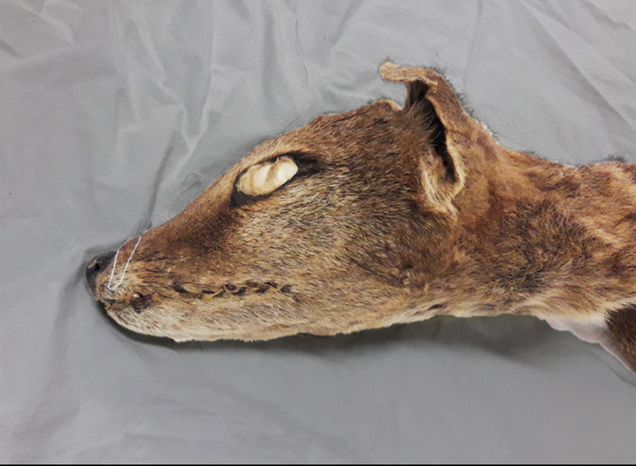
The last known thylacine—the largest marsupial carnivore in recent times—died in Tasmania’s Beaumaris Zoo in 1936.

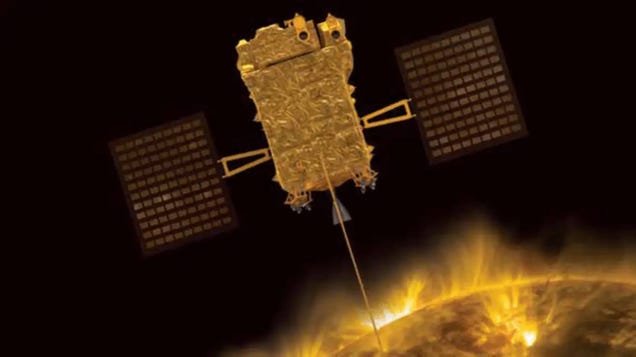
In a little over two weeks since its launch, India’s Aditya-L1 mission started collecting data to help analyze the behavior of particles that surround Earth.

The covid19 pandemic in 2020 ushered in a new era of working. Office spaces and other indoor collective areas had to shut down as the world attempted to slow down the spread of the coronavirus. Workers did their duties remotely from home offices. And though the initial transition was challenging for some workers, the…

SpaceX’s plans for a second launch of its Starship megarocket could face new delays, as the U.S. Fish and Wildlife Service (FWS) launches a review of environmental impacts and potential threats to endangered species in the Boca Chica region.

NASA’s Parker Solar Probe flew through an ejection of coronal material as it passed by the Sun in September 2022, giving researchers new data to understand how the Sun’s superheated plasma interacts with the surrounding interplanetary dust.