
AP
Any images that are produced by giving a text prompt to current generative AI models, such as Midjourney or Stable Diffusion, cannot be copyrighted in the US.
The UK has become the latest major jurisdiction to ban TikTok from government devices. The measure is in place with immediate effect following a security review ordered by ministers. The move is part of broader restrictions on third-party apps on government devices.
Last year, cybercriminals started using a novel tactic to pilfer subscriber data from social media companies: using stolen passwords purchased on the dark web, digital hoods would hack into police email accounts, then use their access
The Biden administration just made good on one of its promises to make EV charger funding available to local governments.
For the first time, the US government plans to regulate the presence of “forever chemicals” in drinking water. PFAS, or perfluoroalkyl and polyfluoroalkyl substances, are ubiquitous in the modern world. They’re found in many household items, including non-stick Teflon pans and dental floss, and can stay in water and soil for generations. What’s more, PFAS exposure has been linked to a whole host of health problems, including cancer, liver damage, asthma and developmental issues among children.
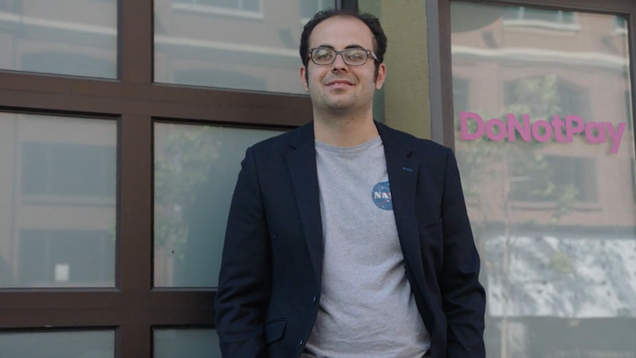
The startup behind the “world’s first robot lawyer,” DoNotPay, is gearing up for one of its first big court battles. And this time it probably can’t just back out of the case, as DoNotPay is the defendant.
Senators aren't giving up on a bill to safeguard your online data. Hawaii's Brian Schatz and 18 other senators have reintroduced the 2018-era Data Care Act to set higher standards for sensitive info.