
JPL/NASA
NASA/Robert Markowitz
NASA

NASA aims to set up a long-term human presence on the Moon, but maintaining a habitat on the surface will require some innovative infrastructure. To one day transport cargo across the dusty, cratered landscape, NASA is considering a magnetic levitation railway system.
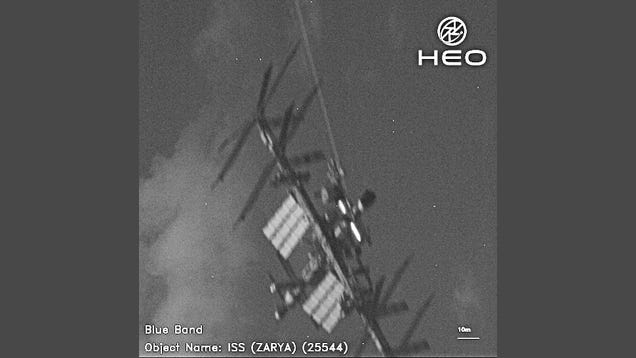
The International Space Station (ISS) was caught looking a little undignified in a new photo captured by an imaging satellite in orbit.
MARK GARLICK/SCIENCE PHOTO LIBRARY
In our top stories this week, reporter Passant Rabie describes in in-development rocket engine that NASA could eventually use to reach Mars in two months. Reporter Isaac Schultz details the severe geomagnetic storm warning and a new fusion breakthrough, while health reporter Ed Cara describes a previously unknown…
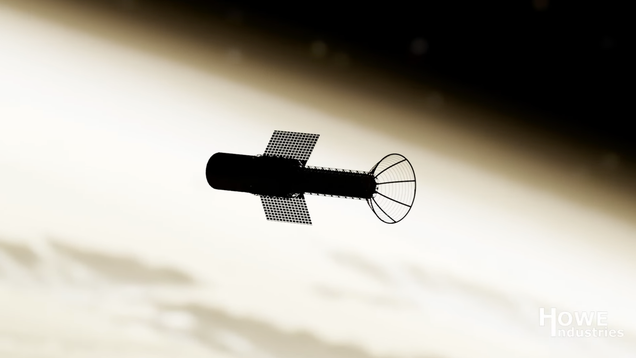
The future of space travel depends on our ability to reach celestial pit stops faster and more efficiently. As such, NASA is working with a technology development company on a new propulsion system that could drop off humans on Mars in a relatively speedy two months’ time rather than the current nine month journey…
I worked at SpaceX where Elon Musk was a cubicle away. At Elon's companies, it's add value or leave.
CHANDAN KHANNA/Getty Images
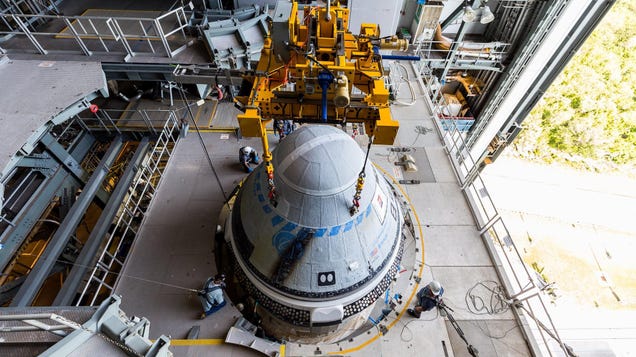
Update: May 7, 7:10 a.m. ET: In an emailed statement, ULA says it is now targeting a launch of Starliner for no earlier than Friday, May 10, saying the “team needs additional time to complete a full assessment.” The launch was scrubbed “due to an observation on a liquid oxygen self-regulating solenoid relief valve on…