
Astrobotic
Jin Liwang/Xinhua via Getty Images
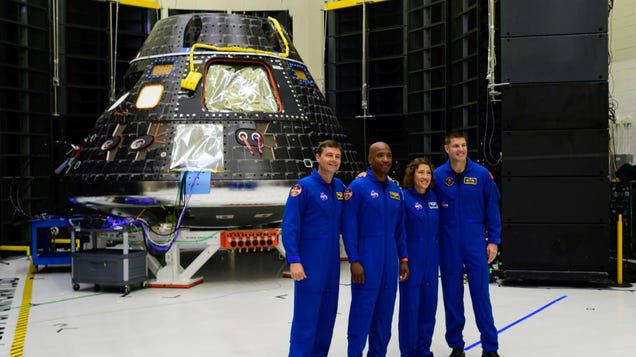
NASA is dealing with a host of safety and technical issues related to the spacecraft that will fly astronauts to the Moon, forcing it to postpone two Artemis missions as it tries to resolve a number of logistical challenges.
Cory Huston/NASA via AP
CHANDAN KHANNA/Getty Images
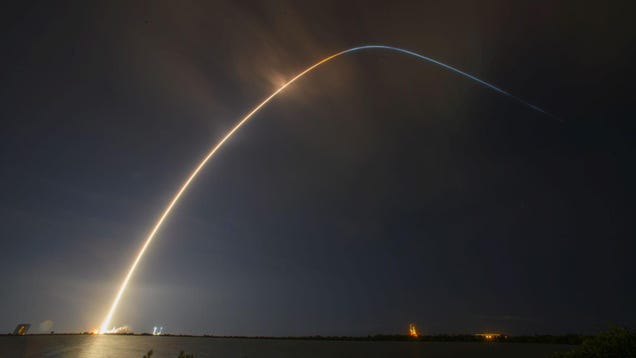
Astrobotic, the team behind the Peregrine spacecraft, is urgently working to extract any possible value from its failing mission. This comes after a catastrophic propellant leak occurred just after yesterday’s launch, ending the spacecraft’s attempt to land on the Moon.
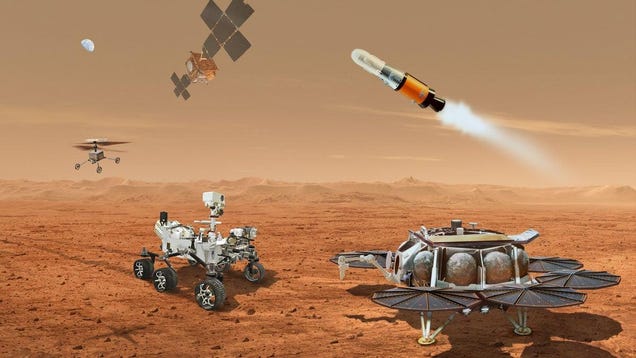
NASA is scaling back on its ambitious Mars Sample Return (MSR) program, fearing federal budget cuts to the space agency’s plan to bring back rock and dust from the Red Planet, which has come under heavy scrutiny for having unrealistic costs and timelines.

The United Arab Emirates (UAE) is contributing to the lunar outpost that will be built around the Moon, building the Gateway’s airlock module in a sign that the gulf country will be more involved in NASA’s Artemis program.
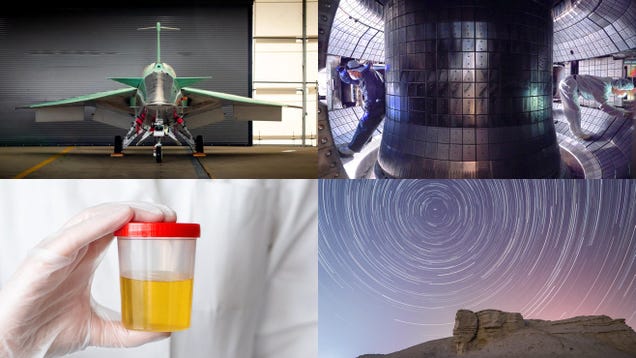
NASA’s supersonic experimental plane—the linchpin of the agency’s Quesst mission—is set to roll out of its warehouse in the California desert next week. We’re gassed for the big moment: the X-59 has been in development for six years, and, if successful, it will demonstrate supersonic flight without sonic booms. -…
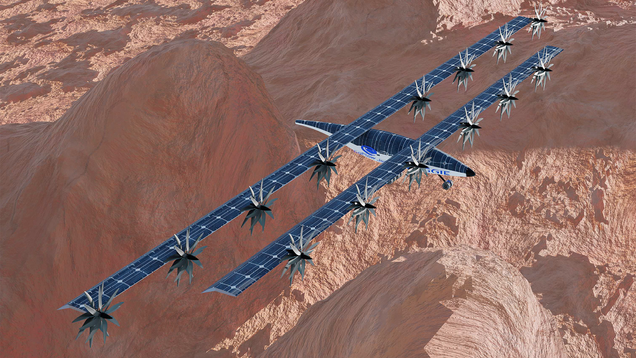
NASA, in its relentless pursuit of space innovation, announced on Thursday the selection of 13 new projects for its 2024 Phase I awards under the Innovative Advanced Concepts (NIAC) program. These awards, totaling up to $175,000 each, are granted to teams proposing advanced and unconventional space technologies.