
NASA's Goddard Space Flight Center

In the face of drug use allegations that could jeopardize million dollar contracts, NASA has come to Elon Musk’s defense, as the space agency waits on a SpaceX lunar lander for its Artemis missions.
Leon Neal, Chandan Khanna/Getty Images
Heritage Space/Heritage Images via Getty Images
CHANDAN KHANNA/Getty Images
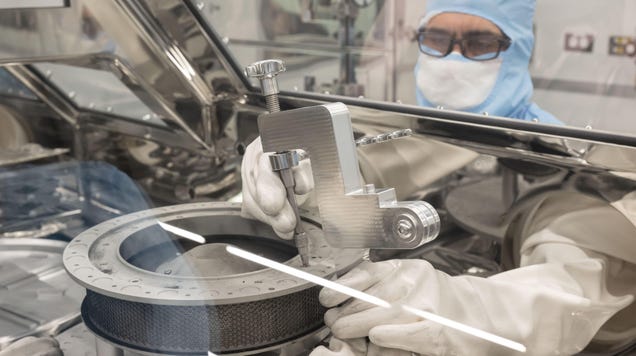
After months of fidgeting with a canister that contained rocky samples from an ancient asteroid, NASA engineers have finally removed two stubborn fasteners that appeared to be preventing the space agency from collecting the full amount of Bennu’s debris.
Astrobotic
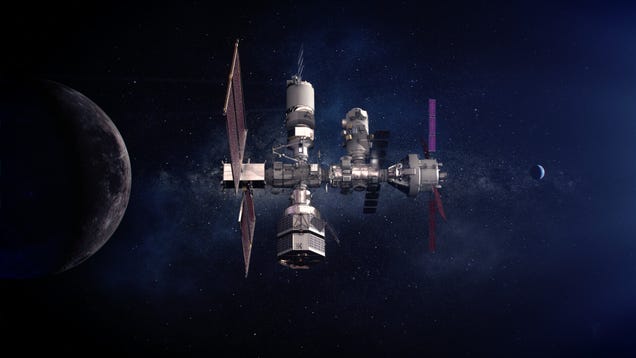
NASA, along with a suite of international and private partners, has big plans to build a small space station. Called Lunar Gateway, the proposed outpost will support missions at and around the Moon and provide a unique platform for conducting science. Here’s what you should know about the upcoming space station and…
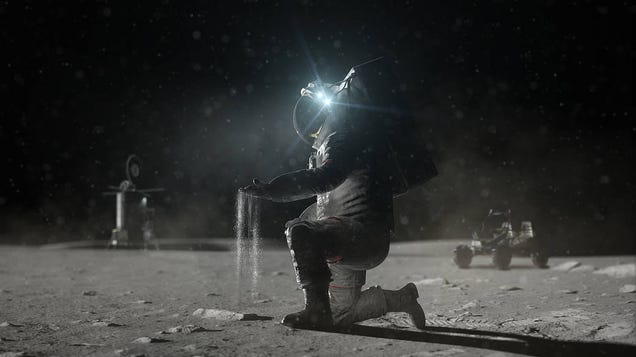
Not since 1972 has a human set foot on the Moon, but NASA is aiming to change that through its ambitious Artemis program. The lunar missions kicked off on November 16, 2022 with Artemis 1, and now the space agency is preparing its astronauts for bigger and bolder missions to the Moon.
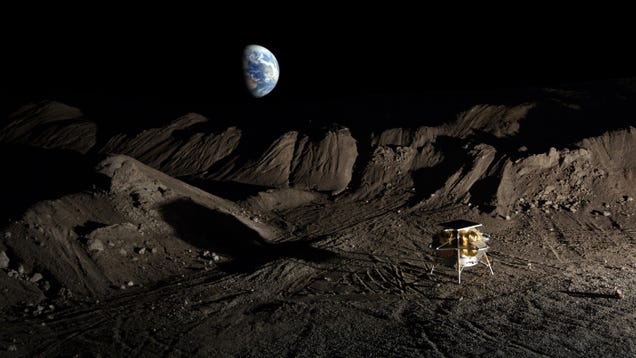
The dreaded announcement arrived yesterday in a tweet, with Astrobotic admitting that, as a result of a catastrophic propellant leak, there’s “no chance of a soft landing on the Moon.” Mission specialists are