
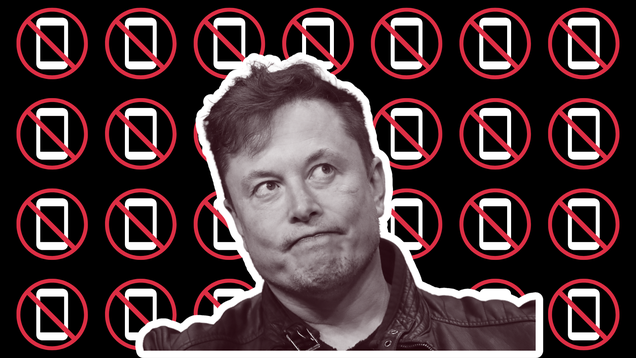
Elon Musk is still trying to make X audio and video calls happen, even though, like the infamous “fetch,” we all know it’s not going to happen. His latest tactic: Giving up his phone number and using X exclusively for calls and texts.
Elon Musk is still trying to make X audio and video calls happen, even though, like the infamous “fetch,” we all know it’s not going to happen. His latest tactic: Giving up his phone number and using X exclusively for calls and texts.

When you post something on Instagram or Facebook, you probably think you’re just sharing it with your friends, family, and maybe a few others. But that’s not all. Everything you’ve ever posted is being used to train Meta’s powerful AI.

Have you ever talked about a product, and then suddenly got an ad for it on your phone? We’ve all been there, and then skeptically looked over our shoulders for the advertiser lurking in the shadow. But there’s no one there, so we all simply conclude that our phone must be listening to our conversations. You wouldn’t…

Elon Musk’s X halted searches for Taylor Swift this weekend after AI-generated, sexually explicit photos of the international pop superstar went viral on the platform.

If you spend a significant amount of time on YouTube, you’ll want to make the most of that time—whether it’s the choice of videos you get recommended or the quality of those videos when they start playing. There are actually lots of different ways you can tweak YouTube, both in the apps and on the web, to improve your…

On Wednesday, New York City Mayor Eric Adams announced the Big Apple would be the first city to officially classify social media as a public health risk. Social media is an “environmental toxin,” Adams said in a speech, comparing the problem to guns and tobacco. The mayor then promptly went on—where else—social media…
Meta no longer allows teenagers to receive direct messages from anyone they’re not following on Instagram, or friends with on Facebook, according to a company blog post on Thursday.
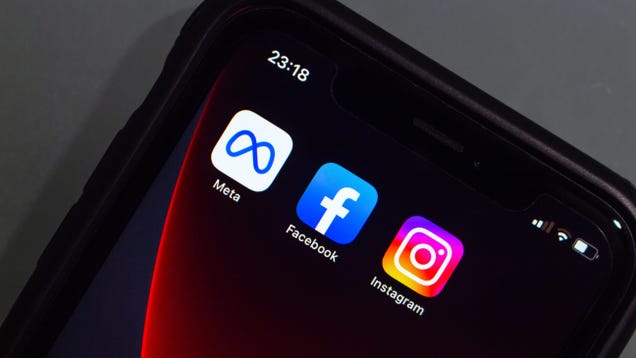
Critics say that Meta has often caused serious psychological harm to younger users by exposing them to a variety of toxic and inappropriate content.

When Tim Berners-Lee invented the World Wide Web back in 1989, he probably didn’t imagine that his new system would be the repository for all of humanity’s worst impulses, but here we are.
Facebook recently rolled out a new “Link History” setting that creates a special repository of all the links you click on in the Facebook mobile app. You can opt out if you’re proactive, but the company is pushing Link History on users, and the data is used for targeted ads. As lawmakers introduce tech regulations and…