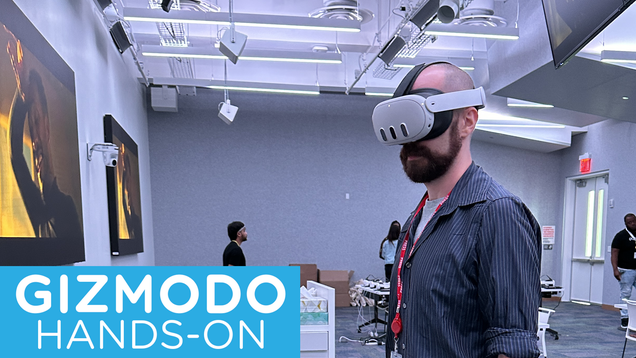
The Meta Quest 3 hasn’t enjoyed much time in the spotlight this year, and that probably won’t change with the headset’s most recent hardware and app updates.
The Meta Quest 3 hasn’t enjoyed much time in the spotlight this year, and that probably won’t change with the headset’s most recent hardware and app updates.
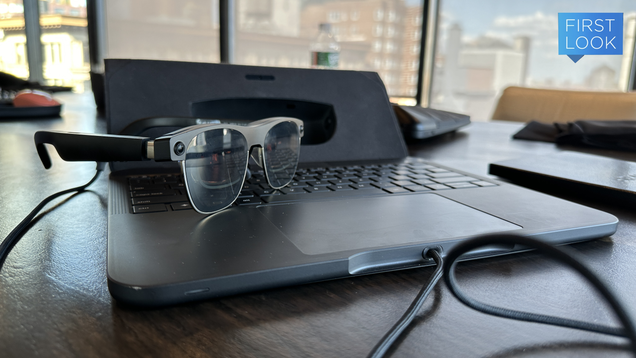
The problem with the term “spatial computer” is that most devices using the obtuse marketing term don’t actually look like computers.
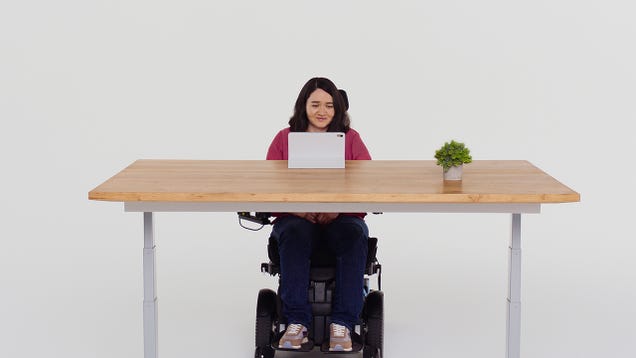
Today, Apple announced a host of new accessibility features, such as eye tracking and vocal shortcuts, that should arrive on iPhones, iPads, and Apple Vision Pros later this year.
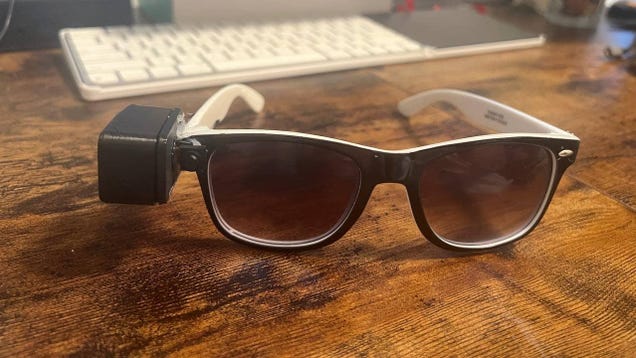
What started as a 24-hour hackathon project last weekend could empower the open-source community to upend the smart glasses industry. Five team members built a $20 pair of smart glasses, dubbed Open Glass, that connects what you see and hear to an AI chatbot, such as Meta’s Llama 3.
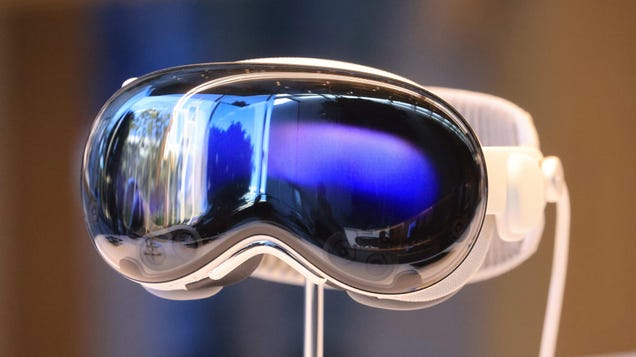
Many of us have moved on from the Vision Pro less than three months after its buzzy launch, but Apple can not.
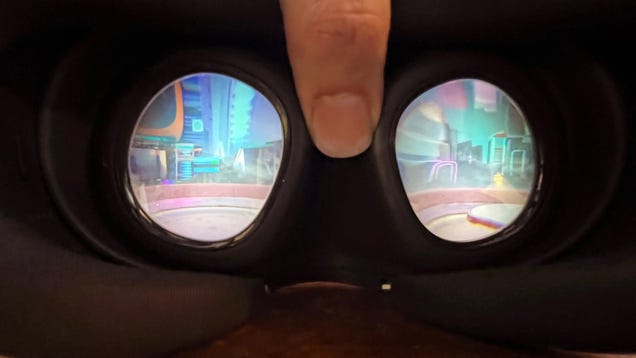
Meta’s metaverse dreams might actually blossom a bit this spring as it’s finally done trying to hole itself in its own walled garden filled with its Meta Quest 3 headsets.
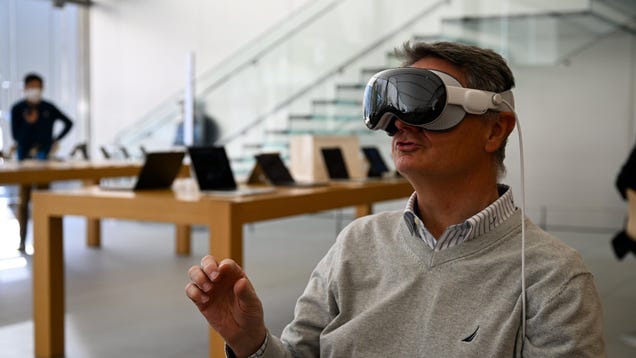
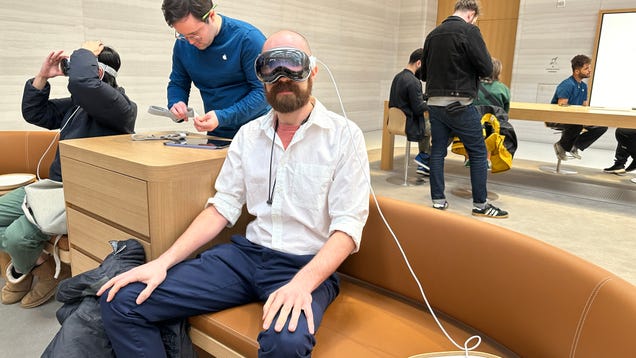
Apple’s Vision Pro debuted just two months ago, drawing crowds of people to sign up for demos and almost immediately selling out.
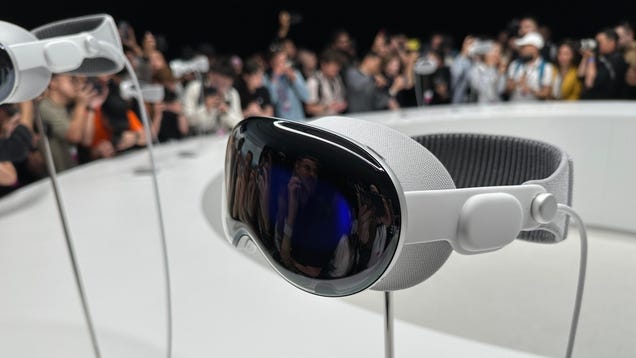
Apple’s Vision Pro is set to make landfall from the company’s Cupertino spaceship headquarters Friday. Still, those who got to spend time with it early could finally break their silence Tuesday morning.
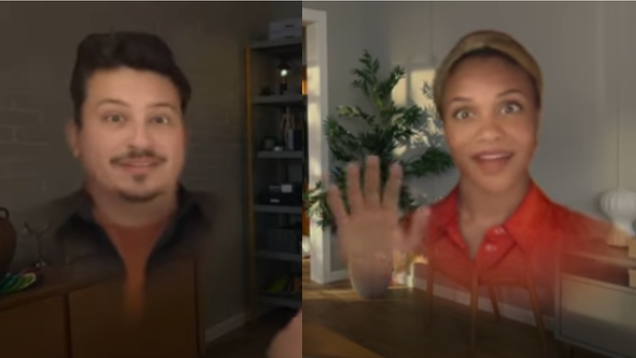
The Apple Vision Pro’s Spatial Personas, avatars designed to replicate a user’s facial expressions and hand gestures, have been set loose. The avatars can now roam freely in your virtual space, allowing them to look at, point to, and interact with, various apps over SharePlay. It’s part of Apple’s effort to make…