
Vlad Tenev/Justin Sullivan/Kevin Dietsch/Peter Dazeley/Getty Images
Kilito Chan/Getty Images
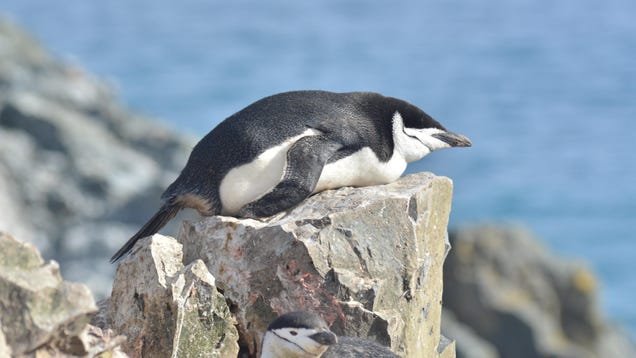
In what either sounds like a blissful cruise through life or hell on Earth, nesting chinstrap penguins apparently take thousands of naps per day, in order to get enough sleep while remaining alert to threats.
Cavan Images/Getty Images
Alex Wong/Getty Images
leonovo/Getty Images
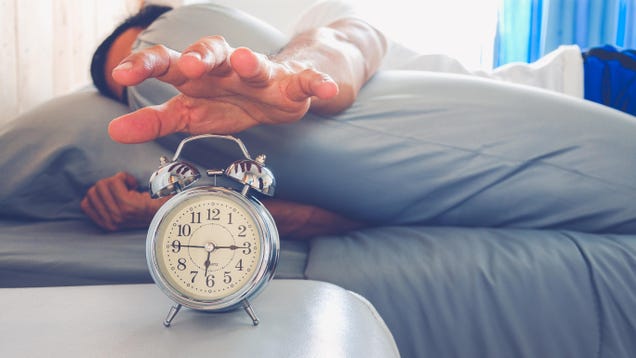
Hitting the snooze button on your wake-up alarm might just be fine, new research out this week suggests. In a pair of studies, scientists found evidence that a majority of people regularly hit snooze and that the habit doesn’t seem to noticeably harm our sleep. It could even help make some people more alert in the…
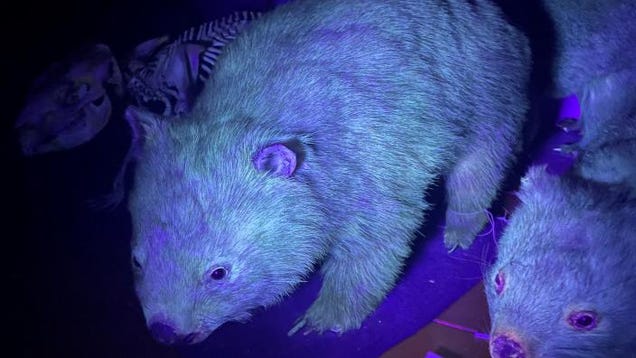
Move over monotremes and the range of rodents known to glow: over one hundred other furry creatures do, too, new research shows, vastly increasing the number of mammals known to show the spooky trait.
TikTok user @JapanOnTikTok, YouTuber CDawgVA, and TikTok user @tombotravelsjapan
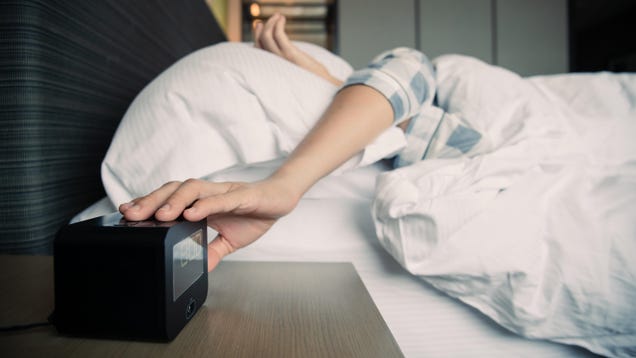
Being a night owl might not be great for your blood sugar control, new research this week suggests. The study found that middle-aged women who prefer to stay up late were more likely to develop type 2 diabetes. This associated link was found even after the researchers accounted for other unhealthy behaviors more…